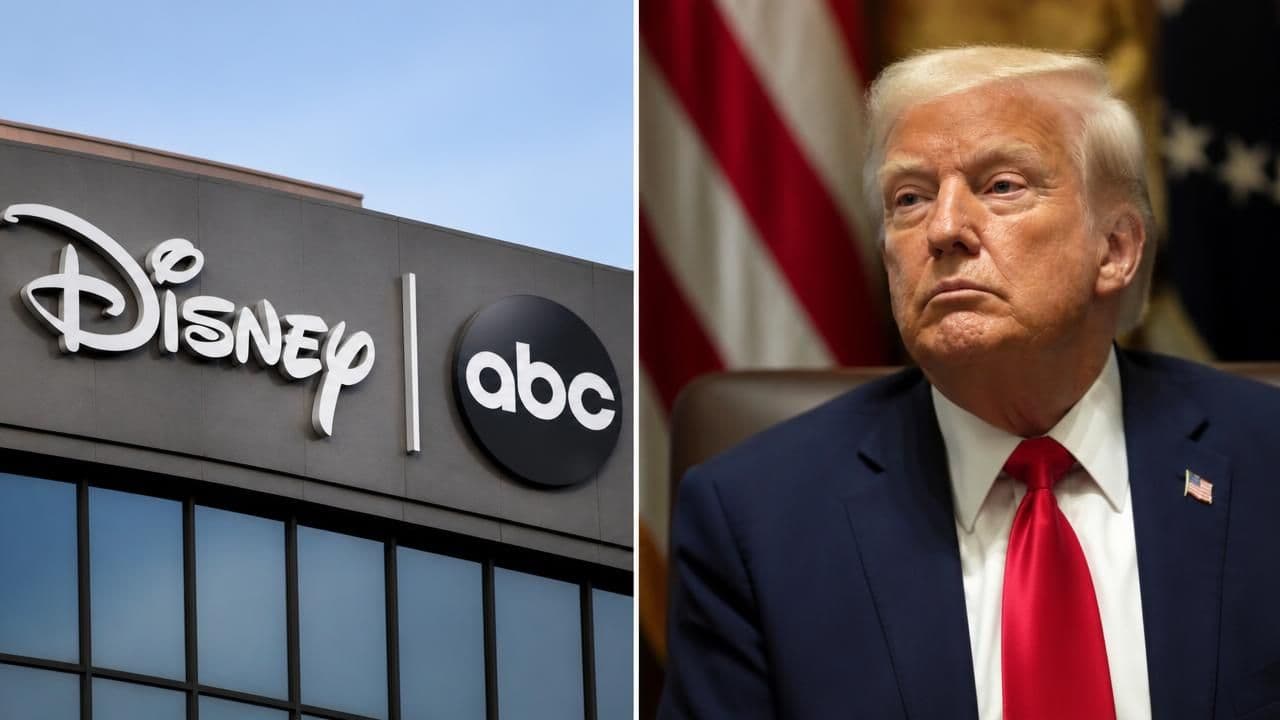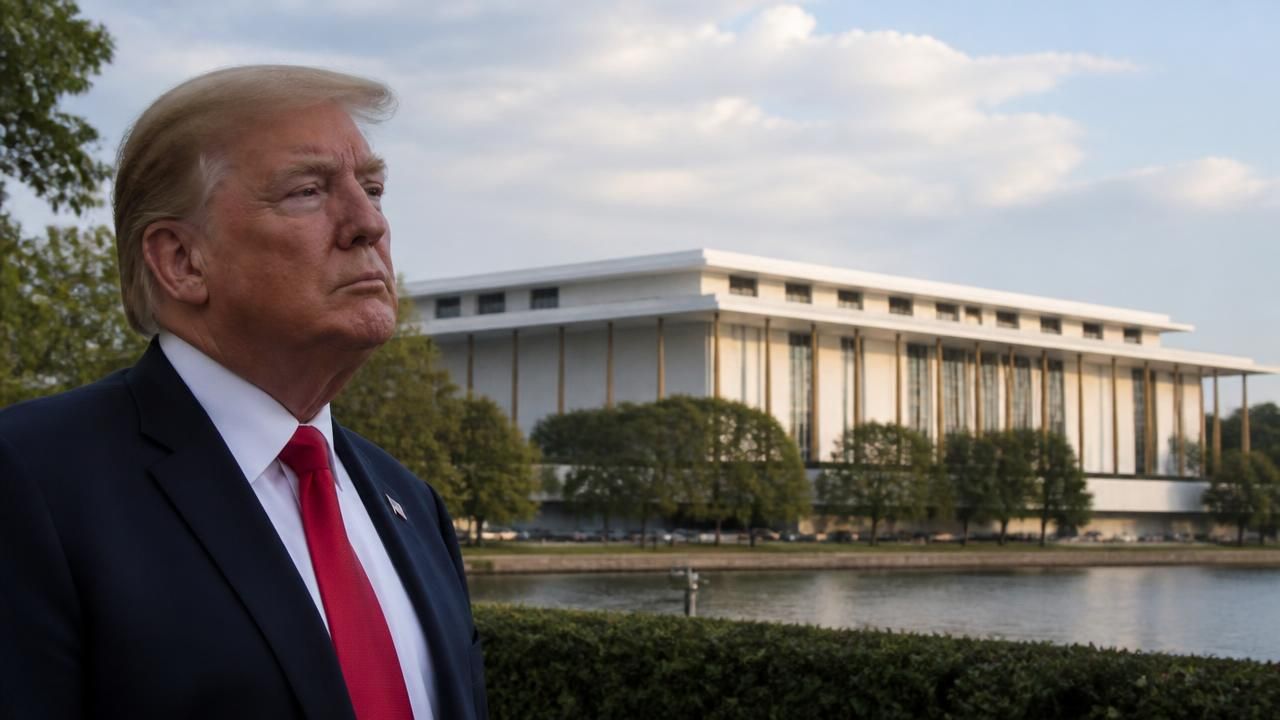
In an era when President Donald Trump’s name adorns hotels, steaks, and even the stimulus checks sent to millions of Americans, a new NPR Politics analysis reveals that his push to attach his brand to the John F. Kennedy Center for the Performing Arts and other public sites is a sharp break from centuries of presidential tradition. The story, republished by Boise State Public Radio, examines the remarkably short history of sitting presidents naming things after themselves—and finds that it is almost nonexistent.
While Trump pushes to get his name on the Kennedy Center and other public sites, history shows that sitting presidents have almost always avoided putting their brands on government assets. That is the central finding of the NPR report, which notes that presidents have generally waited until after they leave office—or until after their deaths—to be honored on federal buildings, monuments, and programs.
“While Trump pushes to get his name on the Kennedy Center and other public sites, history shows that sitting presidents have almost always avoided putting their brands on government assets.”
A Tradition of Posthumous Honors
The American landscape is dotted with memorials to presidents, but almost none were named by the presidents themselves while in office. The Washington Monument, completed in 1884, honors George Washington 85 years after his death. The Lincoln Memorial opened in 1922, 57 years after Abraham Lincoln’s assassination. The Jefferson Memorial was dedicated in 1943, nearly two centuries after Thomas Jefferson’s birth. The Franklin Delano Roosevelt Memorial was dedicated in 1997, more than five decades after his death.
Even more recent presidents have followed the pattern. The John F. Kennedy Center for the Performing Arts was named by Congress in 1964, a year after Kennedy’s assassination. Ronald Reagan Washington National Airport was renamed in 1998, nearly a decade after Reagan left office. The George H.W. Bush Center for Intelligence at CIA headquarters was dedicated in 1999, six years after Bush’s presidency ended. Presidential libraries—from Herbert Hoover’s to Barack Obama’s—are built after presidents leave the White House, often with private funds and federal archives support.
Trump’s Branding Instinct
Trump, a former real estate developer whose name is synonymous with his business empire, has approached the presidency differently. In 2020, his administration required that his signature appear on paper stimulus checks sent to Americans—an unprecedented move that blurred the line between official government business and personal branding. He has mused about adding his face to Mount Rushmore, suggested naming a COVID-19 vaccine after himself, and reportedly pushed for his name to be added to the Kennedy Center.
The Kennedy Center, a living memorial to President Kennedy, is a public-private partnership that receives federal funding and is governed by a board largely appointed by the president. Changing its name would require an act of Congress. The effort drew bipartisan criticism, with historians and cultural leaders noting that the center’s name is a tribute to a president who was killed in office, not a vehicle for a sitting president’s ego.
Why Sitting Presidents Avoid Self-Naming
The reluctance of presidents to name things after themselves is rooted in American political culture. The founders rejected titles of nobility and monarchical trappings, and the young republic was wary of anything resembling a cult of personality. George Washington, despite his immense popularity, famously refused a crown and stepped down after two terms. That spirit of republican humility has largely persisted, even as presidents have expanded their powers.
There are also practical and political reasons. Federal buildings are named by Congress, and proposals to honor a sitting president can become partisan flashpoints. Presidents typically want to avoid appearing vain or self-serving, and they know that history’s judgment is more important than immediate recognition. As the NPR report notes, “sitting presidents have almost always avoided putting their brands on government assets.”
The Broader Context
The story arrives amid a broader debate over presidential norms. The Wikinews items in the same feed—one on the July 2020 campaign trail and one on Shimon Peres—were unrelated to this story and contained only technical access notices, underscoring that the main news is the NPR analysis. Still, the timing is telling: in an election year, Trump’s penchant for self-promotion was colliding with established traditions of presidential restraint.
Some defenders of Trump argue that he is simply more transparent about his desire for recognition, and that all presidents care about their legacy. They point out that presidents have long used their offices to shape their historical image, from commissioning portraits to establishing libraries. But critics counter that there is a difference between post-presidential honors and a sitting president using government resources to elevate his personal brand.
Implications for the Future
If Trump were to succeed in naming public sites after himself while in office, it could set a precedent that future presidents might follow, further politicizing federal buildings and monuments. It could also erode the sense that government assets belong to the public, not to the individual who temporarily occupies the White House. The Kennedy Center, named for a president who inspired a generation before his assassination, remains a symbol of bipartisan cultural heritage. Whether Trump’s name joins those of Washington, Lincoln, and Kennedy on public monuments will depend not on his wishes, but on Congress, the courts, and ultimately the judgment of history.
For now, the NPR Politics report serves as a reminder that American presidents have rarely sought to etch their names into the nation’s public architecture while still in office. Trump’s push to do so may be his most audacious branding effort yet—but it runs against a deep current of presidential tradition that predates the republic itself.