For decades, the guiding logic of diabetes care has been simple and seductive: the tighter the glucose control, the better the outcome. A new study, however, suggests that the pursuit of near-perfect blood sugar may carry a cost that rarely shows up on a lab report — the quiet erosion of daily well-being.
The research, reported by Science Daily and echoed in coverage by Knowridge, found that people with diabetes reported better quality of life on the days their glucose stayed largely within a healthy range — but the benefit appeared even on days when their readings fluctuated more than usual. In other words, it was time spent in a good zone, not robotic consistency, that tracked with how people said they felt.
An unexpected — and slightly counterintuitive — result
The finding cuts against a familiar assumption in clinical practice. Patients are routinely urged to flatten their glucose curves, avoiding spikes and crashes at almost any cost. Yet the data suggest that chasing that flatness can impose a hidden lifestyle burden: rigid meal schedules, constant monitoring, and the anxiety of treating every deviation as a failure.
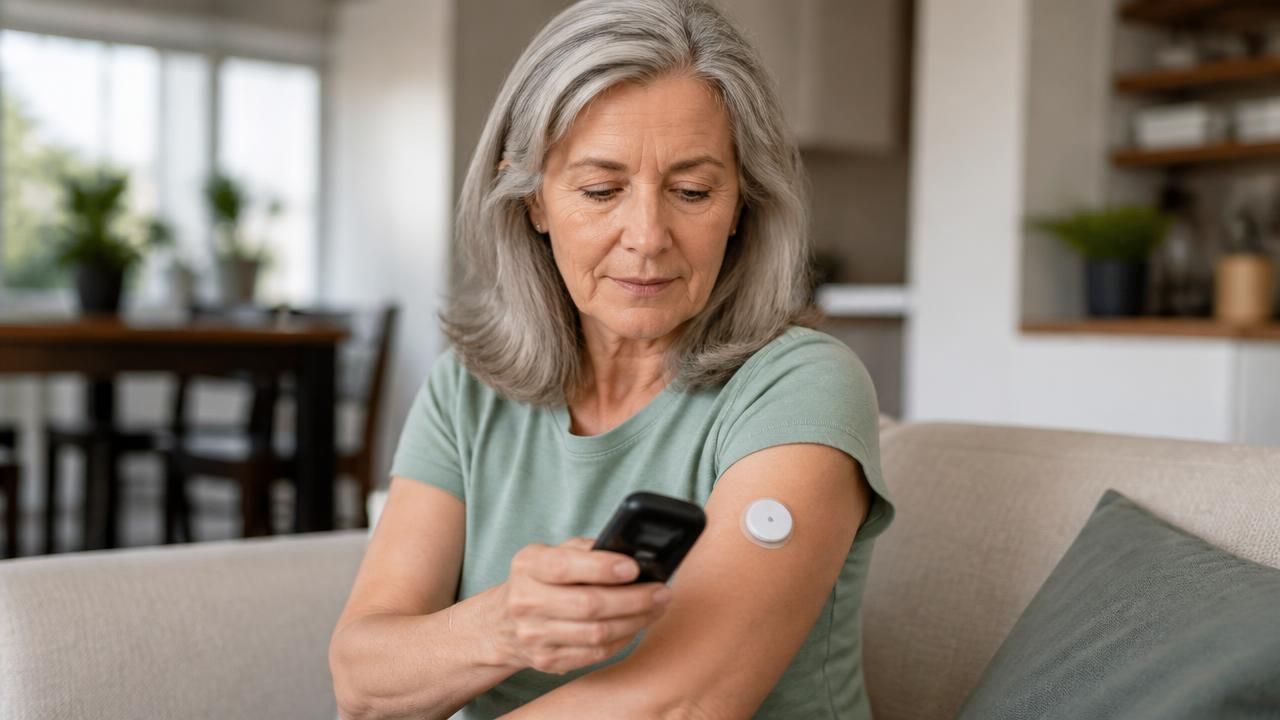
People with diabetes reported better quality of life after days when their glucose stayed largely within a healthy range, even when levels fluctuated more than usual. The unexpected finding suggests that pursuing extremely tight glucose control may sometimes come with a hidden lifestyle burden.
That distinction matters because modern diabetes management has shifted its vocabulary. Clinicians increasingly talk about time in range — the percentage of a day a person's glucose sits within a target window, generally about 70 to 180 mg/dL — rather than relying on a single averaged number like HbA1c. Continuous glucose monitors have made that metric visible hour by hour, turning blood sugar into a running scorecard. The new study hints that the scorecard can become a source of stress as easily as a source of motivation.
How the outlets frame it
Each outlet approached the story from a different angle, and the differences are revealing.
- Science Daily led with the quality-of-life paradox: better days when glucose stayed in range, but no penalty for fluctuation, plus a warning about the burden of extreme control.
- Knowridge framed it more bluntly as a well-being story — strict blood sugar control may affect daily life, not just clinical markers.
- health.com approached the same territory from the practical side, asking when to snack for better blood sugar control.
- msn.com highlighted dietary prevention, pointing to a specific vegetable that may lower diabetes risk and help steady glucose.
Taken together, the coverage sketches a broader shift in diabetes science: away from a single-minded focus on numbers and toward the lived experience of managing a chronic condition every waking hour.
The practical side: snacking and vegetables
The diet-focused coverage complements the clinical findings. The health.com piece on snack timing reflects a growing body of nutrition research suggesting that when you eat can matter nearly as much as what you eat. Late-night snacking, in particular, has been associated with poorer glucose responses, likely because the body's insulin sensitivity dips in the evening. Earlier-in-the-day snacks — especially those pairing carbohydrates with protein, fat, or fiber — tend to produce gentler glucose curves.
The MSN item adds another lever: vegetables. Certain vegetables, particularly leafy greens and cruciferous options like broccoli and spinach, have been linked in observational studies to lower type 2 diabetes risk and steadier post-meal glucose. The mechanism is plausible — fiber slows digestion, and plant compounds may improve insulin sensitivity — though researchers caution that observational links are not proof of cause and effect.
Why this matters
Roughly 38 million Americans live with diabetes, and more than 90 percent of cases are type 2. The stakes of getting management right — clinically and psychologically — are enormous. Diabetes distress, the emotional toll of relentless self-management, is already recognized as a driver of burnout and poorer outcomes.
The implication of the new research is not that control is unimportant. It is that the target should be sustainable. A person who hits a perfect glucose curve by abandoning spontaneity, sleep, and social meals may gain a number and lose something harder to measure.
Researchers quoted in the coverage suggest the goal is a balanced zone: enough stability to protect against complications, enough flexibility to preserve quality of life. For patients and clinicians alike, the takeaway may be to treat the glucose graph as a guide rather than a grade — and to remember that the person reading it has a life beyond the screen.