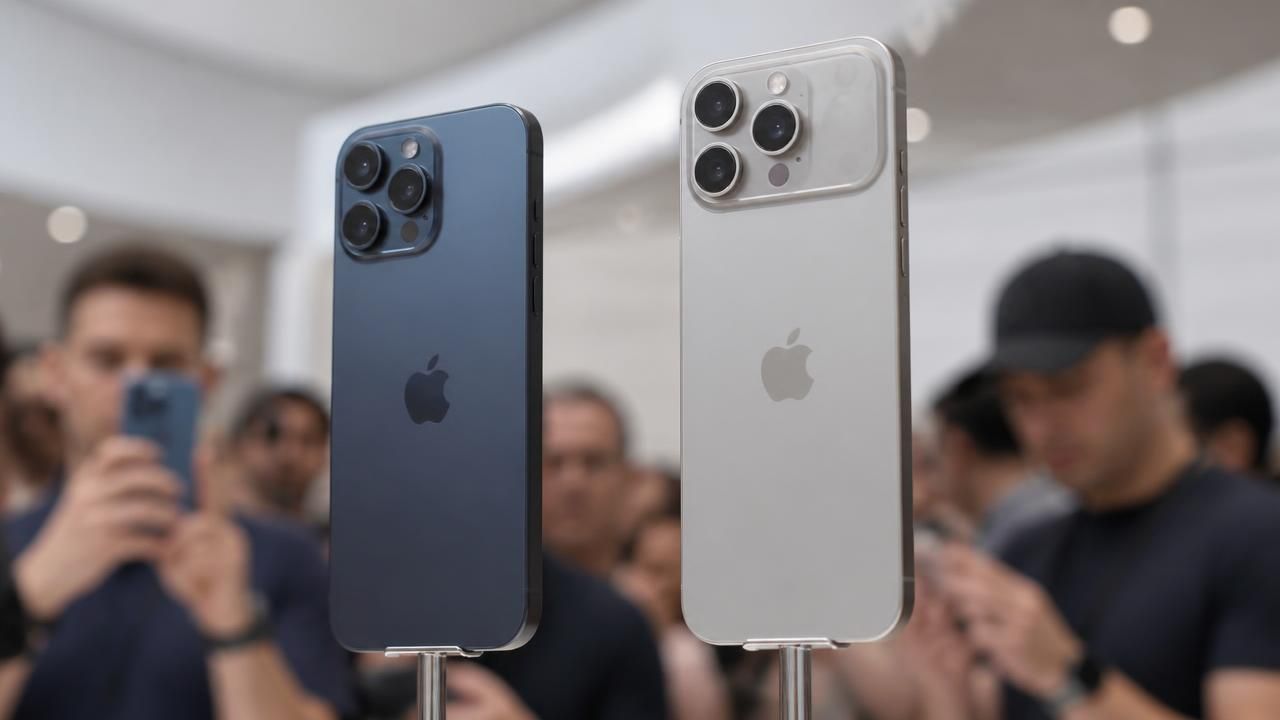
Apple's fall 2026 hardware blitz has produced a review cycle unlike any in recent memory. At the company's September event, executives unveiled the iPhone 18 Pro and iPhone 18 Pro Max alongside the long-rumored folding iPhone Duo and a fresh slate of on-device AI features. Reviewers who have spent the past week with the Pro models largely agree on the verdict: these are excellent phones. They also agree, somewhat awkwardly for Apple, that they may not be the phones everyone is talking about.
Ars Technica captured the tension in its headline, calling the iPhone 18 Pro "Apple's coolest smartphone (but only literally)"—a pun on dramatically improved thermals that double as a compliment. Macworld was blunter, dubbing it "the best kind of boring." Both framings point to the same reality: this is a refinement release, executed with unusual competence.
What's actually new
Externally, little has changed from the iPhone 17 Pro. Apple has kept the chassis language and Pro finishes largely intact, adding what one UK reviewer described as "posh colours." The meaningful work happened inside.
- A 2nm chip. Leaks ahead of launch, reported by Geeky Gadgets, flagged Apple's move to an ultra-efficient 2-nanometer process. Reviews confirm the payoff: Ars Technica notes "a new chip, better battery life, and much-improved thermals."
- Variable aperture. The headline camera addition gives photographers granular control over depth of field—a departure from Apple's historically "inflexibly opinionated computational photography," as Ars put it.
- Sustained performance. Better heat dissipation means the phone throttles less under load and, in Ars's phrasing, stays "cooler to the touch in many situations."
The camera becomes the story
Camera coverage dominates this cycle. MSN's review syndication crowned it "the best camera smartphone of 2026," while Mashable's hands-on focused squarely on "what's new with the cameras." WIRED framed its review around "camera fiends," and The Sun promoted a "stunning new camera trick" tested ahead of release.
For creators, the larger iPhone 18 Pro Max appears to be the tool of choice. The Economic Times described it as "built for creators, refined for everyone," suggesting Apple has finally balanced pro-grade capture with point-and-shoot simplicity. The variable aperture is the connective tissue: hobbyists can ignore it, professionals can exploit it.
Battery, thermals and the 'inside' argument
If the camera leads the conversation, endurance and heat management drive the recommendation. PCMag Australia called the iPhone 18 Pro "a powerful battery beast you can comfortably hold"—a phrase that nods to both longevity and ergonomics. Mashable's take on the Pro Max was even more direct: "it's what's on the inside that counts."
The thermals story is subtler than it sounds. Sustained performance matters more than peak benchmarks for anyone shooting 4K video, playing demanding games, or running on-device AI models—three workloads Apple is actively pushing. A cooler phone is, functionally, a faster phone over a long session.
"All the most important changes are under the hood: a new chip, better battery life, and much-improved thermals that both give the phone better sustained performance and make it cooler to the touch." — Ars Technica
Price and a reshuffled hierarchy
Perhaps the most consequential shift is structural. One MSN review observed that "Apple's flagship is no longer its most expensive phone"—the folding iPhone Duo now occupies the top of the pricing pyramid. That reframes the Pro from halo product to volume premium, which changes how buyers should weigh it.
That doesn't mean it's cheap. Macworld published a piece arguing that "your $1,500 iPhone 18 Pro Max doesn't need a case," an acknowledgment of how much the top-end Pro now costs—and a contentious claim about durability. Forbes, meanwhile, reported that "Apple Fights iPhone 18 Pro Price Rise With New Tools And Data Lock-In," suggesting the company is offsetting sticker shock with software value and ecosystem stickiness rather than absorbing higher component costs.
Price sensitivity is already creating a secondary market narrative. TechRepublic published "5 Best iPhone 18 Pro Alternatives Under $1,000 in 2026," a sign that the value conversation has moved downstream. Express's review—"another huge hit that some might want to miss"—encapsulates the dilemma: the phone is easy to admire, harder to justify if you own an iPhone 17 Pro.
The Duo eclipse and the AI question
CNBC's event coverage bundled the Duo, the iPhone 18 Pro, and "added AI features" into a single story, and that grouping is telling. The folding Duo is the design story; the Pro is the engineering story; AI is the connective promise across both. Forbes went furthest, publishing "How Apple's iPhone 18 Pro Will Change Smartphones Forever"—a maximalist take that sits uneasily beside the incrementalism most reviewers actually described.
That gap between hype and hands-on is the defining feature of this launch. Apple's Tim Cook era is drawing to a close, and Ars Technica notes we're seeing "more experimentation with the iPhone's design than we've seen in a long time"—but that experimentation lives in the Duo, not the Pro.
The bottom line
The iPhone 18 Pro is the safest recommendation Apple has shipped in years: faster, cooler, longer-lasting, with genuinely pro-grade camera control. Consumer Reports' verdict—that the phones are "predictably excellent"—may be the most accurate summary of all.
But "predictably excellent" cuts both ways. For upgraders from two or three generations back, this is an easy buy. For iPhone 17 Pro owners, the smarter move may be to wait—or to look at the folding phone that everyone, including Apple's own marketing, seems to be pointing toward.