James Copenhaver, one of three attendees shot during the July 2024 assassination attempt on Donald Trump at a campaign rally in Butler, Pennsylvania, has died in Pittsburgh, his attorney said Thursday. He was 76.
Copenhaver, who lived in Moon Township, Pennsylvania, was critically wounded in the attack on July 13, 2024, when a 20-year-old gunman opened fire from the roof of a nearby building, striking the former president in the ear and hitting three spectators in the bleachers behind him. Copenhaver's death marks the second fatality connected to the shooting, more than a year after the rally and following a long period of treatment and rehabilitation.
His attorney, Joseph Feldman, confirmed the death and said Copenhaver had been suffering from complications related to the injuries he sustained that day. NPR, USA Today, The Guardian and other outlets reported the death Thursday, while a handful of outlets — including NTD and Red State — framed the news as coming "two years later," a characterization that does not align with the July 13, 2024 date of the shooting.
What happened in Butler
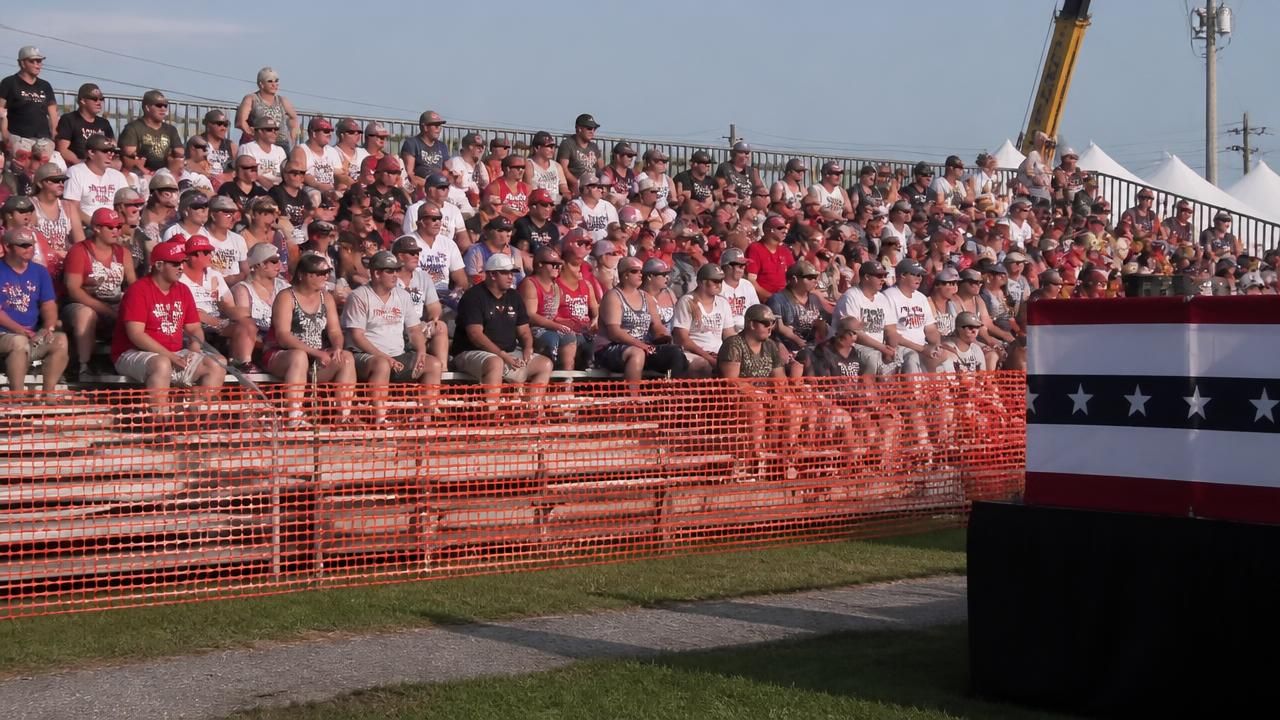
The rally at the Butler Farm Show grounds was a routine campaign stop that became one of the most scrutinized security failures in modern American history. Shortly after 6 p.m., Thomas Matthew Crooks, of Bethel Park, Pennsylvania, fired eight rounds from the roof of the AGR International building roughly 150 yards from the stage.
An unarmed counter-sniper team was inside the building. Local law enforcement officers had flagged Crooks as suspicious more than an hour before the shooting. A Secret Service counter-sniper ultimately killed him. In the aftermath, Secret Service Director Kimberly Cheatle resigned, the agency's chief of the Pittsburgh field office and several other personnel were placed on leave, and multiple investigations were launched by the FBI, the Senate Homeland Security Committee and a bipartisan House task force.
The victims
- Corey Comperatore, 50, a former fire chief from Buffalo Township, was killed while shielding his wife and daughters. He was the first fatality.
- David Dutch, 57, of New Kensington, was shot in the chest and liver and survived after surgery.
- James Copenhaver, 76, was shot in the arm and torso while standing in the west bleachers alongside Dutch. He was hospitalized at Allegheny General Hospital in Pittsburgh.
Copenhaver was a familiar figure in his western Pennsylvania community and a longtime supporter of the former president. In interviews after the shooting, he recalled hearing the shots and seeing the chaos unfold around him, and he described the physical recovery as slow and painful.
"Mr. Copenhaver died of complications from the injuries he sustained that day," his attorney, Joseph Feldman, said in confirming the death.
A widening reckoning
A bipartisan Senate report released the following year concluded that the security failures that day were "foreseeable, preventable, and directly related to the specific security failures" of the Secret Service and other agencies. The report described a cascade of communication breakdowns, an unclear chain of command and a failure to treat the AGR building as a threat vector.
In October 2024, Copenhaver and Dutch filed a federal lawsuit against the Secret Service, the FBI, the Department of Justice and local law enforcement, alleging negligence and seeking damages. The suit argued that the agencies had ample warning the roof was a security risk and failed to act. Copenhaver was the sharper critic of the two, telling interviewers that he had spotted the shooter and tried to alert authorities before the first shot was fired.
The case has proceeded slowly, and Copenhaver's death may now reshape it: his family could pursue a wrongful-death claim in his place, though no such filing has been announced.
How the story is being framed
The coverage splits along familiar lines. Outlets such as NPR and The Guardian emphasized the assassination attempt against Trump and the institutional failures that enabled it, describing Copenhaver as a survivor whose injuries ultimately proved fatal. Conservative-leaning outlets, including OAN and Red State, foregrounded the human cost to rallygoers and the years-long toll on the victims and their families, while NTD's framing — "Dies 2 Years Later" — offered a chronology that is at odds with the calendar of the attack itself.
The distinction matters, because much of the political debate over the rally has centered on whether or not the shooting has been adequately investigated and whether the accountability process has stalled. Copenhaver's death is now likely to be cited by both critics of the Secret Service, who argue the failures continue to have consequences, and by victims' advocates who say the government has yet to fully explain what went wrong.
Trump, who was wounded in the ear and was rushed off stage by Secret Service agents, later visited the hospital where victims were treated and appeared at the Republican National Convention days after the shooting with a bandage on his ear. A GoFundMe established for the victims raised millions of dollars and was distributed among the families.
For the community of Butler and the small circle of families drawn into national attention by a single afternoon, Copenhaver's death closes one chapter while leaving the larger questions — about security, accountability and the cost of political violence in America — as unresolved as they were the day the shots rang out.