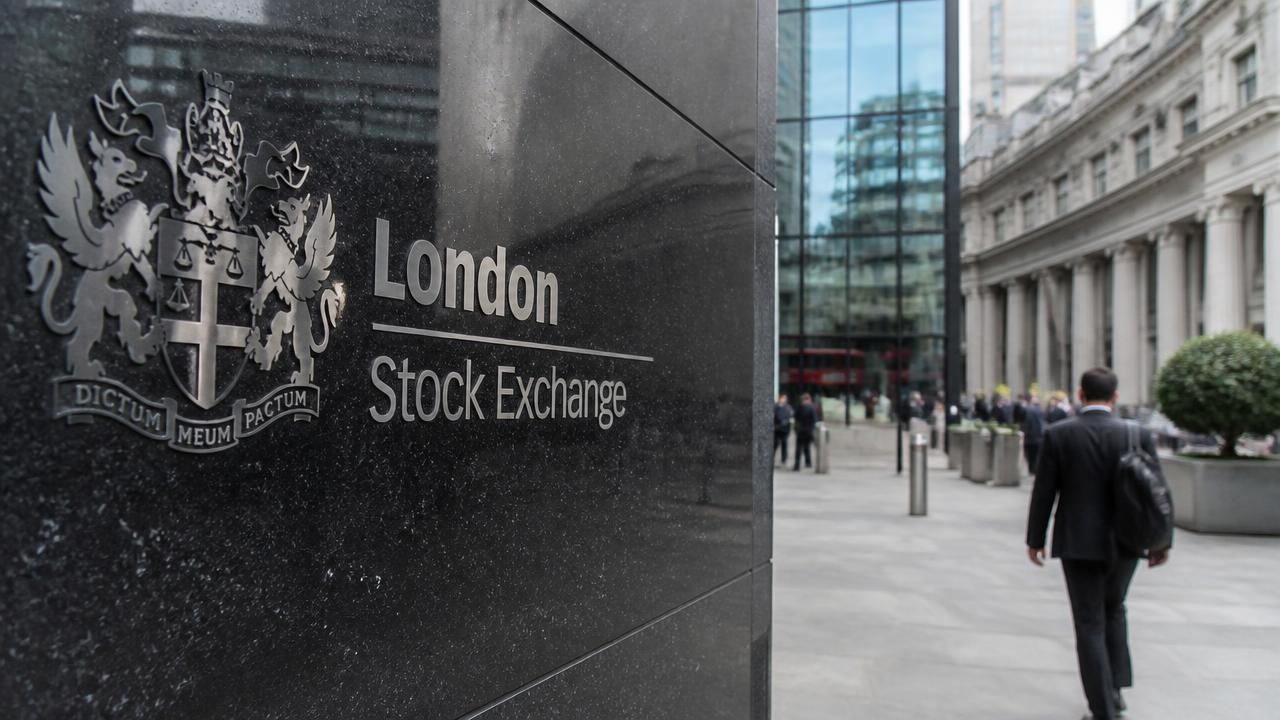
LONDON — Airtel Money, the mobile payments business ultimately controlled by Indian billionaire Sunil Bharti Mittal, has announced its intention to float on the London Stock Exchange, setting up what could be the UK market’s largest listing in years and a closely watched test of investor appetite for African fintech.
The company, the mobile money arm of Airtel Africa, is reported to be targeting a valuation of around $9bn, or roughly £6bn, in a move that would provide a significant boost to London’s shrinking equity market. The announcement was framed by the Guardian as a potential lifeline for a bourse that has suffered a string of high-profile departures and a prolonged listing drought.
What Airtel Money is and why it matters
Airtel Money is one of Africa’s largest mobile money platforms, offering payments, transfers, savings and other financial services across more than a dozen African countries. It is owned by Airtel Africa, a telecoms and mobile money group that is already listed on the London Stock Exchange and is majority-controlled by Bharti Airtel, the Indian telecoms giant founded by Sunil Bharti Mittal. The float would separate the fast-growing payments unit from the traditional telecoms business, allowing investors to back a pure-play African fintech.
Mobile money has become a critical part of Africa’s financial infrastructure, extending basic banking and payment services to millions of people who lack access to traditional bank accounts. Airtel Money competes with Safaricom’s M-Pesa and other regional platforms. Its growth has been driven by rising smartphone penetration, agent networks and demand for cross-border remittances.
Why London, and why now
London has long been a favoured venue for African companies seeking international capital, and Airtel Africa’s existing presence on the LSE makes a listing of its payments arm a natural next step. But the timing is significant. The UK market has been losing listings to New York and other centres, with companies such as Arm, CRH and Flutter Entertainment opting for US venues or shifting their primary listings. The London market has also been hit by weak IPO activity and a perception that it is falling behind in the global race for tech and growth companies.
Against that backdrop, Airtel Money’s proposed float has been portrayed as a much-needed vote of confidence. The Guardian described it as a boost for an ailing UK stock market, while MSN noted it would be the largest float on the LSE for five years. Yahoo Finance framed it as a test of the City’s animal spirits — a signal of whether global investors are willing to back large, emerging-market growth stories in London.
Guardian caution: not the end of the drought
Not everyone is convinced the listing marks a turning point. In a column accompanying the news, the Guardian’s Nils Pratley warned against over-optimism about London’s IPO pipeline.
Does this mark the end of London’s listing drought? Not yet.
That caution reflects a broader reality: one large float, however welcome, does not reverse years of structural decline. London still faces fierce competition from New York, Nasdaq and European exchanges, and it must demonstrate that it can attract a steady stream of high-quality listings rather than isolated successes.
The investor case and the risks
Airtel Money’s appeal rests on Africa’s long-term growth story. The continent has a young, increasingly urban and digitally connected population, and mobile money is often the primary route to financial services. Airtel Money has built a vast agent network and a trusted brand across its markets, giving it a competitive moat in many countries.
Yet investors will weigh significant risks. African economies are exposed to currency volatility, inflation and regulatory uncertainty. Mobile money is also subject to shifting government rules, taxes and competition from banks and fintech entrants. Airtel Africa’s share price has been sensitive to currency devaluations, particularly in Nigeria, and the separation of Airtel Money could create a more complex corporate structure.
Valuation will be crucial. Reports of a $9bn price tag would make Airtel Money one of the most valuable fintech listings in London, but it also raises questions about whether investors will pay a premium for growth in volatile markets. The final size and pricing of the float will depend on market conditions and demand.
What happens next
The company has announced its intention to float, but the process is subject to regulatory approvals, due diligence and market conditions. A successful listing would require a prospectus, a roadshow and a final pricing decision. If it goes ahead, it could encourage other African and emerging-market companies to consider London, and it would give the UK a flagship fintech listing at a time when the government is trying to reform listing rules to attract more IPOs.
For Sunil Bharti Mittal, the float represents another milestone in a global telecoms and payments empire that spans India and Africa. For Airtel Africa, it offers a chance to unlock value in its fastest-growing division. For London, it is both an opportunity and a test: proof that the City can still win large, international listings — or a reminder that one deal alone cannot solve its deeper challenges.