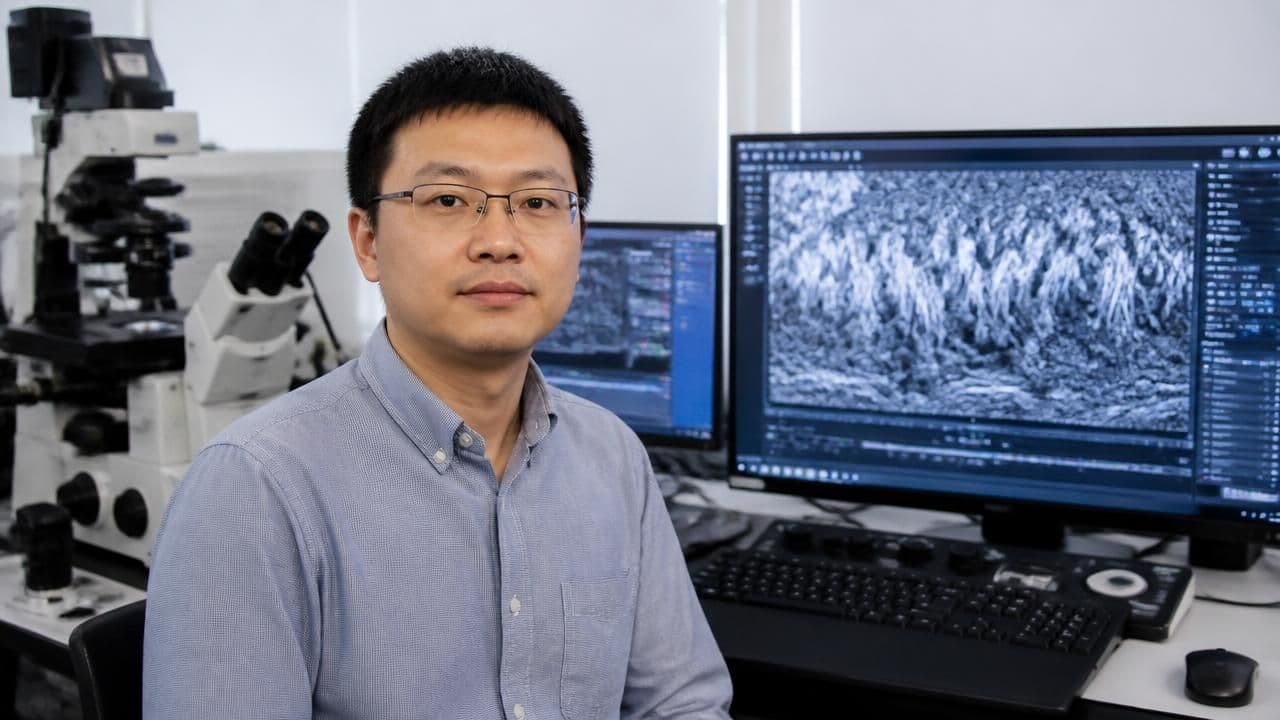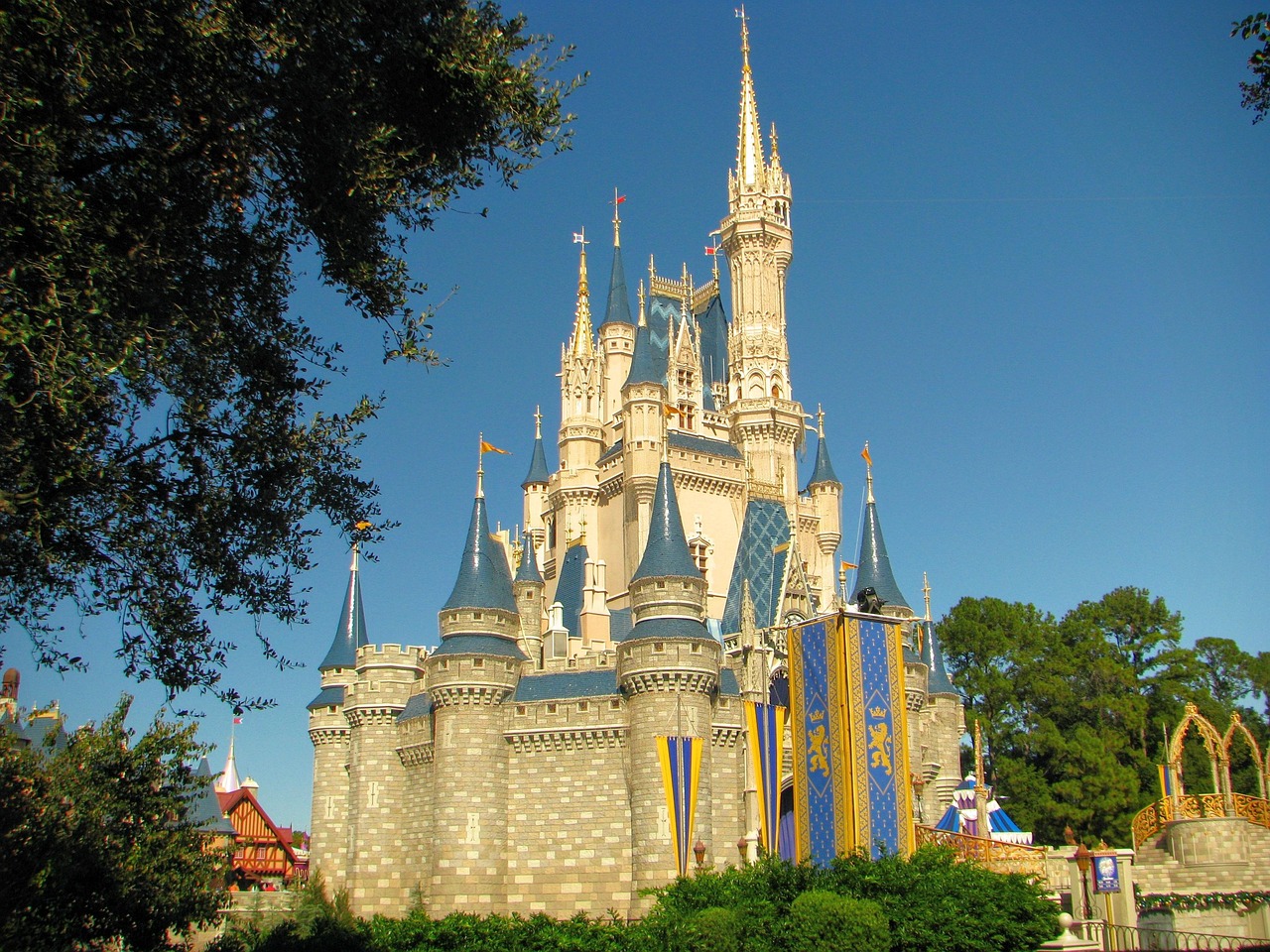
Disney has finally filled a role that had gone conspicuously vacant for a company of its size and reach: chief technology officer. The Burbank entertainment giant announced that Karandeep Anand, until recently the chief executive of the chatbot startup Character.AI, will become its first CTO, reporting directly to CEO Josh D'Amaro and overseeing infrastructure, product, engineering, and the company's data and AI platforms teams.
The appointment, confirmed across a wave of outlets including The Verge, The Hollywood Reporter, The New York Times, Seeking Alpha, Yahoo Finance and the AI trade site Unite.AI, marks a structural change in how the century-old studio organizes its technology ambitions — consolidating a patchwork of division-level engineering leaders under a single executive with a seat near the top of the org chart.
A first for a hundred-year-old company
“You would think that a multimedia conglomerate as large as Disney would have a few chief technology officers by now, but the company has just appointed someone to the position for the very first time,” The Verge noted in its coverage.
That observation captures the unusual nature of the announcement. Disney has long been a technology-heavy business — from animation rendering pipelines to streaming infrastructure to the connected sensors inside its theme parks — but engineering authority has historically been distributed across fiefdoms: Disney Entertainment, ESPN, Disney Streaming, and the Parks, Experiences and Products division each maintained their own technical leadership.
Creating a single CTO role signals a push toward centralization at a moment when artificial intelligence is reshaping both how content is made and how it is recommended, packaged and sold.
What Anand inherits
According to the company's announcement, Anand will head four broad areas: infrastructure, product, engineering, and data/AI platforms. The scope spans nearly every corner of the enterprise.
- Streaming economics. Disney+ and Hulu remain the company's most technology-dependent profit engines, where recommendation quality, ad-tech and delivery costs drive margins.
- AI across production and post-production. Generative tools are already being tested for visual effects, localization and marketing asset creation.
- Parks and guest experience. A decade of investment in connected wearables, mobile ordering and queue-management systems has turned Disney's resorts into a large-scale data operation.
- Ad tech and audience data. As advertising becomes a bigger part of the streaming business, first-party data platforms become strategically critical.
From Character.AI to the House of Mouse
Anand arrives from a very different kind of company. He served as CEO of Character.AI for just over a year, a tenure in which he steered the conversational-AI startup's expansion into microdramas — short, serialized, AI-driven entertainment formats aimed at mobile audiences. The pivot was an attempt to convert a large base of engaged chat users into a media business with recurring revenue.
Before that, Anand built a résumé rooted in big-platform product leadership, with senior roles at Meta and Microsoft. That combination — consumer internet scale plus enterprise infrastructure — is precisely the profile Disney appears to be buying.
The move also raises questions about Character.AI's direction. The startup has been navigating an intensely competitive landscape against well-funded rivals and has already seen high-profile leadership turnover since its founding team departed in a licensing deal with Google. The loss of another CEO, this time to a legacy media giant, is a notable moment for a company still trying to define its business model.
How different outlets framed the story
Coverage of the hire varied sharply by audience. The Verge emphasized the cultural collision — a consumer-AI executive trading chatbots and microdramas for a studio best known for animated musicals. The New York Times framed it as a technology push, casting Anand as the executive hired to accelerate Disney's technical modernization. The Hollywood Reporter treated it as an industry milestone, foregrounding the novelty of a first-ever CTO at a legacy studio. Financial outlets including Seeking Alpha and Yahoo Finance focused on the ticker-level implications for Disney shares and what a centralized tech leader means for capital allocation. Unite.AI, meanwhile, read the news through an AI-industry lens, treating the hire as evidence that mainstream entertainment companies now view AI leadership as an executive-suite requirement rather than an engineering detail.
Why now
Several forces converge behind the timing. Streaming has shifted from a land-grab to a profitability contest, and Disney has spent recent years cutting costs while trying to make its direct-to-consumer business sustainably profitable. At the same time, generative AI has moved from novelty to boardroom agenda across media, prompting both enthusiasm about efficiency and anxiety about labor, likeness rights and copyright — tensions that surfaced prominently during the 2023 Hollywood strikes and that remain unresolved.
Putting a single executive in charge of data and AI platforms gives Disney a clearer chain of command for those decisions, and a single point of accountability if bets go wrong.
What to watch
- Whether Anand's arrival is followed by further consolidation of engineering leadership across Disney's divisions.
- How aggressively Disney deploys generative AI in production workflows versus guest-facing products.
- Whether the company discloses new metrics tying technology investment to streaming margins.
- How Character.AI stabilizes after losing another chief executive.
For Disney, the significance may be less about any single initiative than about signaling. By creating the role and filling it with an AI-native operator, the company is telling investors, competitors and its own workforce that technology is no longer a supporting function — it is a strategy, and someone now owns it.