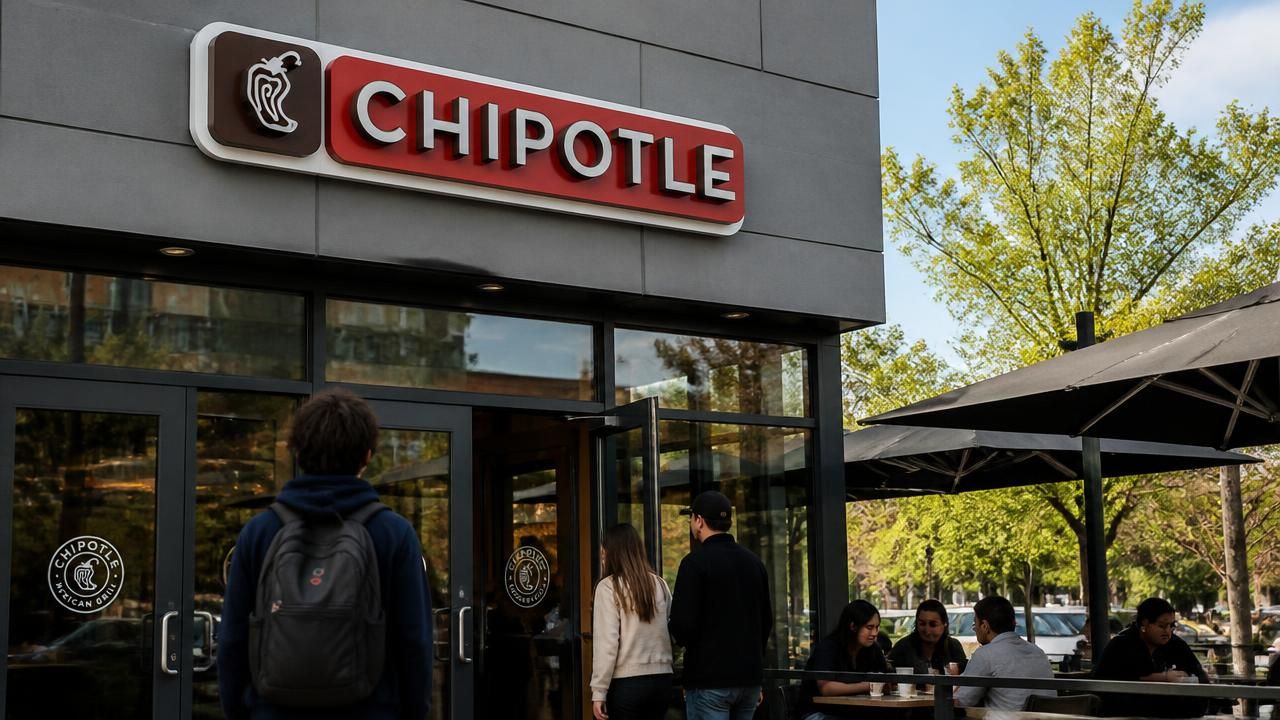
Chipotle Mexican Grill is turning to Palantir Technologies to help it spot food safety problems before they reach customers, the burrito chain confirmed this week. The partnership will stand up a data platform designed to monitor pest incidents, employee illnesses and other early-warning signals across Chipotle's more than 3,000 restaurants, according to reporting by Wired.
The news landed after what coverage described as a nightmare summer for food safety in the United States — a stretch of high-profile outbreaks and recalls that put restaurant supply chains back under the national microscope and sent chains scrambling to demonstrate they had the situation under control.
What the two companies are actually building
At its core, the Chipotle–Palantir arrangement is a data-integration play. Palantir's Foundry software is built to pull disparate, messy streams of information — supplier records, distribution logs, internal incident reports, staffing data — into a single operating layer, sometimes called an "ontology" in Palantir's corporate vocabulary, that lets managers query and act on it in near real time.
For Chipotle, that means a pest sighting at one location, an uptick in reported employee illness at another and a supplier shipment anomaly somewhere else can be correlated rather than treated as isolated events. Food safety experts have long argued that the biggest failing in restaurant outbreaks is not a lack of data but the failure to connect it quickly enough.
The platform monitors pest incidents, employee illnesses, and other factors.
A painful history the company cannot escape
Chipotle's interest in this technology is not abstract. The company is still defined, a decade later, by the 2015–2016 safety crisis that sickened hundreds of customers across multiple states. An E. coli O26 outbreak ultimately linked to several chains but concentrated most heavily at Chipotle affected customers in roughly a dozen states; separate norovirus incidents, including one near Boston College that sickened well over 100 students and another in California, compounded the damage. Sales collapsed, the stock shed a large share of its value, and founder Steve Ells eventually stepped down as chief executive.
Brian Niccol's subsequent turnaround — built on digital ordering, marketing and operational discipline — restored growth and made Chipotle one of the best-performing restaurant stocks of the past half-decade. But the company's scale, and its supply chain of fresh produce, chicken and beef, keeps it structurally exposed to the same risks that humbled it in 2015. Any new incident carries an outsized reputational cost.
Why Palantir, and why 'ontological burritos'
Palantir, co-founded in 2003 and led by chief executive Alex Karp, built its business on counterterrorism and defense analytics before expanding into commercial sectors including healthcare, manufacturing and, now, fast food. The company's reputation — government contracts with agencies including ICE and the U.S. military, plus a controversial role in the U.K.'s NHS data platform — makes it an unusually charged partner for a consumer brand.
Investors, however, greeted the news warmly. CMG stock ticked up on the announcement, and retail traders on social platforms seized on the partnership with typical irreverence, dubbing the concept "ontological burritos" in a nod to Palantir's jargon-heavy marketing. For a company whose name is associated with defense and intelligence work, analyzing the guacamole supply chain is an undeniably strange branding pivot.
The privacy and labor questions
Not everyone is enthusiastic. The most immediate concern raised by the arrangement is the employee-illness surveillance component. Health data about individual workers — who is sick, when, and with what — carries obvious privacy weight, and any system that aggregates it requires careful governance. Chipotle has not publicly detailed the safeguards, and Palantir's track record on data ethics has drawn sustained criticism from civil liberties groups.
That tension explains the widely divergent framing of the same announcement. Wired led with the mechanics and the risk-tracking purpose, treating it as a technology and workplace story. Financial coverage, by contrast, treated it as a market event, focusing on the share-price bump and the bullish retail reaction. And at least one outlet approached it with open weariness, headlining "We regret to inform you Chipotle is now working with Palantir" — a formulation that captures a growing cultural fatigue with Palantir's expanding footprint in everyday life.
What to watch
- Adoption speed: Whether the platform rolls out chain-wide or begins with a pilot group of locations will determine how quickly it can influence real-world outcomes.
- Disclosure: Chipotle has not detailed how employee health data will be anonymized, retained or shared. Watch for updated privacy policies or union pushback.
- Industry spillover: Rival chains facing the same regulatory and reputational pressure may see the deal as a template, accelerating AI adoption across restaurant operations.
- The bottom line: Publicly traded restaurants are judged on both safety metrics and quarterly numbers, and the market's early verdict was positive.
For Chipotle, the wager is straightforward: pay for sophisticated analytics now, and avoid a repeat of the crisis that nearly ended the company a decade ago. For Palantir, it is one more step into civilian commerce — and one more reminder that its name, for better and worse, now travels far beyond the Pentagon.