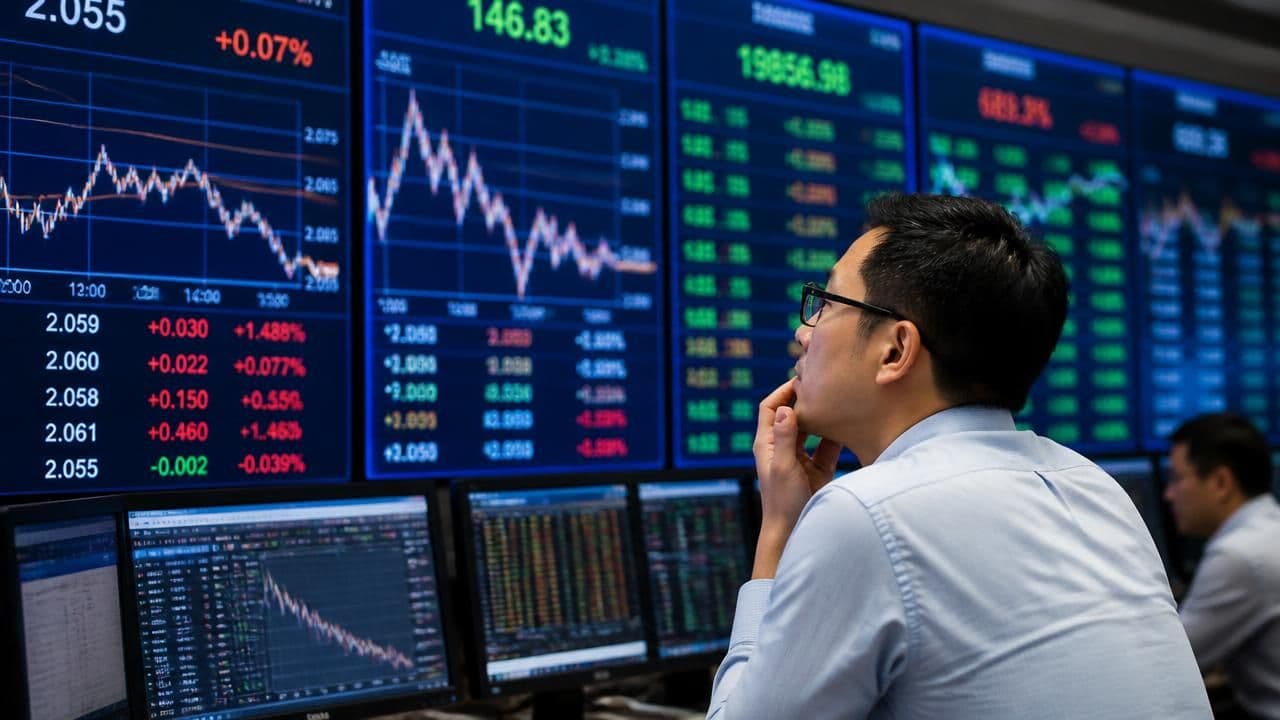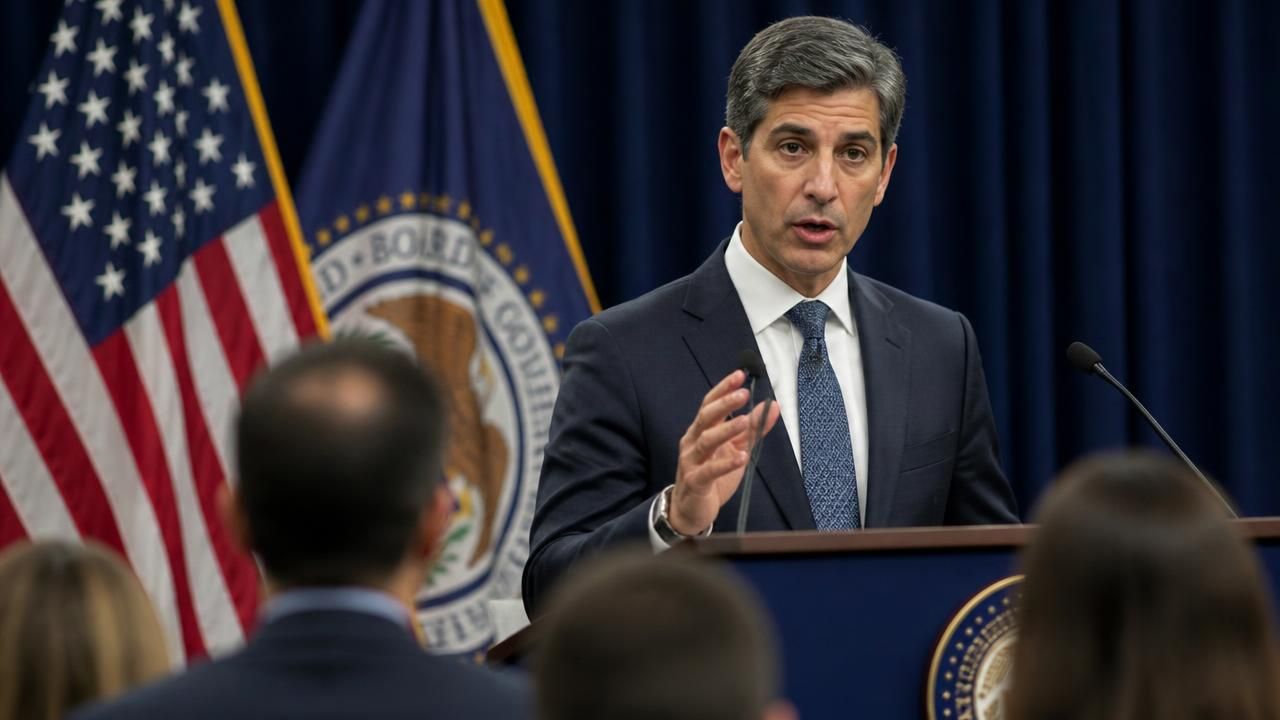
Global bond markets staged a sharp recovery on Thursday after Federal Reserve Chair Kevin Warsh delivered a rate hike and a forceful pledge to bring inflation back to target, easing pressure on a market that had been battered by weeks of selling. The rally, first reported by Bloomberg Markets, marked a rare moment of calm in a volatile stretch for fixed income, though traders immediately turned their attention to Friday’s closely watched Bank of Japan policy decision.
The yield on benchmark government debt retreated across major economies as investors interpreted Warsh’s remarks as a signal that the central bank will not tolerate a resurgence in price pressures. The Fed’s move—a hike—was accompanied by language vowing to tame inflation, a combination that calmed a market that had been pricing in stagflation risks and fiscal disorder.
A Fragile Calm
Yet the relief may prove fragile. While Bloomberg framed the session as a recovery, other outlets emphasized the underlying tensions. MarketWatch reported that Warsh’s speech showed he is coordinating with Treasury Secretary Scott Bessent to calm the bond market—an unusual alignment of monetary and fiscal authorities that raises questions about central bank independence. Reuters, meanwhile, described the episode as a hard choice for Warsh after the bond market flashed a ‘red flag’ on inflation. Investopedia put it more bluntly: the bond market is testing Warsh’s ‘noncommittal’ rate outlook.
“Global bond yields retreated Thursday, as the Federal Reserve’s rate hike and vow to tame inflation calmed a pressured market, leaving traders to look ahead to Friday’s key Bank of Japan decision.” — Bloomberg Markets
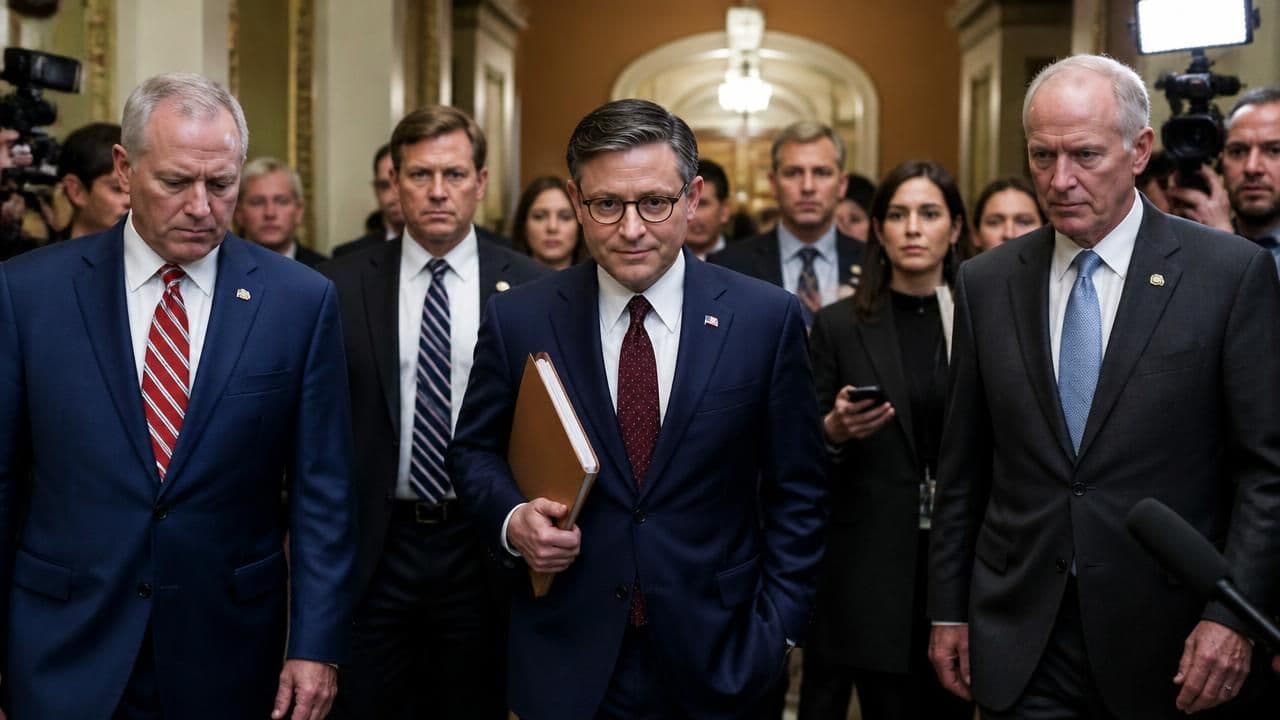
The divergent framings reveal a deeper debate. For market participants, the immediate question is whether Warsh has regained credibility with bond vigilantes—investors who sell debt when they doubt a central bank’s inflation-fighting resolve. For political observers, the question is whether the Fed chief is becoming too entangled with the Treasury’s debt management strategy, especially as Bessent pursues what one analyst called a ‘self-defeating’ bond strategy.
Warsh Caught Between Inflation and the Treasury
MSN highlighted an analyst’s warning that Kevin Warsh is caught between the Fed’s inflation fight and Bessent’s bond market approach. The analyst asked, in effect, ‘What he’s supposed to do’ when fiscal policy works at cross-purposes with monetary tightening. The tension is not merely academic. If the Treasury floods the market with debt or relies too heavily on short-term bills, it can push yields higher and complicate the Fed’s efforts to cool inflation without tipping the economy into recession.
Warsh’s challenge is compounded by the global nature of the bond market. The Fed’s rate hike lifted short-term U.S. yields, but long-term yields had been rising for weeks on concerns about deficits, oil prices, and sticky services inflation. Thursday’s retreat suggests that investors believe Warsh’s hawkish rhetoric—at least for now—will anchor expectations.
Why It Matters for Households
The stakes extend far beyond trading desks. As MSN noted in a separate report, global bond markets getting hammered can make life more expensive for ordinary households. Rising yields translate into higher borrowing costs for mortgages, credit cards, auto loans, and corporate debt. When bond markets stabilize, those costs can ease; when they don’t, consumers feel the pinch through higher monthly payments and slower hiring.
That is why the Fed’s communication has become as important as its rate decisions. Investopedia’s observation that the bond market is testing Warsh’s ‘noncommittal’ outlook suggests investors want a clearer reaction function: how high will rates go, and under what conditions would the Fed pause or pivot? Warsh’s speech may have bought time, but it did not fully answer that question.
The Bank of Japan Wildcard
Friday’s Bank of Japan decision could upend the calm. The BOJ has been gradually moving away from ultra-loose policy, and any surprise tightening could trigger a repatriation of Japanese capital from global bond markets. That would push yields higher in the U.S. and Europe, potentially undoing Thursday’s rally. Traders are therefore watching both Warsh and BOJ Governor Kazuo Ueda for signals about the next phase of global monetary policy.
Some analysts argue that coordination between the Fed and Treasury is necessary to avoid a disorderly selloff. Others warn that it risks blurring the line between debt management and monetary policy, ultimately undermining the Fed’s inflation-fighting credibility. MarketWatch’s report that Warsh’s speech showed coordination with Bessent will likely intensify that debate.
“Fed chief Warsh faces hard choice on inflation after bond market’s ‘red flag.’” — Reuters
For now, the market has voted for calm. But the underlying issues—inflation persistence, fiscal deficits, and the Fed’s independence—remain unresolved. Warsh’s rate hike and tough talk may have quieted the bond market for a day. Whether it lasts depends on Friday’s BOJ decision and whether Warsh can convince investors that he is neither too cozy with the Treasury nor too vague about his inflation strategy.
What to Watch
- Bank of Japan decision: Any hawkish shift could reignite global yield volatility.
- Fed communication: Investors will parse Warsh’s next remarks for a clearer rate path.
- Treasury issuance: Bessent’s debt strategy could either complement or conflict with the Fed’s tightening.
- Consumer borrowing costs: Mortgage and credit card rates will follow long-term yields, not just the Fed’s policy rate.
The next 24 hours will test whether Thursday’s recovery was a genuine turning point or merely a pause in a larger bond market storm. Warsh has won a temporary reprieve. The hard choices, as Reuters noted, are only beginning.