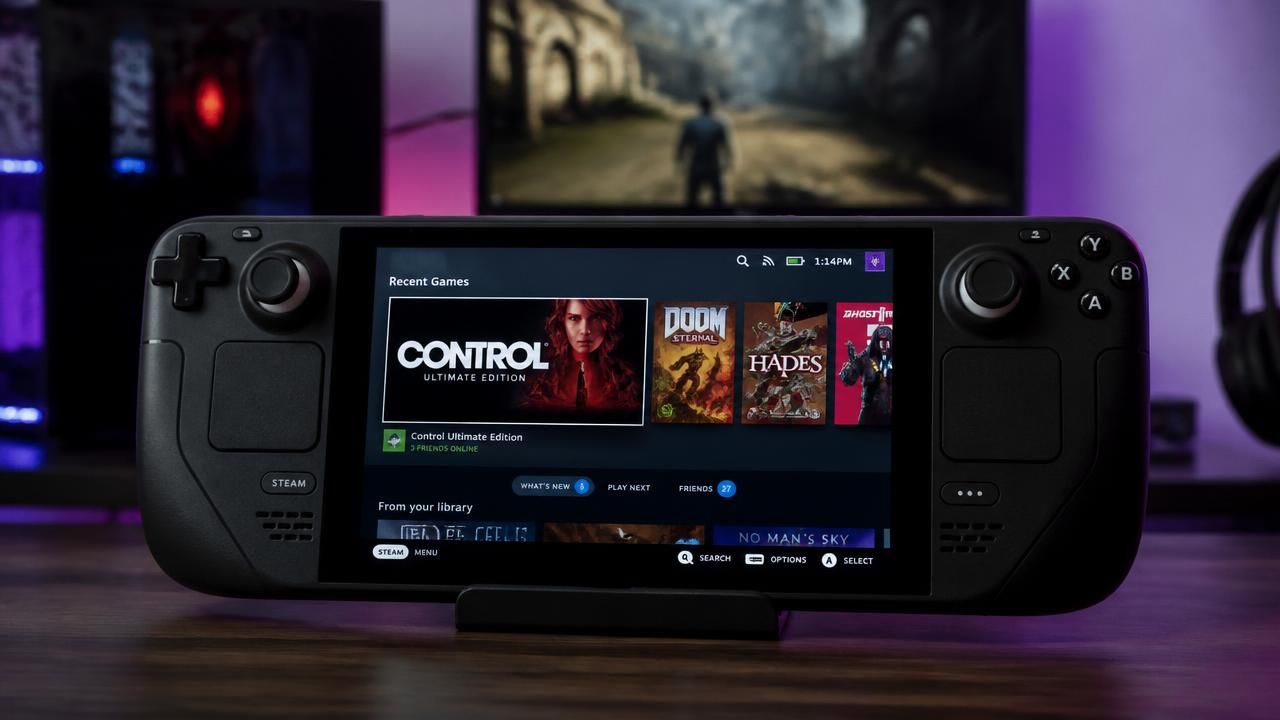
Valve has quietly shipped a major update to Proton, the compatibility layer that lets Windows games run on Linux and SteamOS. The release, available as Proton 11.0-1 and quickly followed by 11.0-2, is being framed by outlets as everything from a routine compatibility bump to the opening move in Valve’s next hardware era. The through line: Linux gaming is no longer a side project. It is becoming a platform strategy.
Proton is a fork of Wine, the long-running open-source project that translates Windows API calls into Linux-native ones. Since the Steam Deck launched, Proton has been the engine behind Valve’s pitch that a Linux handheld can play a vast Windows library. Proton 11 continues that work with performance improvements, better support for classic titles, and fixes for high-profile games. According to TechSpot, the beta boosts Linux gaming with better performance and classic game support. Digital Trends reports that it fixes Helldivers 2, Forza Horizon, and more. Notebookcheck notes that 11.0-2 adds nine newly playable games to the Steam Deck.
A Compatibility Stack Built for More Than x86
The most consequential change may be one Valve did not headline. MSN spotted that Valve’s Proton 11 beta includes a quietly hidden ARM64 version. That matters because SteamOS and most gaming PCs have historically been built on x86 processors from Intel and AMD. ARM chips, by contrast, dominate phones, tablets, and a growing share of laptops and embedded devices. If Proton can run on ARM64, Valve is laying groundwork for hardware that does not depend on x86.
Ars Technica reports that Valve is relying on two additional compatibility layers that are new to the Steam architecture. The first is FEX, Valve’s port of the open-source fex-emu project. FEX emulates x86 processor instructions on Arm chipsets. Since 2018, it has grown into what its website calls “an advanced binary recompiler that supports all modern extensions of the x86(-64) instruction set.” It can call graphics libraries like OpenGL and Vulkan to reduce overhead and uses code caching to minimize stuttering.
“Close to a decade of work [would be] needed before [Fex-emu] would be robust enough people could rely on it for their libraries.” — Pierre-Loup Griffais, Valve engineer, to The Verge
Valve has been funding FEX lead developer Ryan Houdek since the project was a prototype, according to Ars Technica. That long-term bet suggests Valve anticipated a future in which its games and storefront need to run on Arm. The Steam Frame, a SteamOS-powered device, is expected to lean on FEX. The hidden ARM64 Proton build is another piece of the same puzzle.
FSR 4, VKD3D-Proton 3.0, and the Steam Machine
Valve’s Linux gaming push is not only about CPU instruction sets. Graphics compatibility is just as important. VKD3D-Proton translates Direct3D 12 calls into Vulkan, allowing modern Windows games to run on Linux. Notebookcheck reports that the VKD3D-Proton 3.0 release paves the way for AMD FSR 4 on the Steam Machine. Separately, TweakTown reports that FSR 4 support has come to SteamOS and Proton, hinting at Steam Machine support.
FSR 4 is AMD’s latest upscaling and frame-generation technology, and it is increasingly central to how games hit high frame rates on modest hardware. Bringing it to SteamOS and Proton would let Linux gamers use the same performance-boosting features available on Windows. It would also make Valve’s rumored Steam Machine—a living-room PC designed to compete with consoles—more credible. A console-like box needs console-like image quality and performance. FSR 4 support in the Proton stack is a step toward that.
Android, Steam Deck, and the Wider Linux Moment
The ARM64 work has implications beyond Valve’s own hardware. Android Authority argues that Valve’s Proton upgrade could improve PC gaming on Android, and that emulating PC games on Android is easier than ever thanks to Valve. Android devices run on ARM chips, and projects like Winlator and GameNative already use Wine and Proton-derived tools to run Windows games on phones and tablets. An official ARM64 Proton build could accelerate that movement, even if Valve does not directly support Android.
Geeky Gadgets frames the broader shift bluntly: “Why Linux Is Quietly Becoming the Ultimate Gaming Platform in 2026.” That claim would have seemed absurd a decade ago. But the Steam Deck normalized Linux as a gaming OS, Proton matured, and developers began treating SteamOS as a target rather than an afterthought. Valve’s investment in FEX, VKD3D-Proton, and ARM64 support extends that trajectory.
Different Outlets, Different Frames
The coverage reflects distinct audiences. Ars Technica focuses on the technical stack and Valve’s long bet on emulation. Android Authority focuses on what ARM support means for mobile gaming. TweakTown and Notebookcheck connect the graphics updates to the Steam Machine. TechSpot and Digital Trends emphasize game fixes and performance. MSN highlights the hidden ARM64 build. Together, they describe a company methodically removing the barriers between Windows games and non-Windows hardware.
Challenges remain. Emulation adds overhead, anti-cheat systems can still block Linux, and ARM drivers are less mature than x86 counterparts. Valve has not announced a consumer ARM Proton release or a Steam Machine launch date. But the direction is clear. Proton 11 is not just a compatibility update. It is a signal that Valve is preparing for a future in which SteamOS runs on x86 and ARM, on handhelds and TVs, and on hardware Valve may not have fully announced yet.
For gamers, the practical payoff is more playable games on the Steam Deck today and more options tomorrow. For the industry, it is another sign that Windows is no longer the only serious destination for PC gaming.