For at least four centuries, the Indian and Pacific oceans have been locked in a climatic relationship that helped shape monsoons, droughts, floods and marine ecosystems across two continents. Now, scientists say that connection is breaking down in an exceptional way—and human-caused global warming is the likely driver.
The finding, first reported by Science Daily and picked up by Yahoo News and MSN, draws on ancient climate records that reconstruct the ocean link over 400 years. Those records show that volcanic eruptions disrupted the relationship in the past, but only temporarily. Today's shift appears far more unusual: it is persistent, global in scale and aligned with rising greenhouse gas concentrations.
“The Indian and Pacific oceans have been climatically linked for centuries, but scientists say that connection is now breaking down in an exceptional way.” — Science Daily
That framing matters because the Indian and Pacific oceans are not isolated bodies of water. They exchange heat, moisture and momentum through the atmosphere and ocean currents, creating a seesaw of climate variability. The Indian Ocean Dipole (IOD) and the Pacific's El Niño-Southern Oscillation (ENSO) are two of the most powerful patterns in the global climate system. When they are coupled, their effects can amplify one another, influencing rainfall from East Africa to Australia and from South Asia to the Americas.
How the Ocean Link Works
The connection operates through what scientists sometimes call an atmospheric bridge. Warm surface waters in the western Pacific can shift the Walker Circulation, a giant loop of rising and sinking air across the tropics. That, in turn, changes winds over the Indian Ocean, altering the IOD. The reverse can also happen: Indian Ocean warming can feed back on Pacific trade winds and El Niño or La Niña conditions.
Over centuries, this coupling has been relatively stable. Proxy records—natural archives such as corals, sediments and tree rings—allow scientists to peer back before instrumental measurements began. They show that the two oceans have often moved together, with one system reinforcing the other. The 400-year perspective is crucial because it separates natural variability from the human fingerprint.
Volcanoes Versus Greenhouse Gases
Past volcanic eruptions offer a useful comparison. Major eruptions inject sulfate aerosols into the stratosphere, cooling the planet and perturbing ocean-atmosphere patterns for a few years. In the ancient records, those events appear to have disrupted the Indian-Pacific link, but the relationship eventually recovered. The current disruption is different. It is not a short-term response to a volcanic shock; it is unfolding against a background of steadily rising global temperatures.
Scientists say that human-caused warming is driving a much more unusual shift. As the atmosphere and oceans heat up, the background conditions that sustain the link—trade winds, ocean temperature gradients and rainfall patterns—are changing. The result may be a decoupling of the two ocean systems, with consequences that are difficult to predict using historical analogs alone.
Why It Matters
If the Indian and Pacific oceans become less synchronized, seasonal forecasting could become harder. Many governments and industries rely on ENSO and IOD forecasts to prepare for droughts, floods and heat waves. A broken or weakened link could make those forecasts less reliable, leaving vulnerable regions with less warning.
- Extreme weather: Changes in the link can shift rainfall patterns, potentially worsening droughts in some regions and floods in others.
- Marine ecosystems: Warmer oceans and altered currents can stress coral reefs, fisheries and plankton networks that form the base of the food chain.
- Food security: Agriculture in monsoon-dependent countries could face more erratic growing seasons.
- Global heat: The ocean shift comes as UN climate projections warn of record-breaking heat in coming years, according to reports carried by MSN.
UN Warning Adds Urgency
The ocean-link study does not stand alone. MSN also highlighted UN climate projections warning of record-breaking heat in the coming years. That broader forecast reinforces the scientific concern: the planet is not simply warming by a few fractions of a degree; it is reorganizing the systems that regulate weather and climate. Ocean-atmosphere coupling is one of those systems.
If record heat becomes the new normal, the Indian and Pacific oceans will continue to absorb enormous amounts of energy. That energy can alter circulation, intensify evaporation and change the timing of monsoon rains. The breakdown of a 400-year link is therefore not just a scientific curiosity—it is a signal that the climate system is entering a state that modern society has not experienced.
How Outlets Frame the Story
Different outlets have emphasized different angles. Science Daily leads with the paleoclimate dimension, stressing that the link has held for centuries and that volcanic eruptions were past disruptors. Yahoo News and MSN distilled the story into a blunter headline: global warming is breaking the link between two major oceans. MSN also paired the ocean story with UN heat projections, connecting the specific finding to the larger climate emergency.
Those framings are complementary rather than contradictory. The Science Daily version provides the long-term context and the mechanism. The Yahoo and MSN versions make the stakes clear for a general audience. Together, they show how a specialized climate study can become part of a broader public conversation about adaptation, mitigation and the limits of prediction.
What Comes Next
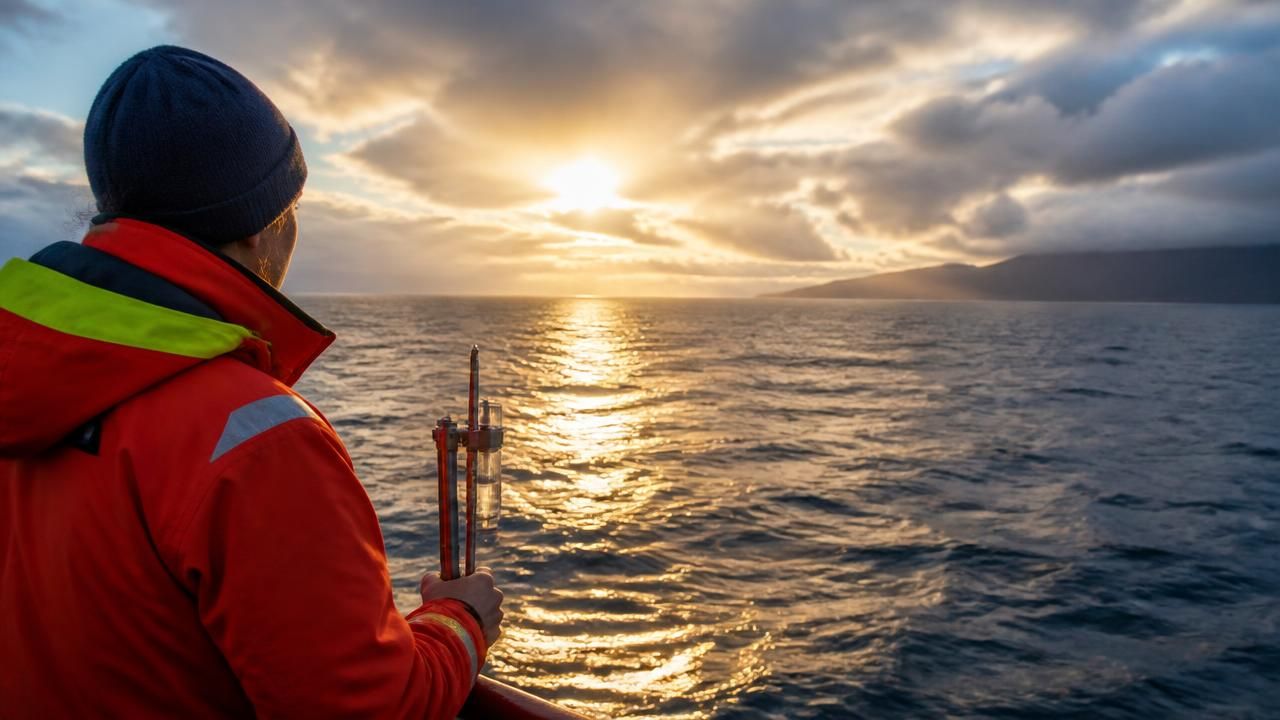
Researchers will continue to monitor the Indian and Pacific oceans using a combination of satellites, buoys, shipboard measurements and paleoclimate proxies. Key questions remain: Is the decoupling permanent, or can it reverse if warming slows? How will it interact with natural variability such as El Niño and La Niña? And which regions will bear the brunt of more unpredictable weather?
What is already clear is that the 400-year climate link is under strain. The Indian and Pacific oceans have been partners in shaping Earth's climate for centuries. Whether they remain coupled—or drift apart—will help determine the kind of climate future the world inherits.