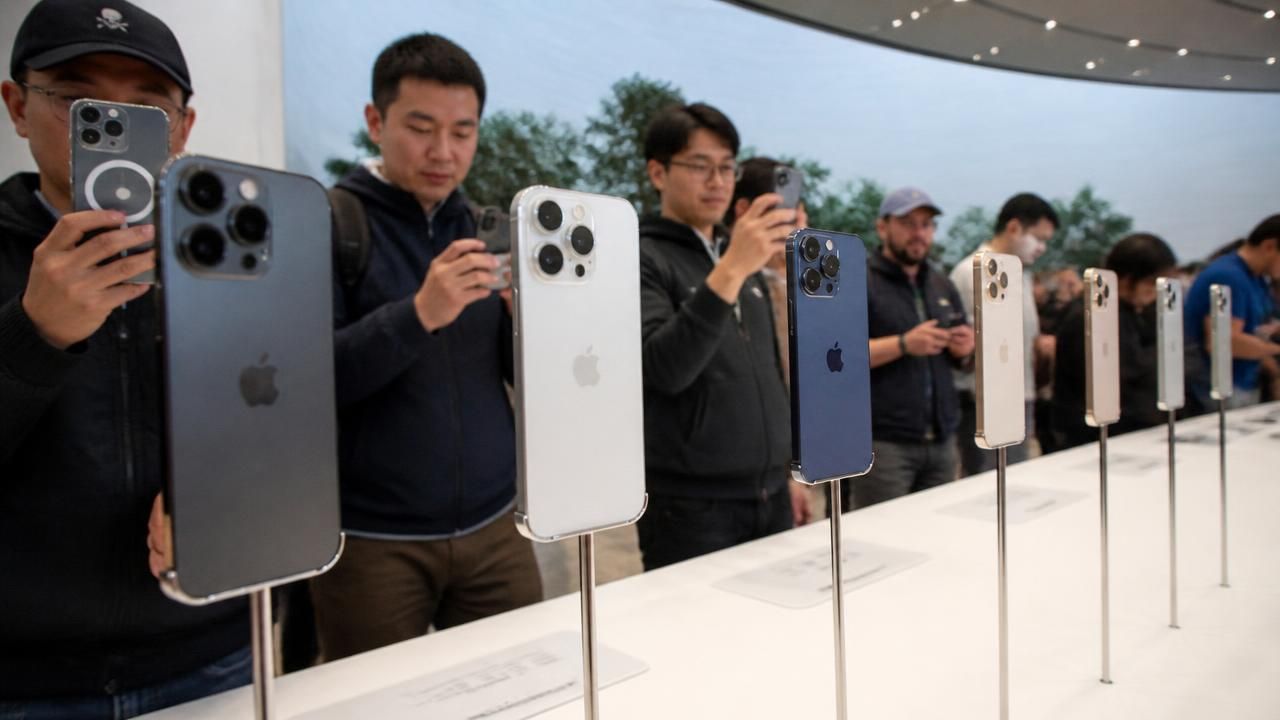
The newest iPhones are here, and the technology press has entered what The Verge calls "new tech season" — that annual stretch when unboxing videos, hands-on impressions and firmware teardowns crowd out nearly everything else in the feed. In the latest edition of its Installer newsletter, The Verge greeted readers with the now-familiar framing: "If you're new here, welcome, new tech season is here." Staff wrote of devouring every hands-on video they could find, alongside a wider cultural diet of award-nominated indie websites, a samurai revival in Onimusha: Way of the Sword, the new Taskmaster series and a remake-era redesign of Link.
That mix — gadget coverage wrapped in personal enthusiasm — says something about how consumer technology is now reported. The launch of a phone is no longer a single news event but a season, a rolling calendar of leaks, embargoes, reviews and accessory guides that stretches from late summer into the winter holidays.
What Apple actually shipped
Apple's latest phone family sits at the center of the cycle. As in previous years, the company is leaning on incremental hardware gains — camera systems, silicon efficiency, display brightness — paired with software features that are increasingly defined by machine learning rather than raw spec sheets. Reviewers' early hands-on videos, the ones dominating the newsletter's author's watch history, have focused on exactly those questions: how much the new cameras matter in daily use, whether the processor upgrade is perceptible, and how much of Apple's on-device AI story is genuinely useful rather than demonstrative.
The stakes are high. The iPhone remains Apple's single largest revenue engine, routinely generating tens of billions of dollars per quarter and anchoring the company's services business, which depends on a large, current installed base. Every annual refresh is therefore less a product launch than a platform maintenance operation: nudge enough users to upgrade, and the App Store, iCloud and subscription businesses keep compounding.
From shuffle to smartphone: Apple's long bet on voice
To understand why this year's phones matter, it helps to remember a smaller Apple announcement. Years ago, the company revealed a new iPod shuffle that talked — a device with no screen that used synthesized speech to announce song titles, playlists and battery status. It was a small, strange idea: giving a music player a voice so it could shed its display.
That decision looks prescient now. Voice has become the primary interface Apple is trying to sell across its lineup, from Siri to accessibility features to the conversational models quietly running on-device. The shuffle's talking firmware was a novelty; today, natural-language interaction is the headline feature of an entire hardware generation. The through-line is consistency: Apple has spent more than 15 years training customers to speak to their devices.
"New tech season is here." — The Verge, Installer
The advertising question that never quite goes away
Not every Apple launch has been met with applause. In 2008, the United Kingdom's advertising regulator told Apple to pull an iPhone commercial, ruling that its claims about browsing "all the parts of the internet" and the speed of its network overstated what the device could actually do in everyday conditions. It was an early signal that Apple's marketing language would face the same skeptical scrutiny as its competitors'.
The pattern has repeated. Regulators in Europe and the UK now examine Apple's claims under digital-markets and consumer-protection rules, and advertising watchdogs are quicker to challenge phrases like "fastest" or "most powerful." For a company whose brand is built on confident superlatives, the constraint is real: every claim must be demonstrable, and demonstrations now happen in public, on video, within hours of launch.
How different outlets frame the same launch
- Enthusiast newsletters treat the launch as a lifestyle event, blending product impressions with film, music and personal anecdote.
- Wire-style news services reduce the same event to a headline and a product name, prioritizing timeliness over texture.
- Business and financial coverage asks a narrower question: will this refresh sustain upgrade rates and services growth?
- Regulatory and consumer reporting focuses on what companies promise rather than what they ship.
Those frames are not competing versions of the truth so much as different depths of the same story. The enthusiast knows the camera is better; the analyst knows why that matters to the quarter; the regulator asks whether the advertisement said so honestly.
What comes next
Expect the next several weeks to bring teardown analyses, battery tests, carrier promotions and the first independent sales estimates. The more interesting question is longer-term: as Apple pushes AI features that live partly in the cloud, how will it describe their capabilities without running into the same wall it hit in 2008? Voice, it turns out, is easy to ship and hard to promise.
Editor's note: the aggregated feed used for this report also carried unrelated items — coverage of a Texas congressional special election campaign, an interview about an elite Scientology group, and a discussion of the fat acceptance movement — that had no bearing on the Apple story and were excluded from this synthesis.