A controversial proposal for a 250-foot-tall triumphal arch honoring President Donald Trump has advanced through initial design approvals, sparking intense backlash from lawmakers, preservationists, and the public. The monument, envisioned as a gilded structure towering over the Lincoln Memorial, has been criticized for its hasty approval process, lack of congressional authorization, and what critics call a self-aggrandizing tribute.
The Arch Design and Its Origins
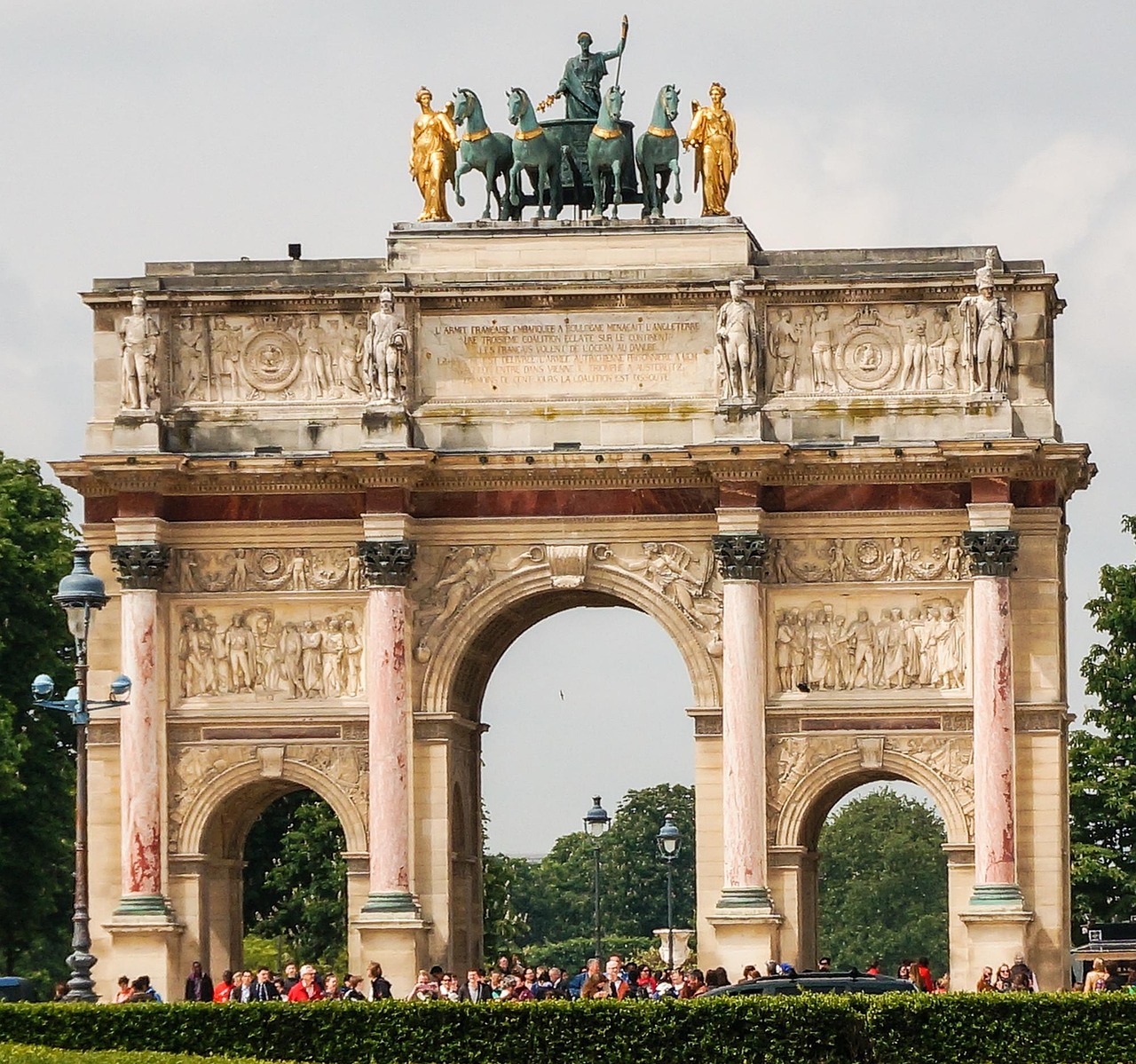
The arch, reportedly inspired by classical Roman triumphal arches, would stand 250 feet tall—nearly double the height of the Lincoln Memorial—and be clad in gold. According to NPR, the design concept was not born from a standard memorial commission but was sparked long before formal approvals, driven by a small group of individuals close to President Trump. Experts in memorial design have warned that such projects should not be fast-tracked or dictated by a select few. The arch's design was approved through expedited processes, raising concerns about bypassing typical public consultation and expert review.
Legal and Congressional Challenges
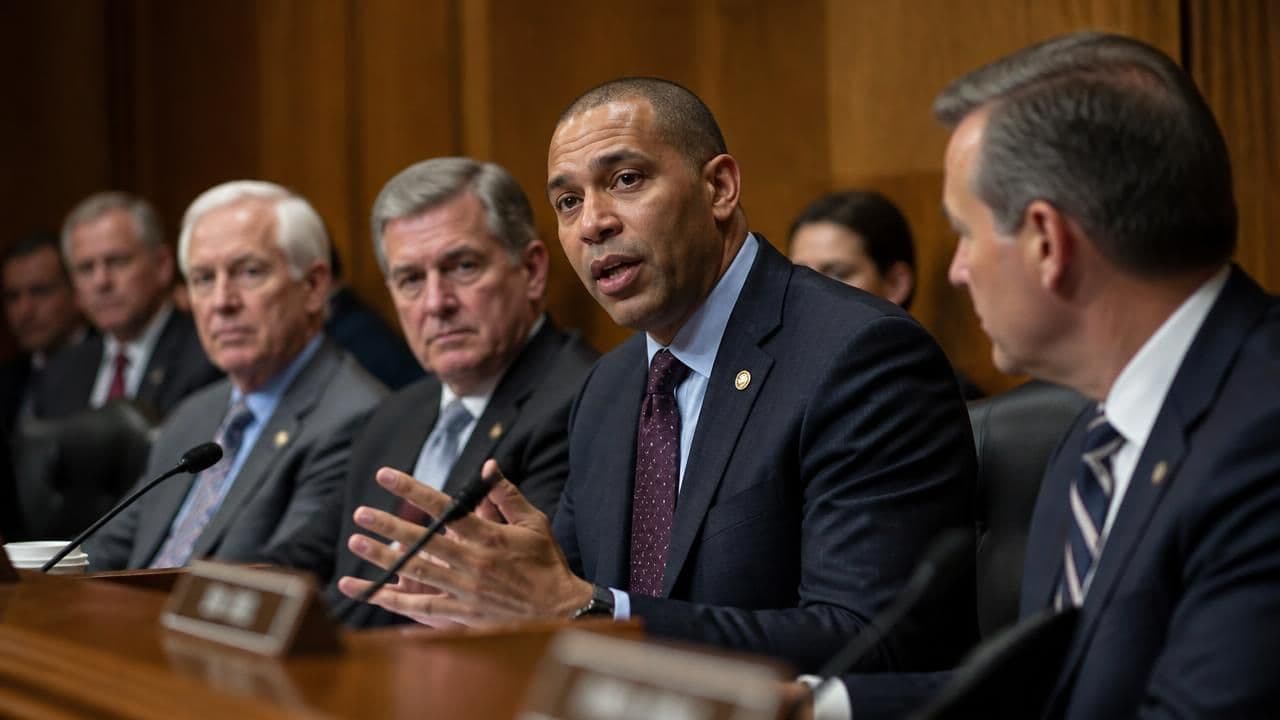
Lawmakers have fired warning shots at Interior Secretary Doug Burgum and the National Park Service (NPS), asserting that they have no authority to build the arch without explicit approval from Congress. Multiple sources report that a group of legislators sent a letter cautioning that the NPS cannot proceed with construction absent congressional authorization, as the land falls under federal jurisdiction and requires legislative appropriation. The dispute centers on whether the executive branch can unilaterally erect such a monument on the National Mall, a space traditionally governed by strict oversight to preserve its historical and symbolic integrity.
Congressional Authority Questioned
Representatives from both parties have expressed alarm. One lawmaker stated, “They have no power to build this. The NPS is a steward, not a sovereign.” The letters emphasize that any major construction on federal parkland must be approved by Congress, and that the arch's rapid advancement threatens to set a precedent for executive overreach. The Interior Department has yet to issue a formal response, but the NPS is reportedly reviewing the legal basis for the project.
Public and Legal Backlash
Yahoo! News reports that the arch has ignited public outrage and legal challenges. Critics argue that the monument is a vanity project that disregards the democratic process. A coalition of preservation groups and local residents has filed a lawsuit to halt the project, claiming violations of the National Environmental Policy Act and the National Historic Preservation Act. The suit contends that the arch would irreparably harm the historic vista of the National Mall and that the environmental review was inadequate.
When asked who the arch would honor, Trump reportedly replied, “Me.” This comment has fueled accusations of narcissism and disrespect for the nation's traditions. The Lincoln Memorial, a symbol of unity and emancipation, would be dwarfed by a monument to a sitting president—a break from the norm where presidential memorials are typically built posthumously.
Historical Context and Expert Views
Memorial design experts have weighed in, noting that the process for the arch is unprecedented. Typically, new memorials on the National Mall require years of planning, public hearings, and congressional approval. The Franklin Delano Roosevelt Memorial, for example, took over two decades from conception to completion. “The design process for new memorials shouldn't be fast-tracked or dictated by a select few,” said Dr. Elena Martinez, a historian of public monuments. “This sets a dangerous precedent where political power can override established procedures.”
The arch's gold cladding has also drawn fire for its cost and symbolism. Estimates for the project remain undisclosed, but critics fear it could run into the hundreds of millions of dollars, diverting funds from park maintenance and other priorities. The golden hue evokes authoritarian aesthetics, drawing comparisons to monuments in North Korea and other autocratic regimes.
Differing Perspectives
While mainstream outlets frame the story as a clash between executive ambition and democratic checks, some conservative commentators have defended the arch as a bold statement of American greatness. However, even within the administration, there are reportedly divisions. Some aides worry that the controversy could become a political liability, especially as legal challenges mount.
The arch's future remains uncertain. Congress could block funding or pass legislation specifically prohibiting the project. The courts may also intervene. For now, the design approvals move forward, but the battle lines are drawn: a small group of insiders versus the institutional machinery of checks and balances.
What Comes Next
The NPS is expected to release a more detailed environmental impact statement in the coming weeks. Public hearings, if they occur, could provide a platform for opposition. Meanwhile, the lawsuit seeks an injunction to stop any construction. The outcome will test the limits of presidential power over federal lands and the resilience of the nation's memorial traditions.
As the debate rages, one thing is clear: the triumphal arch has already become a symbol—not of unity, but of division over how America remembers its leaders.