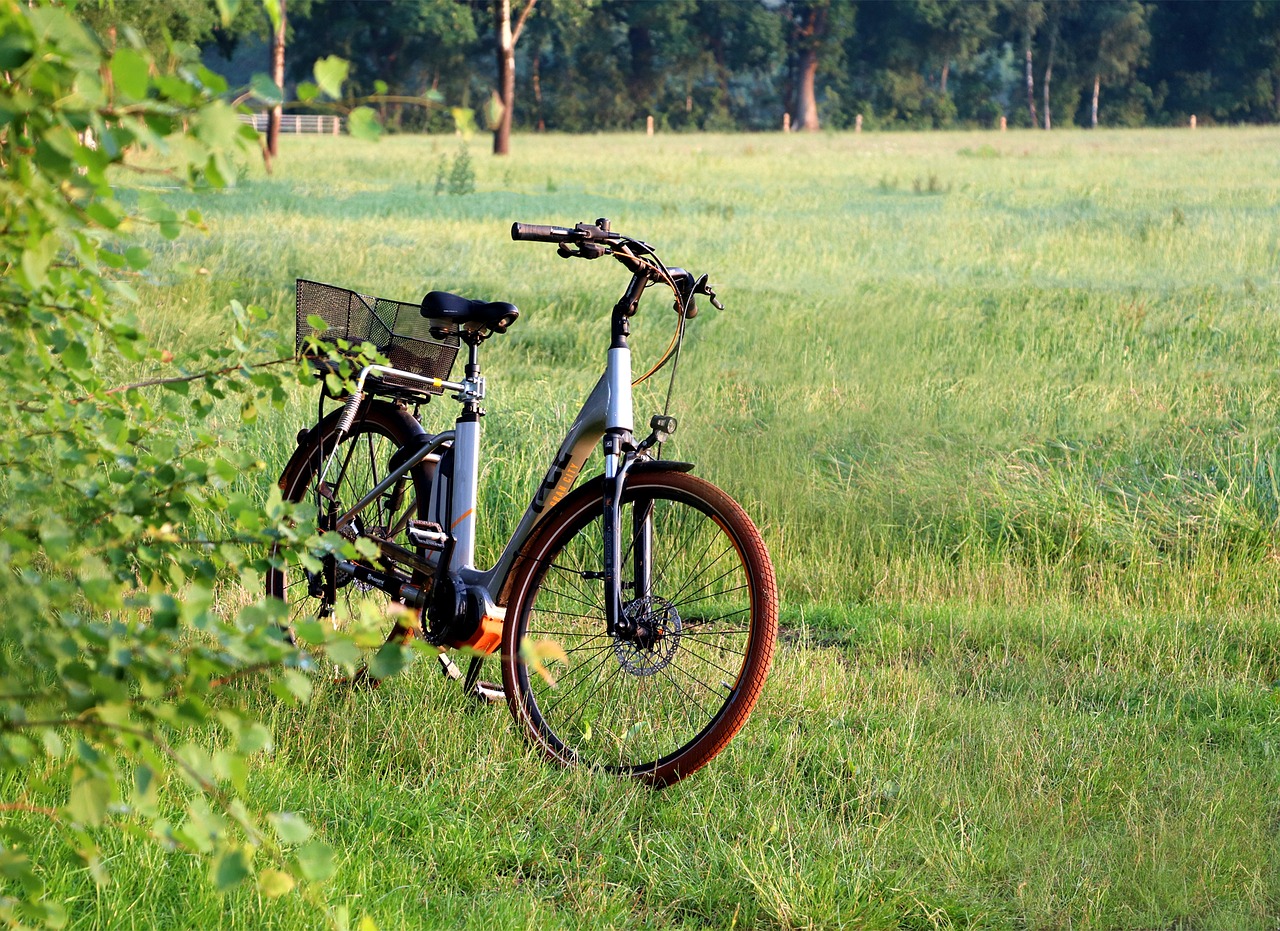
Also, the micromobility spinout from electric vehicle maker Rivian, has finally begun shipping its highly anticipated TM-B e-bike after months of manufacturing delays that frustrated customers and led to order cancellations. In a parallel development, the company has raised $150 million in new funding to expand into driverless delivery, signaling that the futuristic bicycle is just the beginning of its ambitions.
The TM-B first made waves when it was unveiled last year, showcasing a radical departure from conventional e-bike design. With a USB-C chargeable battery integrated into a removable seat post, a software-controlled pedal-by-wire system, and a sleek, minimalist aesthetic, the bike drew immediate attention from tech and cycling enthusiasts alike. It was, as The Verge put it, a design that 'nothing else looked like.' But the very technology that made the TM-B stand out also created unexpected production bottlenecks.
Delays and Customer Backlash
Originally, Also promised that customer deliveries would begin earlier this year. However, the complexity of the bike's proprietary components, including its unique drivetrain and software integration, caused repeated setbacks. As weeks turned into months, frustration mounted among early adopters who had placed deposits. Social media and online forums filled with complaints, and a significant number of customers began canceling their orders.
The delay was a painful lesson for us, but it also galvanized our resolve to deliver a product that truly meets the high standards we set,
a company spokesperson told reporters, though they declined to specify how many orders were canceled. Reports from Yahoo Finance indicate that the shipping delays were severe enough to prompt a wave of cancellations, but the company has not disclosed exact figures.
Now, months later, Also has confirmed that the first customer units are rolling out. Early reviews from those who have received their bikes highlight the TM-B's innovative features, such as its smartphone-integrated control system and regenerative braking. Owners have praised the bike's smooth, responsive ride quality, though some have noted that the software is still receiving updates to refine the experience.
Raising $150 Million for Driverless Delivery
While the TM-B finally reaches customers, Also announced a $150 million funding round aimed at developing driverless delivery vehicles. According to The Next Web, the e-bike is just the wedge into a much larger market. The new capital will fuel research and development into autonomous delivery platforms that leverage the same software-defined architecture used in the TM-B.
Also envisions a future where its technology powers a fleet of small, self-driving delivery vehicles designed for urban environments. This aligns with broader industry trends, as companies like Amazon, FedEx, and various startups race to perfect last-mile autonomous delivery. Also’s connection to Rivian, which is backed by Amazon and has a contract to build electric delivery vans, could provide strategic synergies.
The funding round was led by a consortium of venture capital firms specializing in mobility and logistics, though specific investors were not named. This injection brings Also’s total funding to date to over $200 million, positioning it as a serious player in the micromobility and autonomous delivery space.
Perspectives from Different Sources
The coverage of Also’s twin announcements reveals differing emphases. The Verge focused heavily on the initial delays and customer dissatisfaction, painting a picture of a company struggling to live up to its hype. In contrast, Yahoo Finance reported that shipping has finally begun, framing it as a positive turn after a turbulent period. Meanwhile, MSN and The Next Web concentrated on the $150 million raise and the strategic shift toward driverless delivery, with The Next Web explicitly noting that the e-bike is just the beginning.
Why This Matters
Also’s journey highlights the challenges of bringing cutting-edge hardware to market, especially when software and mechanical innovation intersect. The TM-B is not merely an electric bicycle; it is a testbed for technologies that could transform urban logistics. By securing significant funding and finally fulfilling orders, Also is signaling to the market that it has the resilience and resources to pivot from consumer gadgetry to autonomous delivery infrastructure.
Industry analysts are watching closely. The success or failure of the TM-B could influence investor confidence in software-defined vehicles more broadly. If Also can deliver quality products now and scale its autonomous delivery operations, it could become a major force in the rapidly evolving mobility sector. For Rivian, the spinout allows it to explore adjacent markets without diluting its core truck and SUV focus.
Looking Ahead
With deliveries now underway, Also must work to rebuild trust with its early customers. The company has promised to prioritize backlogged orders and offer enhanced customer support. At the same time, the $150 million raise gives it the runway to pursue driverless delivery pilots in select cities as early as next year.
As the e-bike market becomes increasingly crowded, Also’s bet on autonomous technology could be the differentiator that sets it apart. Whether the TM-B becomes a cult classic or a stepping stone to something bigger, one thing is certain: this is a company that refuses to think small.