The Bathla Group, an insolvent Australian construction firm whose collapse has sent shockwaves through the nation's real estate and private finance sectors, has secured emergency stopgap funding to keep operations alive for a mere two weeks. The lifeline comes as the company scrambles to demonstrate progress on repaying creditors owed a staggering A$3.4 billion (US$2.5 billion), according to sources familiar with the matter.
The temporary financing, believed to be a short-term bridging facility from an unidentified lender, gives administrators breathing room to finalize a broader restructuring plan. However, with the clock ticking and the debt mountain growing daily, the move is widely seen as a desperate measure rather than a cure.
A Collapse That Echoed Across Markets
Bathla Group's troubles first came to public attention earlier this year when the builder, once a major player in the Australian residential and commercial construction sector, entered voluntary administration. The collapse was one of the largest in the country's corporate history, leaving dozens of partially built housing estates, hundreds of subcontractors unpaid, and a trail of anxious investors.
The company's exposure to private credit markets, including mezzanine debt and short-term construction loans, has become a focal point for regulators. Private credit had exploded in Australia amid tightening bank regulations, with funds chasing higher yields in property development. Bathla's failure now threatens to trigger a broader repricing of risk across that asset class.
“This is not just a construction company failure; it's a test case for the resilience of the private credit ecosystem,” said Martin O’Brien, a restructuring analyst at Sydney-based Capital Partners. “The sheer size of the debt and the speed of the collapse suggests there may have been systemic underwriting weaknesses.”
The Funding Deal
Under the terms of the stopgap arrangement, Bathla will receive an undisclosed sum sufficient to cover wages, essential site security, and the preservation of key assets for 14 days. In exchange, the administrators have reportedly committed to delivering a detailed creditor repayment plan by the end of that period.
Negotiations with two potential cornerstone investors, believed to include a U.S. distressed-debt specialist and a Malaysian sovereign fund, have been advancing but have not yet reached a final agreement. The stopgap funding likely bridges the gap until one of these parties can complete due diligence.
Creditors, meanwhile, have formed a steering committee to liaise with administrators. The committee includes major private credit funds holding first and second mortgages on Bathla's various residential and mixed-use developments.
The A$3.4 Billion Black Hole
The A$3.4 billion owed to creditors encompasses a complex web of obligations:
- Senior secured bank facilities totaling approximately A$1.2 billion, involving several large Australian banks.
- A$1.1 billion in private credit mezzanine loans arranged through non-bank lenders.
- A$700 million in trade debt spread across hundreds of subcontractors and material suppliers.
- Approximately A$400 million in unsecured bonds issued to retail investors via a now-defunct debenture scheme.
The sheer volume has made recovery prospects highly uncertain. Early estimates suggest unsecured creditors may receive less than 30 cents on the dollar, while even some secured private credit lenders face significant haircuts due to declining property values and the need for completion funding.
Industry Under Pressure
Bathla's predicament is not isolated. Australia's construction sector has been hammered by rising interest rates, labor shortages, and skyrocketing material costs. Several tier-2 and tier-3 builders have collapsed over the past year, but none on the scale of Bathla.
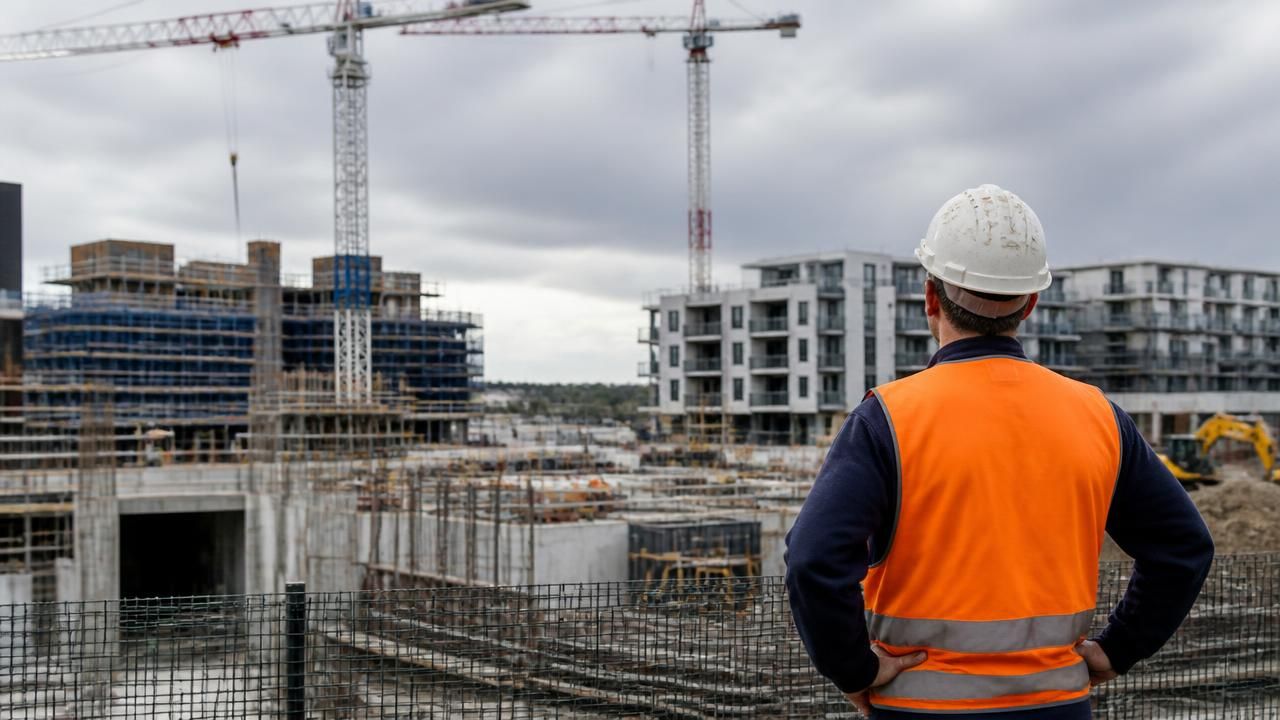
The group's portfolio spans over 20 active projects in New South Wales, Queensland, and Victoria, including high-rise apartments, detached housing estates, and a major logistics park in western Sydney. Valuations have reportedly dropped by 15-25% across these assets since the projects were initially financed.
“The market has shifted dramatically,” noted property analyst Linda Tran of Melbourne-based Equities First. “Bathla's debt was written assuming construction cost inflation of 3-4% per annum. Actual inflation has been closer to 10-12%. That margin squeeze is fatal for leveraged developers.”
Impact on Private Credit
The crisis has already sent ripples through the private credit industry, which manages over A$100 billion in Australian assets. Several non-bank lenders have seen their shares decline on the ASX, and new financing for construction projects has virtually dried up.
Regulators are investigating whether Bathla's financial reports adequately disclosed its liquidity risks. Meanwhile, the Australian Securities and Investments Commission has announced a broader review of private credit lending practices.
“Private credit has been the funding engine for Australian real estate for the past five years,” said financial historian Dr. Andrew Kimball. “If Bathla forces a major revaluation write-down, many smaller funds could struggle to meet redemption requests, triggering a liquidity crunch.”
What Happens Next
The next two weeks will be critical. The administrators are expected to present a revised deed of company arrangement or seek court approval for a managed wind-down. Key decisions will include whether to complete partially built projects—which could cost an additional A$1.2 billion—or sell them off in as-is condition.
Bathla's founder, Rajesh Bathla, has remained silent since the collapse, though an earlier statement from his lawyers indicated he was “cooperating fully” with administrators. Legal sources suggest he may face lawsuits from creditors alleging insolvent trading.
Broader Economic Stakes
With the Australian housing market already under pressure from high mortgage rates and record household debt, the Bathla episode raises fears of a credit contraction that could stall new housing supply. The government has pledged to build 1.2 million new homes by 2029, but industry leaders argue that without a stable construction financing environment, that target is unachievable.
For now, creditors can only wait. The stopgap funding has bought 14 days of hope—but in the high-stakes world of insolvency, hope is often the most expensive commodity.