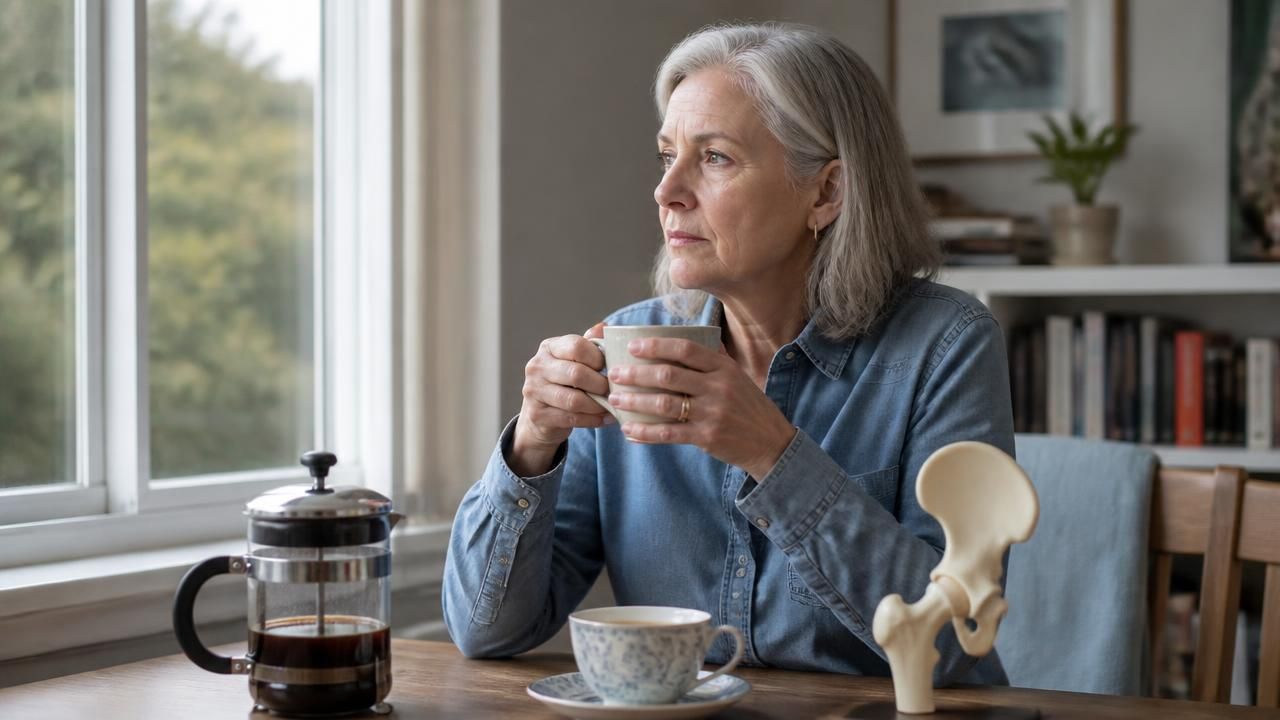
A new study adds to the evidence that too much coffee might come at a cost to bone health—particularly for older women. Researchers who followed nearly 10,000 older women for 10 years found that drinking more than five cups of coffee per day was associated with lower hip bone density, while tea consumption appeared to offer a slight protective benefit.
A decade of data on bone density
The research, covered by Science Daily, Medical News Today, PhillyVoice, and other health outlets, tracked postmenopausal women for ten years. The findings indicate that moderate coffee consumption—up to a few cups a day—did not seem to harm bones. However, those who consumed more than five cups daily showed lower bone density. In contrast, women who regularly drank tea had slightly higher hip bone density than those who did not.
Different outlets emphasized different angles. Some headlines declared that drinking tea instead of coffee may be better for your bones, while others focused on the broad theme of dietary factors in bone health. Healthline, for example, pointed to ultra-processed foods as another potential culprit, even in younger adults. This diversity in coverage reflects a growing body of research on how everyday dietary choices affect skeletal strength.
Why would caffeine affect bones?
Scientists have long suspected a link between caffeine and calcium loss. Caffeine can increase urinary calcium excretion, albeit temporarily, and overdoing it could, in theory, leave bones more fragile. This mechanism is dose-dependent, which may explain why moderate coffee consumption was not harmful in the study.
Tea, by contrast, contains a range of biologically active compounds, including flavonoids and phytoestrogens, that some researchers believe may support bone remodeling. Although the absolute differences in bone density were modest, the pattern held after adjusting for age, weight, smoking, and other variables.
Beyond coffee: other nutritional and environmental threats
The latest findings arrive amid a broader conversation about bone health in the modern world. As Healthline reported, high consumption of ultra-processed foods appears to be detrimental to bone health even in younger adults. Sugary holiday beverages, too, have been flagged for their potential to harm bones through metabolic effects.
Even carbonated water has periodically been suspected of weakening bones, but Harvard Health and Medical News Today have clarified that the bubbles themselves do not cause calcium loss. That misconception likely stems from older studies linking colas—which contain phosphoric acid—to lower bone density. Plain sparkling water, they note, is a healthy choice.
Microplastics and the skeleton
In a more unsettling twist, WIRED recently reported research suggesting that microplastics may accumulate in human bones and potentially contribute to fragility. While preliminary, that research underscores just how many environmental factors may impact skeletal health.
Does coffee help or harm beyond bones?
Coffee's effects extend far beyond the skeleton. Harvard Health has noted that coffee may have cardiovascular benefits, and moderate consumption is generally recognized as safe. But the same institution has also reported that very high intake could be associated with increased dementia risk. These contrasting headlines show that the dose and individual health profile matter.
Meanwhile, the long-held fear that coffee stunts growth in young people remains a myth, as Healthline recently explained. For most adults, caffeine in moderation is not obviously dangerous—but habitual overconsumption may tip the scales.
What should older women do?
For those concerned about osteoporosis, a condition that affects millions globally, the study provides a practical starting point:
- Keep coffee intake below five cups daily; around three cups is considered safe for most, especially with adequate calcium.
- Swap some coffee for tea, which may offer a modest bone benefit.
- Ensure sufficient calcium and vitamin D from diet or supplements.
- Minimize ultra-processed snack foods, sugary drinks, and excessive alcohol.
- Stay physically active with weight-bearing exercise to support bone density.
Individuals with prior fractures or known low bone mass should talk to their doctor before changing habits.
The bottom line
This latest study of nearly 10,000 older women reinforces a simple but useful message: when it comes to coffee and bones, moderation matters. Heavy consumption is linked to lower bone density, while tea appears to be a safe—and perhaps even beneficial—alternative. The story does not end with caffeine, but the cumulative evidence suggests that paying attention to the whole diet, including processed foods and environmental contaminants, is essential for keeping bones strong over a lifetime.
As research continues to evolve, clarifying the nuances of beverage consumption and skeletal health, one thing is certain: there is no single magic bullet. A varied, balanced diet; adequate nutrients; and a healthful lifestyle remain the cornerstone of osteoporosis prevention.