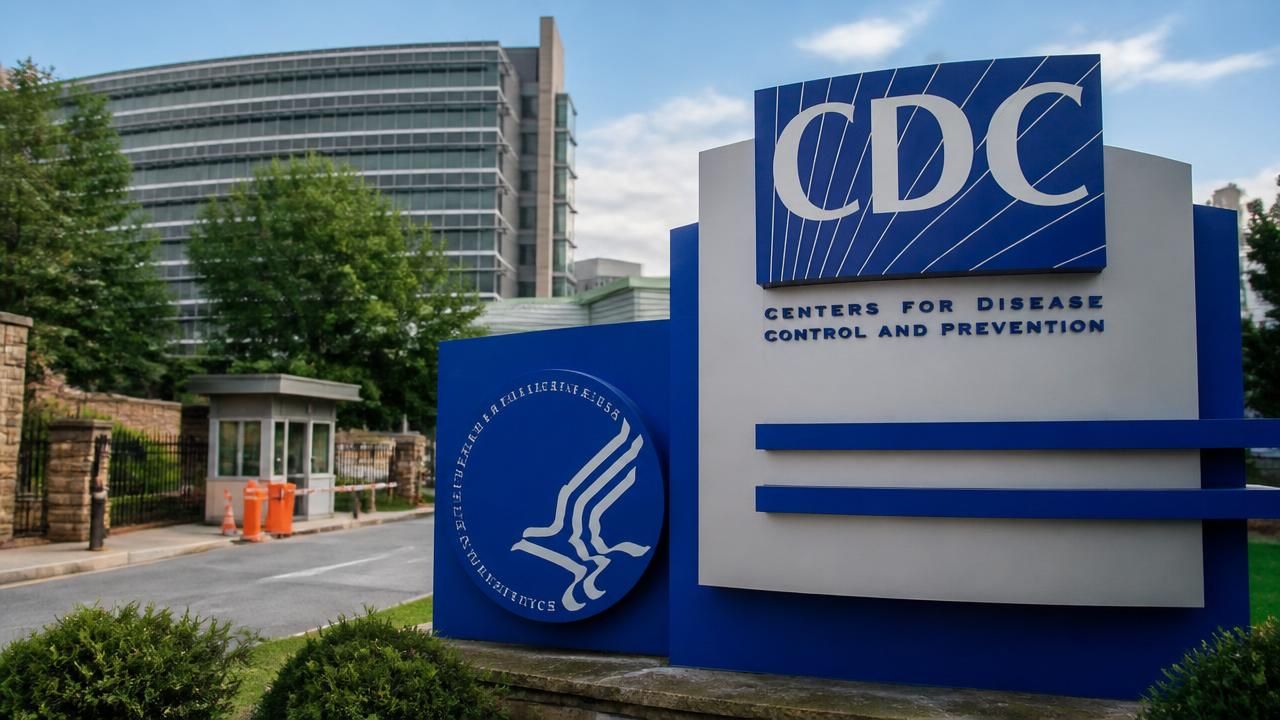
The Centers for Disease Control and Prevention has quietly removed two measles deaths reported by Pennsylvania health officials from its national surveillance data — an extraordinary break from precedent that has triggered alarm among doctors, scientists, and former public health leaders. The deletions, first reported by The New York Times and The Washington Post, come as the United States grapples with more than 1,100 confirmed measles cases in just two months and vaccination rates continue to fall.
CDC’s Extraordinary Data Reversal
Between August 29 and August 30, the CDC’s measles surveillance page told two opposite stories. At 2:33 p.m. on August 29, the chart listed total measles deaths for 2026 as “0.” The next day at 12:09 p.m., it read “2,” with a note acknowledging that “health departments make determinations about measles-associated deaths and share relevant information with CDC.” By 3:23 p.m., the chart had been changed again — this time back to zero, with the two deaths deleted entirely and a new disclaimer: “At this time, available information does not establish whether measles caused or contributed to the deaths or whether the individuals died from other causes while infected with measles.”
The decision was attributed to the CDC’s new director, Dr. Erica Schwartz, who has been in the job less than a month. According to The New York Times, Schwartz personally ordered the statement. The move flouts a long-standing public health principle: states, not the CDC, have final authority over case and death determinations, and the CDC has historically deferred to their reporting.
“Health departments make determinations about measles-associated deaths and share relevant information with CDC,” read the note that briefly appeared on the CDC website before being removed.
Pennsylvania Doctors Push Back
Pennsylvania physicians, who had reported the two fatalities to the CDC, reacted with disbelief and anger. Dr. John Smith, a Philadelphia-area infectious disease specialist, told reporters: “I’ve lost trust in the CDC. These were real patients, real families, and real deaths. To have the federal government second-guess our work without any new evidence is unconscionable.” Health officials in Pennsylvania have stood by their determinations, and the state’s Department of Health has continued to list both deaths as measles-related.
The dispute is not merely academic. Public health experts point out that accurate mortality data are essential for tracking the severity of an outbreak, allocating resources, and communicating risk to the public. If states’ reports can be overridden for political reasons, they argue, the integrity of the entire national surveillance system is at risk.
Outbreak Numbers Worsen
The data fight is unfolding against a grim backdrop. The U.S. has now recorded more than 1,100 measles cases in the last two months, according to CNN. Florida is in the grip of its worst surge in decades, with 156 cases reported, and Utah has seen more than 600 people sickened in an outbreak linked to declining vaccination rates. In February, a child in Texas became the first U.S. measles death since 2015.
The CDC’s own data on vaccination paint a troubling picture. Kindergarten vaccination rates have dropped again for the second consecutive year, leaving more children vulnerable to a virus that was declared eliminated in the U.S. in 2000. The World Health Organization warns that global progress against measles is being threatened by gaps in immunization coverage — a warning that now feels painfully relevant at home.
RFK Jr.’s Role and Controversies
Health and Human Services Secretary Robert F. Kennedy Jr. has repeatedly questioned the accuracy of measles case counts and death reports, suggesting without evidence that some fatalities may be unrelated to the virus. His stance has drawn sharp criticism from former CDC directors and scientists, including Dr. Tom Frieden, who titled a recent essay “Measles is Winning. It Doesn’t Have to Be This Way.”
Kennedy also faced a contentious House hearing on his proposed HHS budget cuts, where protesters were tackled by security. Former CDC officials told senators that Kennedy wanted the agency to “rubber stamp” his decisions, and documents suggest he has long sought to dismantle vaccine policy. Under his leadership, the CDC has announced research into a widely debunked link between vaccines and autism, and his advisory panel has made controversial changes to the childhood vaccine schedule.
Public health groups, including the Union of Concerned Scientists, have accused Kennedy of “incompetence that is costing kids’ lives.” Meanwhile, three studies cited by Kennedy and his allies to justify vaccine policy shifts are facing renewed scrutiny for methodological flaws, according to The Guardian.
Scientists and Doctors Raise the Alarm
The scientific community is rallying around the importance of vaccination and the dangers of measles itself. The American Society for Microbiology emphasizes “immune amnesia” — the virus’s ability to wipe out immune memory, leaving survivors vulnerable to other infections for years. Dr. Celine Gounder, a physician and former Biden administration advisor, wrote that “the damage is already done” at the CDC, even as a permanent director is sought.
“Measles is one of the most contagious pathogens known to humanity,” Gounder noted. “It requires vaccine coverage above 95% to be contained. We are falling below that threshold in many communities, and the consequences are playing out in real time.”
What’s Next?
The deletion of the Pennsylvania deaths raises urgent questions about the CDC’s independence and the future of public health data. Congressional Democrats have demanded an explanation from HHS, and Pennsylvania’s governor has vowed to fight the decision. For now, the agency’s website lists zero measles deaths for 2026 — a number that many health officials believe is simply not true.
As the outbreak continues to spread, doctors on the front lines say the most important remedy is restoring trust in science and vaccination. But with federal officials openly challenging state data and undercutting public health guidance, that trust is growing harder to rebuild.
In the words of Dr. Tom Frieden, a former CDC director: “Measles is a disease that we can and must eliminate. It doesn’t have to be this way. But it will take leadership, not denial.”