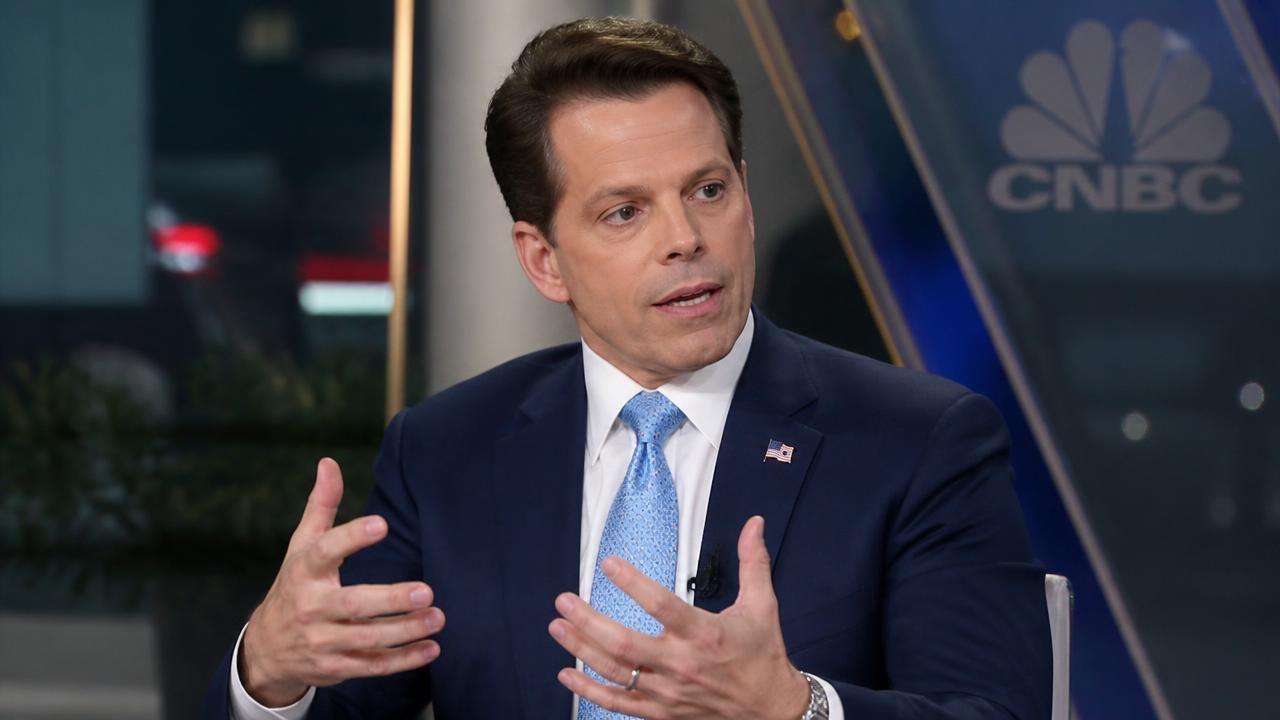
In a candid interview that aired on CNBC's Squawk Box, Anthony Scaramucci, the founder of SkyBridge Capital and former White House communications director, opened up about the public downfall that followed his 11-day tenure in the Trump administration. His reflections come as the New York Times publisher has separately called on President Donald Trump to reconsider his anti-media rhetoric — a reminder of the broader tensions between the press and the presidency that Scaramucci's own story vividly illustrates.
The shortest tenure
Scaramucci was appointed White House communications director on July 21, 2017, and fired just 11 days later. His ouster came after an expletive-laden interview with The New Yorker's Ryan Lizza, in which Scaramucci lashed out at colleagues and made crude remarks. The episode became a defining moment of the early Trump presidency and a cautionary tale about power, ego, and the perils of unchecked ambition.
In the recent interview, Scaramucci described how the firing forced him to confront his own flaws. 'I had to look in the mirror,' he said. He spoke about the role of pride and ego in his downfall, noting that he had allowed his own sense of importance to cloud his judgment. The experience, he explained, was humbling but ultimately transformative, prompting him to reevaluate his career and personal values.
'The only way through a mistake is to own it and face it head-on,' Scaramucci said.
That philosophy has guided his subsequent efforts to rebuild. Since leaving Washington, Scaramucci has returned to SkyBridge Capital, authored a book, and become a prominent political commentator on television. He has also sought to rehabilitate his image, openly acknowledging the missteps that led to his firing and using them as lessons for others.
Facing failure
In the CNBC interview, Scaramucci delved into the emotional aftermath of his dismissal. He admitted that his ego had made him vulnerable, and that the public nature of his failure made it even more difficult to bear. Yet, he argued, true resilience requires confronting one's mistakes rather than hiding from them. 'If you want to grow, you have to be willing to be uncomfortable,' he said.
His reflections resonate in a business culture that often celebrates success but rarely offers a playbook for recovering from very public failure. Scaramucci's story, however, has become a case study in humility and reinvention. He now speaks openly about the importance of empathy and self-awareness in leadership, acknowledging that those qualities were lacking during his time in the White House.
Key takeaways from his reflection:
- Ego can be a dangerous driver of decision-making.
- Owning a mistake publicly is essential to overcoming it.
- Rebuilding a career requires patience, humility, and a willingness to learn.
- Public failure can be reframed as a foundation for personal growth.
A separate warning
Just as Scaramucci was sharing his story on CNBC, a separate news development underscored the ongoing friction between the Trump administration and the media. The New York Times publisher, Arthur Sulzberger Jr., made a renewed appeal to President Trump to temper his anti-media rhetoric. Sulzberger, who had met with Trump the previous year to express concerns, reiterated that such language poses a threat to press freedom and, ultimately, to the health of American democracy.
Sulzberger's statement was widely reported, including by MPR News, and it served as a counterpoint to Scaramucci's personal mea culpa. While Scaramucci's remarks were introspective, Sulzberger's were a forward-looking defense of the institutional press. Together, these two threads illustrate the complex role that money, power, and media play in American public life.
The intersection of personal and political
The Scaramucci and Sulzberger stories may seem disparate, but they are linked by the same underlying dynamic: the relationship between public officials and the journalists who cover them. Scaramucci's downfall was directly tied to his hostile interactions with a reporter, while Sulzberger's plea addressed the broader consequences of demonizing the press. Both narratives point to a critical question: how should public figures navigate accountability in an era of intense media scrutiny?
Scaramucci's own transformation suggests that even those who have been at odds with the media can change. He has acknowledged that his now-infamous tirade was a terrible mistake and has apologized for the language he used. In doing so, he has gained a measure of respect from some former critics, who see his willingness to confront his own failure as a sign of growth.
Broader implications
For business leaders and aspiring public servants, Scaramucci's story is a reminder that the line between personal ego and professional duty can be dangerously thin. His experience shows that a single lapse in judgment can undo a lifetime of achievements, but also that redemption is possible if one is willing to do the hard work of self-examination.
Meanwhile, Sulzberger's warning is a reminder that the tensions between public officials and the press are not merely personal; they affect the very fabric of democratic accountability. When leaders vilify the media, they erode public trust in institutions and create an environment where misinformation can thrive. Scaramucci's own journey, from media antagonist to reflective commentator, offers a glimmer of hope that such divisions can be bridged.
As the 2020 election cycle approaches, these issues remain as pressing as ever. Scaramucci's reflections, broadcast to a national audience on CNBC, and Sulzberger's advocacy for press freedom both serve as important touchstones for understanding the intersection of personal failure, public service, and the media - a landscape that Scaramucci, once its critic, now views with a far more sober perspective.