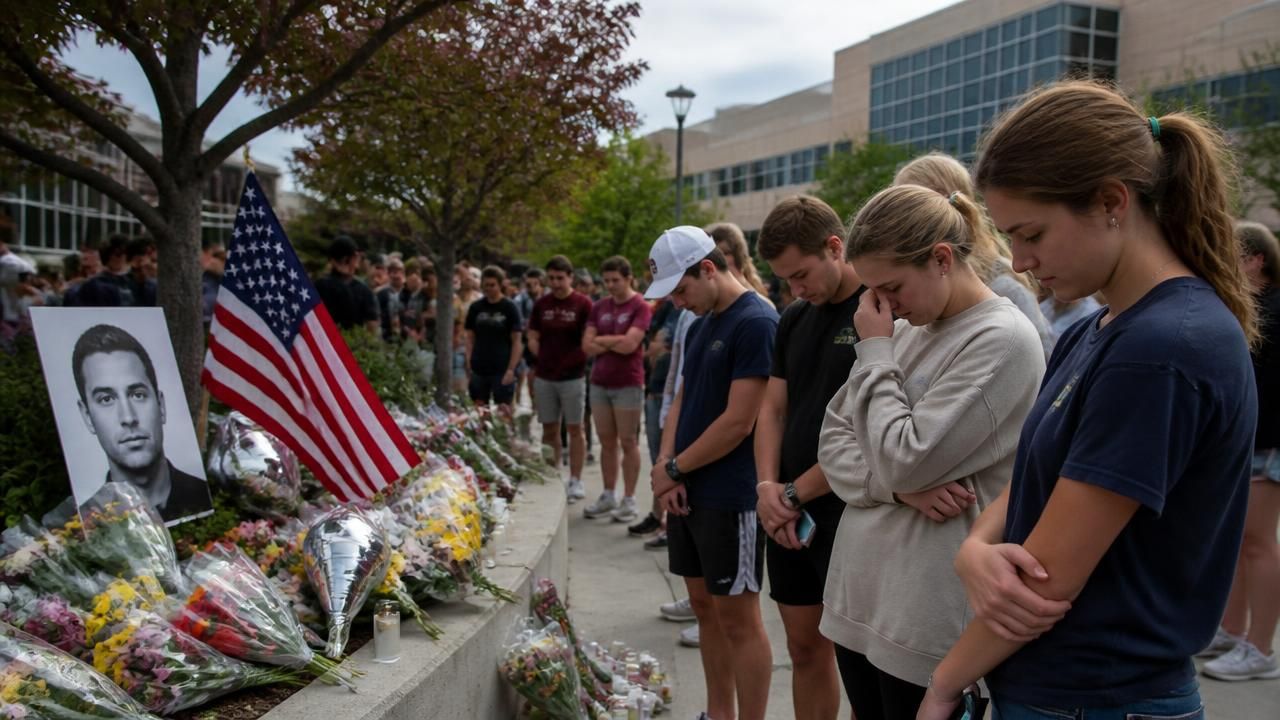
The fatal shooting of conservative commentator Charlie Kirk at Utah Valley University has sent shockwaves through the political world and left a community grappling with trauma. Nearly 200 witnesses have now applied for state-funded victims' benefits, according to reports from NPR and the New York Sun, even as law enforcement continues its manhunt for the killer.
Kirk, a charismatic right-wing activist known for his fiery campus debates and leadership in youth conservative movements, was shot and killed during what authorities described as a public event on the university's campus. The single gunshot, captured in multiple videos that quickly spread online, has been described by the Los Angeles Times as revealing "a single shot" that ended the life of a polarizing but influential figure.
The Shooting
The incident occurred at Utah Valley University, where Kirk was scheduled to speak. Witnesses reported that the event was crowded, with hundreds of students and community members in attendance. According to NPR, "Kirk's assassination was witnessed by thousands in person and even more as video spread online." The sheer scale of exposure has led to an unprecedented wave of trauma-related claims.
"Kirk's assassination was witnessed by thousands in person and even more as video spread online." — NPR
While the shooting itself has been classified as a homicide, authorities have not yet released details about a suspect. The New York Times reports that a "manhunt continues for the killer" and that federal and local law enforcement agencies are working jointly to track down the individual responsible.
Witnesses and the Toll on Mental Health
The aftermath has been particularly challenging for the hundreds of people who directly witnessed the killing. According to KUER, "Hundreds of witnesses to Charlie Kirk’s death have filed for Utah victim benefits." The Utah Office of Victims' Services has confirmed that nearly 200 applications have been submitted, primarily from students who were present at the scene.
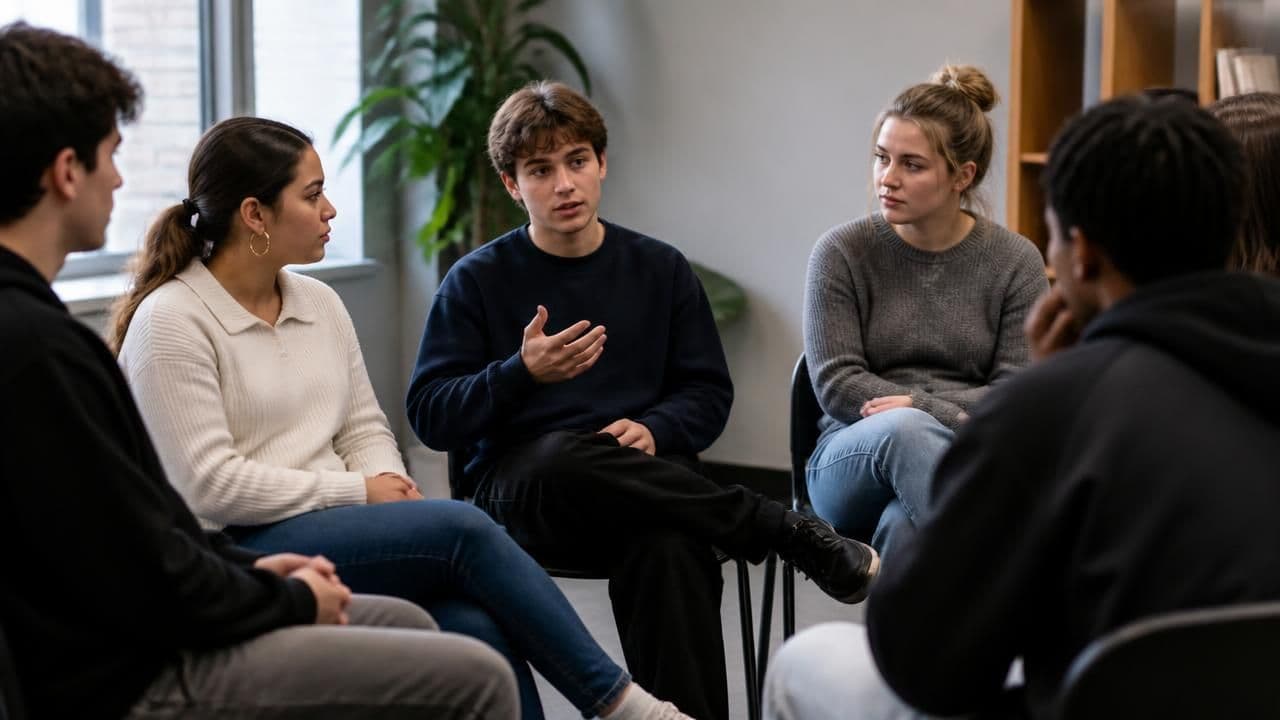
These benefits include state-funded mental health counseling and other support services. The New York Sun reports that "nearly 200 Utah students were awarded state-funded mental health benefits after witnessing Charlie Kirk's murder." This marks one of the largest distributions of victim compensation for a single incident in the state's history, highlighting the psychological impact of gun violence on large crowds.
"The trauma of witnessing an assassination is not limited to physical harm," said Dr. Elena Rodriguez, a trauma psychologist at the University of Utah. "For many, the experience is comparable to surviving a mass casualty event. The brain processes the shock, fear, and grief in ways that can lead to PTSD, anxiety, and depression."
The Manhunt
Law enforcement has released limited information about the suspect. Officials have described the shooter as a lone gunman who fled the scene immediately after the attack. The FBI has joined the investigation, and a national alert has been issued. The manhunt has focused on the surrounding region, with drones and tactical teams searching the mountainous terrain near the university.
Kirk, who had debated twice at Politicon in Pasadena — including a notable 2017 and 2018 sparring match with progressive commentator Hasan Piker — was no stranger to controversy. However, his friends and supporters insist that political differences should never have led to violence.
"This is a dark day for free speech and civic discourse," said a spokesperson for Turning Point USA, the organization Kirk founded. "Charlie believed in engaging with ideas, not bullets. Our thoughts are with his family and all those who witnessed this horrific act."
Videos and Public Reaction
The graphic nature of the videos circulating online has raised ethical questions. The Los Angeles Times report, "A single shot: What horrifying videos reveal about killing of Charlie Kirk," examines how the footage has both aided the investigation and exacerbated the trauma. Some platforms have attempted to remove the videos, but copies continue to spread.
Experts warn that repeated exposure to such content can compound psychological harm. "We are seeing a new phenomenon where mass witnessing is amplified by social media," said Dr. Mark Chen, a media psychologist. "Every view of the video becomes a secondary exposure to violence, potentially creating a circle of trauma that extends far beyond the immediate witnesses."
Political and Social Implications
Kirk's death has reignited debates about political polarization and gun violence in America. While the shooter's motive remains unclear, many public figures have called for unity. Senators from both parties issued statements condemning the violence, and a moment of silence was held on the Senate floor.
The cultural significance of Kirk's career cannot be overstated. From his early days as a college activist to his debates at Politicon, he became a symbol of youth conservatism. His assassination, captured in real time, marks a dark milestone in the ongoing struggle over free expression and public safety.
What Happens Next?
As the manhunt continues, the application process for victim benefits will remain open. Utah officials have promised to expedite mental health services for those affected. Meanwhile, the university has canceled classes for the week and is providing on-site grief counseling.
The broader conversation about how society supports witnesses of violence is only beginning. With nearly 200 people already applying for benefits, the case may serve as a model for future responses to public tragedies.
The investigation remains active. Authorities are urging anyone with information to come forward, emphasizing that even the smallest detail could help bring the killer to justice. For now, a community mourns, a nation watches, and the search for answers continues.