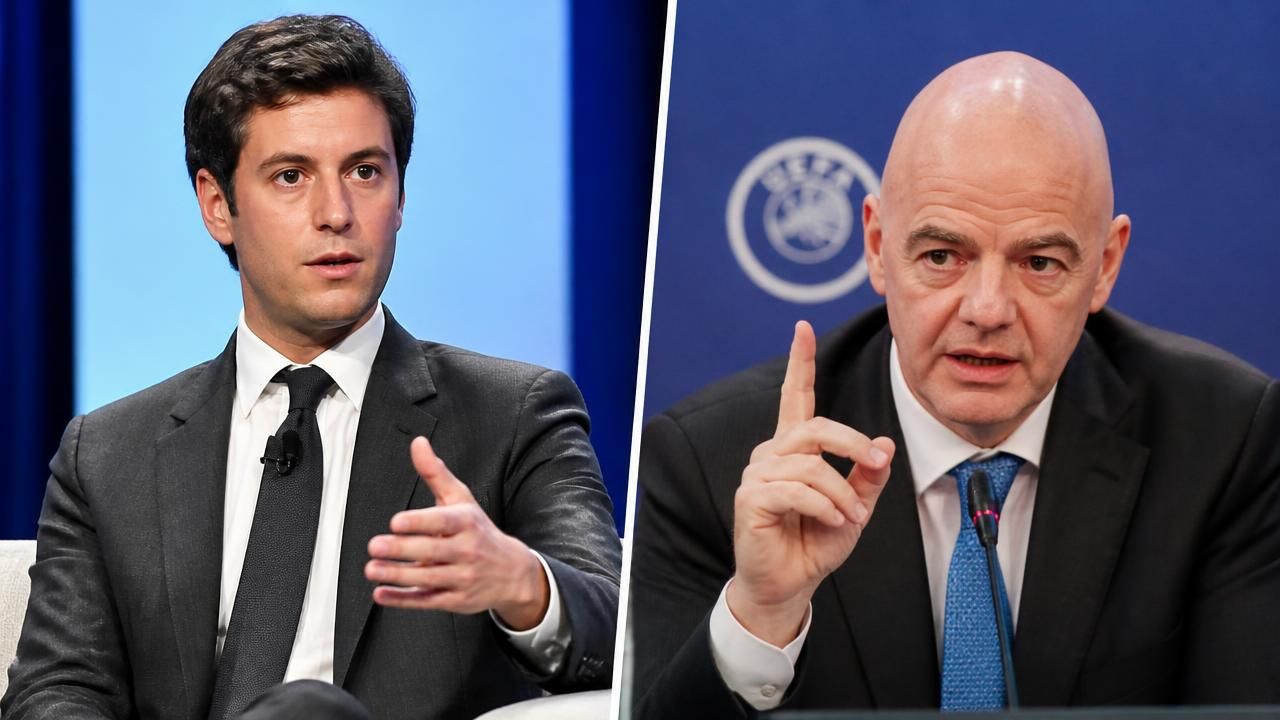
The audacious plan to sell off stakes in the World Cup has imploded, and now the fallout is turning legal. Joshua Kushner, the venture capitalist at the center of the proposed $20 billion private investment deal, has publicly expressed regret over his involvement, while UEFA is escalating its fight with criminal complaints against FIFA president Gianni Infantino.
In a rare public statement, Kushner said he would not have gotten involved had he known the fierce reaction from the football world. The deal, which would have granted private investors a share of future World Cup commercial rights, was scrapped last week following a European boycott threat and global outrage.
A $20 Billion Idea Collapses
The proposal, first reported in August 2026, would have seen FIFA sell minority stakes in a new entity holding the commercial rights to the men's and women's World Cups. Sources familiar with the negotiations told multiple outlets that the deal was valued at around $20 billion, with Kushner's investment firm Thrive Capital among the leading bidders.
FIFA presented the plan as a way to unlock long-term revenue and grow the sport globally. But European football federations, led by UEFA, reacted with fury, arguing that selling off the World Cup's commercial rights to private equity would undermine the integrity of the sport and concentrate power in the hands of wealthy outsiders.
“Football is not for sale,” said one UEFA official involved in the resistance, speaking on condition of anonymity. “The World Cup belongs to the fans and the national associations, not to hedge funds.”
UEFA threatened to organize a boycott of the 2026 World Cup, and several national associations signaled they would refuse to participate. The pressure quickly became untenable, and FIFA quietly shelved the plan, blaming a “lack of consensus” among stakeholders.
Kushner's Regret and Recrimination
In an interview with BBC Sport, Kushner broke his silence, saying he regretted the way the proposal was handled.
“If I had known how the football world would react, I would never have gotten involved,” Kushner said. “This was a well-intentioned effort to bring private capital into the sport, but it was caught in a power struggle between FIFA and UEFA.”
Kushner, the brother of Jared Kushner and a prominent Democratic donor, acknowledged that the plan had been poorly communicated. He blamed what he called “football's institutional infighting” for the collapse, suggesting that the deal could have benefited the global game if given a fair hearing.
The comments drew a sharp response from critics. “Kushner is trying to rewrite history,” said a senior European football executive. “This wasn't a misunderstanding; it was a greedy power grab that treated the World Cup like a corporate asset.”
UEFA's Legal Offensive
UEFA is not content with the plan's collapse. According to NBC News and CBS Sports, the European governing body is preparing a criminal complaint in Swiss courts against Infantino and, potentially, Kushner. The complaint is expected to allege abuse of office, mismanagement, and breach of fiduciary duty over the way the deal was negotiated.
Swiss prosecutors have not yet confirmed receipt of the complaint, but the move escalates a bitter personal feud between Infantino and UEFA President Aleksander Čeferin. The two have clashed repeatedly over FIFA's governance and financial practices.
Legal experts say the case could be an uphill battle. “Criminal liability for failed business negotiations is rare in Switzerland,” said Dr. Isabelle Moret, a professor of sports law at the University of Lausanne. “But if there is evidence that Infantino secretly negotiated terms that enriched himself or his allies, it could be a different matter.”
What's Next for FIFA?
The scandal is a major blow to Infantino, who had championed the investment plan as a cornerstone of his legacy. The FIFA president now faces the prospect of Swiss criminal proceedings, adding to his already contentious relationship with European football.
Meanwhile, the World Cup continues, but the controversy has cast a shadow over the tournament. Merchandising and sponsorship deals are under increased scrutiny, and fans have expressed confusion over the proposed changes.
The episode also highlights the growing influence of private capital in global sports. As traditional broadcast revenues face pressure from streaming, football's governing bodies are increasingly turning to investors. But as this case shows, those moves can trigger fierce resistance from those who see the sport as a public trust.
Framing the Story
Different outlets have taken distinct angles on the saga. BBC's coverage has centered on Kushner's regret, portraying him as a reluctant participant caught in a sports-politics feud. NBC News, by contrast, leads with the criminal complaint, framing the story as a legal attack on Infantino's leadership. CBS Sports emphasizes the joint legal action against both Kushner and FIFA, suggesting a broader crackdown on financial irregularities.
The divergence reflects the complexity of the story: it is at once a business deal gone wrong, a political battle within football's highest echelons, and a legal drama with potentially far-reaching consequences for sports governance.
For now, the $20 billion question remains unanswered: Who, if anyone, will be held accountable? And what does this mean for the future of global football financing?