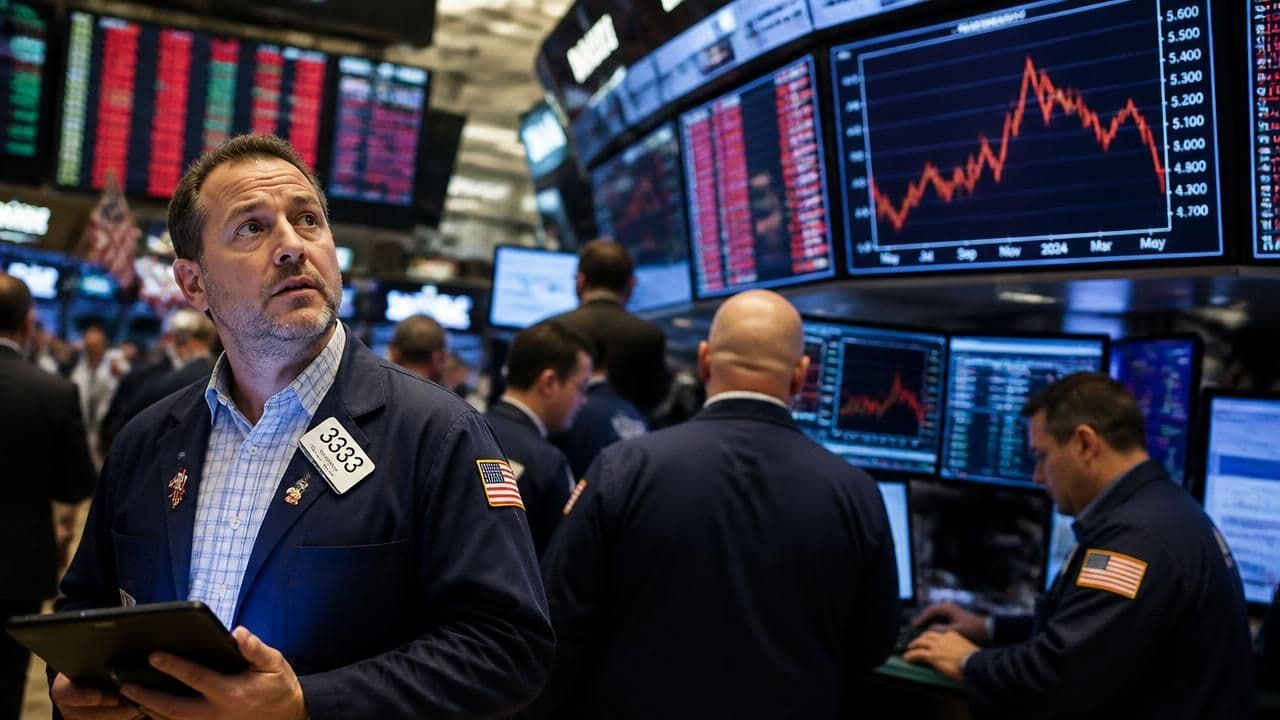
The European Central Bank is navigating one of its most delicate policy moments in recent memory, as a wave of inflation data from major eurozone economies sends conflicting signals to Frankfurt. From soaring prices in Spain and France to cooling core pressures in Germany and Italy, the numbers have left economists and markets divided over the ECB's next move.
Inflation Surprises: A Split Screen in the Euro Area
Bloomberg reported that Spanish inflation surged to more than double the ECB's 2% target, while France's reading exceeded expectations. Prices also jumped in Italy, reinforcing the case for another rate increase.
"An ECB rate hike is now all but nailed on," said Paul Hollingsworth, head of developed market economics at BNP Paribas.That hawkish bet was echoed in a Reuters poll showing euro zone inflation ticking up in July, boosted by energy prices and the tail-effects of the war in Iran.
Yet a different narrative emerged from other corners. A separate Reuters article, citing fresh data, said that inflation cooled in the euro zone's biggest economies, easing the urgency for a hike. The Luxembourg Times went further, noting that French and Spanish inflation undershot forecasts, backing the case for ECB rate cuts. Haver Analytics commented that though the EMU inflation rate continues low, the pace of decline may be deescalating—suggesting the disinflationary process is losing momentum.
The Spanish Exception
Spain has become the epicenter of the inflation debate. Bloomberg's alarming headline—"Spanish Inflation Soars to 10% as ECB Gears Up for Hikes"—painted a stark picture. However, MSN pointed out that the Spanish economy is also a renewables powerhouse, making it less vulnerable to oil shocks, and its Q2 GDP doubled forecasts. That resilience complicates the usual trade-off between inflation and growth: Madrid faces high prices, but the economy is still expanding at a healthy clip. ING, meanwhile, warns that Spain's housing market is set to cool this year, adding another wrinkle to the policy calculus.
The ECB's Delicate Dance
The Guardian confirmed that the ECB has already raised its benchmark rate to 4.25%, the highest in over two decades. The New York Times, in a 2023 report, noted that while the ECB raised rates again, markets perceived the escalation as nearing its end. That tension—between hawkish headlines and dovish expectations—has persisted into 2026.
According to the ECB's own Economic Bulletin Issue 2/2026, the institution remains focused on bringing inflation back to target without triggering a recession. The May 2025 Financial Stability Review highlights increasing vulnerabilities in the financial system, from real estate to sovereign debt. A separate ECB study on inflation differentials in the euro area underscores that the one-size-fits-all monetary policy carries real risks: Spain and France are experiencing very different price dynamics than Germany or Italy.
Geopolitics and Global Shocks
Morningstar's coverage highlighted the impact of the Iran war on inflation expectations, posing the question: "Eurozone Inflation Rises Amid Iran War—but Will the ECB Raise Rates?" The conflict has injected fresh uncertainty into energy markets, complicating the ECB's communication strategy. The central bank must weigh these supply-side shocks against the risk of crushing demand with overly aggressive rate moves.
The Leadership Question
Reuters added a political dimension: "How to boost EU competitiveness? Choose a German ECB chief." The upcoming leadership change at the ECB is seen as pivotal. Markets and member states are jostling over whether the next president will be a hawk or a dove, which could reshape the trajectory of monetary policy for years to come.
Market Reactions and Distributional Effects
In currency markets, the euro softened against the British pound despite rising expectations of ECB hikes, as FXStreet reported. That puzzling move reflects broader concerns about the euro area's growth outlook relative to the UK. On the streets of Madrid and Paris, consumers are feeling the squeeze; meanwhile, the ECB is also monitoring the effectiveness of the Next Generation EU programme—its flagship fiscal package—as a tool to boost long-term competitiveness.
What Comes Next?
The conflicting signals leave the ECB at a crossroads. Will it follow the data, as some suggest, and hike again? Or will it pause to assess the lagged effects of previous increases? The stakes are high. As Paul Hollingsworth put it, the hike seems "all but nailed on"—but in a fast-moving economic and geopolitical environment, the only certainty is uncertainty.
For now, investors should watch three key indicators:
- Core inflation trends in Germany and France, as they are more sensitive to domestic demand.
- Energy prices and the evolution of the Middle East conflict.
- ECB communications, especially the internal debate between hawks and doves.
The Eurosystem's own research on inflation differentials suggests that imbalances are widening. The next few months will test whether the ECB can maintain its credibility as the guardian of price stability while also safeguarding the euro area's fragile recovery.