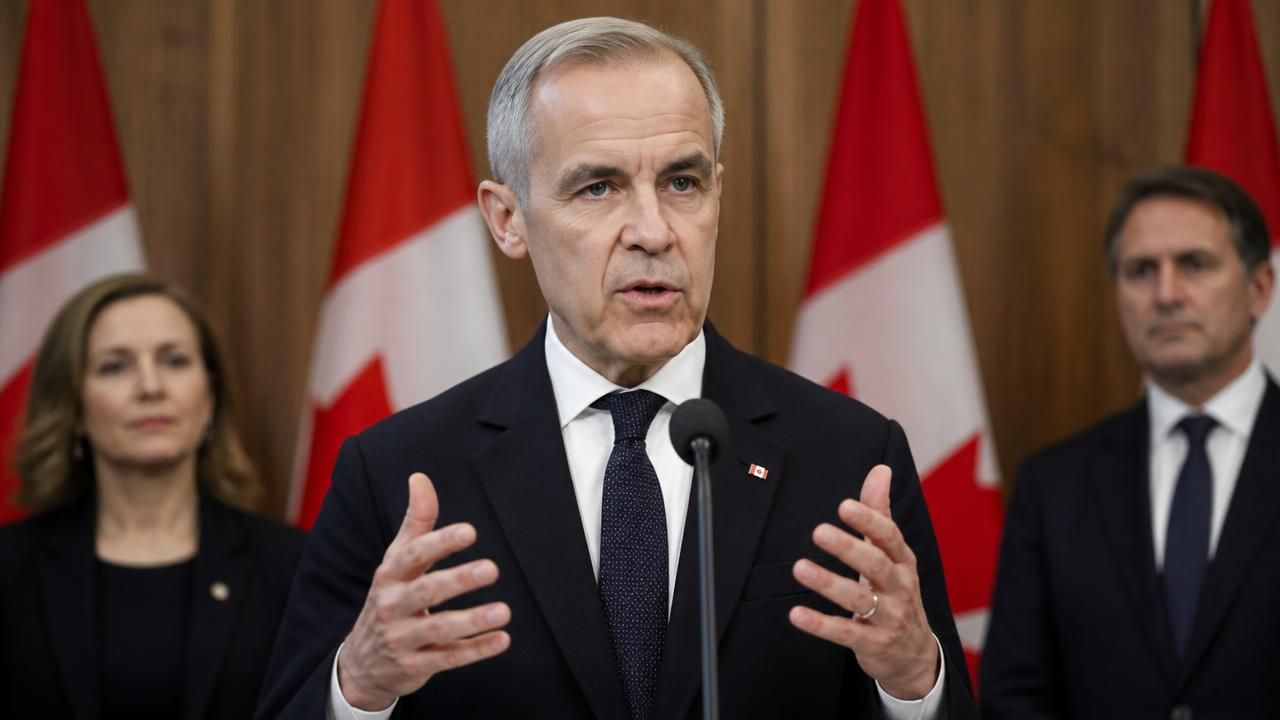
In a decisive escalation of cross-border trade tensions, Canada has announced retaliatory tariffs against the United States, with Prime Minister Mark Carney declaring that Ottawa will match U.S. levies “dollar for dollar.” The move, confirmed by multiple outlets on Aug. 25, marks the latest chapter in an increasingly bitter trade war between the two longtime allies.
Canada Strikes Back
Speaking to reporters, Carney said the United States had effectively “attacked” Canada with tariffs, and that Canada was ready to respond in kind. “We will not back down,” he said, according to MSN. “Our countertariffs will mirror the U.S. actions dollar for dollar, protecting Canadian workers and industries.”
“The U.S. has attacked Canada with tariffs,” Carney said. “We are ready to respond, and we will do so in a measured but forceful way.”
The announcement follows weeks of escalating rhetoric and punitive measures from Washington, reportedly initiated under President Donald Trump’s renewed trade agenda. Canada’s countermeasures, first reported by NPR, are designed to hit American goods across a broad spectrum, from agricultural products to manufactured goods.
The Trade War Trajectory
The current conflict has its roots in long-standing disputes over steel and aluminum tariffs, dairy access, and digital services taxes. In recent months, the Trump administration imposed new tariffs on Canadian exports, prompting Ottawa to prepare a carefully calibrated response. Canada’s action is seen as a direct counter to those measures, and the “dollar for dollar” approach signals a deliberate strategy of symmetrical retaliation rather than escalation for its own sake.
Economists warn that the escalating dispute could disrupt deeply integrated supply chains and raise consumer prices on both sides of the border. The U.S. is Canada’s largest trading partner, and Canada is among the top markets for U.S. exports, with billions of dollars in goods crossing the border daily. Retaliatory tariffs threaten to upend industries from automotive manufacturing to agriculture.
How the Media Framed the Escalation
- NPR highlighted the “dollar for dollar” symmetry, emphasizing Canada’s measured and calculated response.
- Politico and WJCT used more aggressive language—“hits back” and “strikes back”—suggesting a counteroffensive against U.S. aggression.
- NBC News placed the story in a broader news context, pairing it with the battle over mail-in ballots and Dolly Parton’s passing, reflecting the day’s multiple major developments.
- MSN focused on Carney’s forceful rhetoric, with headlines quoting his use of the word “attack” and his promise of retaliation.
Implications and Reactions
The tariff retaliation is likely to have far-reaching consequences. Analysts suggest that the “dollar for dollar” approach could lead to a prolonged standoff, with both sides unwilling to back down. Carney’s remarks indicate Canada is prepared for a long struggle, but also open to negotiation. “We are ready to respond if Trump tariffs hit,” he said, signaling a willingness to escalate or de-escalate depending on U.S. actions.
The business community has expressed concern, with manufacturers on both sides bracing for higher costs and supply chain disruptions. Canadian businesses that rely on exports to the U.S. face an uncertain autumn, while American consumers could see price increases on goods ranging from lumber to maple syrup. Political observers note that Carney’s tough stance represents a shift in Canada’s traditionally measured approach to trade relations, reflecting a new assertiveness on the world stage.
As the situation develops, all eyes will be on Washington’s next move. Will President Trump double down or seek a resolution? For now, Canada has made its position clear: it will meet escalation with escalation, dollar for dollar.
Remembering Dolly Parton
Amid the trade turmoil, the world also mourns the loss of country music legend Dolly Parton, who died at the age of 80. Parton, known for timeless hits like “Jolene,” “9 to 5,” and “I Will Always Love You,” built a career spanning six decades and became a beloved cultural icon far beyond the Nashville scene. Her philanthropy, including the Imagination Library that mailed free books to millions of children, cemented her legacy as a force for good. The news was carried by NPR and NBC, reminding audiences of her enduring impact on music and society.
Parton’s passing adds a somber note to a day already charged with geopolitical tension, serving as a reminder of the cultural ties that bind the U.S. and Canada, even as political divisions deepen. Her music, which often explored themes of love, resilience, and humanity, resonates on both sides of the border, offering a moment of unity in the midst of conflict.
As Canada and the U.S. navigate this rocky chapter in their relationship, the memory of Dolly Parton’s goodwill and her ability to bridge divides may serve as a gentle counterpoint to the harsh rhetoric of trade wars.