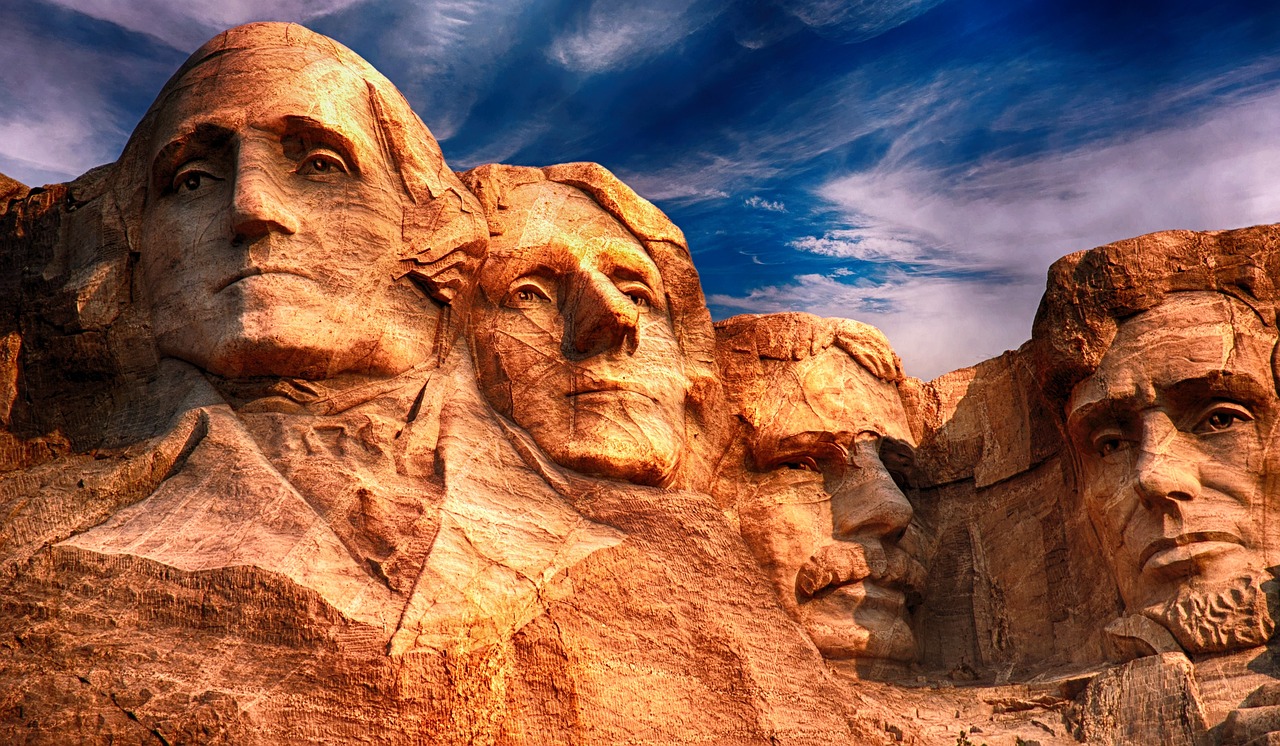
President Donald Trump marked the start of America's 250th anniversary celebrations with a fiery speech at Mount Rushmore on July 3, 2020, blending patriotic themes with stark warnings about a 'communist menace' and attacks on political opponents. The address, delivered against the backdrop of the iconic monument, broke with the tradition of nonpartisan Independence Day speeches by past presidents, drawing sharp reactions from both supporters and critics.
A Shift in Tone
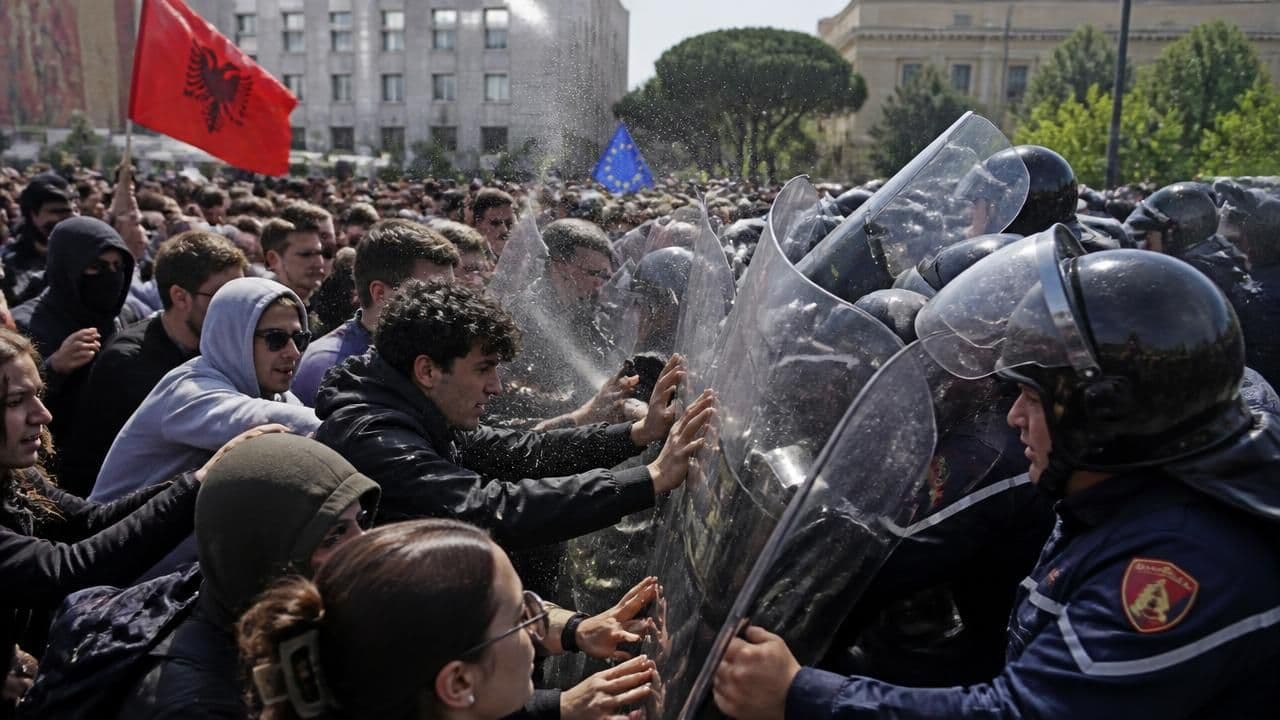
Trump's speech, which aired on national television, began by hailing American exceptionalism and the nation's founding ideals. However, it quickly veered into dark territory. According to NPR, the president warned that 'a far-left fascism' was trying to 'crush the American way of life,' and he accused protesters of engaging in 'a merciless campaign to wipe out our history.' The New York Times described the speech as 'darkly political,' noting that Trump used the occasion to rail against the 'new far-left fascism' and to threaten military action against demonstrators.
'We are here to deliver a message to the American people: This is not who we are,' Trump said, referencing the destruction of statues and monuments. 'We will never allow an angry mob to tear down our statues, erase our history, or indoctrinate our children.'
Warnings of 'Communist Menace'
Multiple sources, including MSN and Yahoo News, highlighted Trump's repeated references to a 'communist menace.' The president claimed that 'a left-wing cultural revolution' was threatening to 'erase America's heritage.' This language echoed his campaign rhetoric and drew criticism from those who saw it as divisive. The Kokomo Tribune reported that Trump's speech was a sharp departure from the unifying messages typical of July 4th addresses, instead focusing on grievances and threats.
Historical Context
Mount Rushmore, a symbol of American democracy and history, has rarely been the site of overtly political speeches. Past presidents, including Franklin D. Roosevelt and Ronald Reagan, used the venue to call for national unity. Trump's address, however, came amid nationwide protests over racial injustice and police brutality, as well as a contentious election season. The decision to hold the event at Mount Rushmore also raised environmental concerns, as the National Park Service approved a fireworks display despite fire risks and the presence of endangered species.
Climate and Controversy
Adding to the drama, an extreme heat wave was bearing down on the region, with temperatures exceeding 100 degrees Fahrenheit. MSN noted that the sweltering conditions complicated celebrations and raised health concerns for attendees. Meanwhile, local tribal groups protested the event, arguing that the Black Hills, where Mount Rushmore is located, were stolen from the Lakota people. The contrast between Trump's message of American greatness and the ongoing tensions over land rights and racial justice was stark.
Political Reactions
Reactions to the speech were polarized. Supporters praised Trump for defending American history and standing up to 'cancel culture.' Critics, including Democratic presidential candidate Joe Biden, accused the president of exploiting a national holiday for political gain and of stoking division. The New York Times quoted historians who noted that Trump's speech was unprecedented in its overt partisanship, with one saying, 'It was less a celebration of the nation than a campaign rally.'
Implications for 2020 Election
The Mount Rushmore speech is seen as a preview of Trump's campaign strategy for the 2020 election, which will center on law and order, patriotism, and a battle against leftist ideologies. By framing the election as a choice between American greatness and socialist decay, Trump aims to energize his base. However, the divisive tone may also alienate moderate voters. The speech's focus on 'communism' and 'mob violence' reflects a broader effort to tie his opponents to radical movements, a tactic that has drawn both support and condemnation.
Conclusion
Trump's Mount Rushmore address was a defining moment in the nation's 250th anniversary celebrations, blending tradition with controversy. While it reinforced his core message of American exceptionalism, the dark warnings and political attacks marked a departure from the apolitical tone of past presidents. As the nation moves toward the November election, the speech underscores the deep divisions that characterize American politics today. Whether it will rally support or deepen polarization remains to be seen, but it has certainly set the stage for a contentious campaign season.