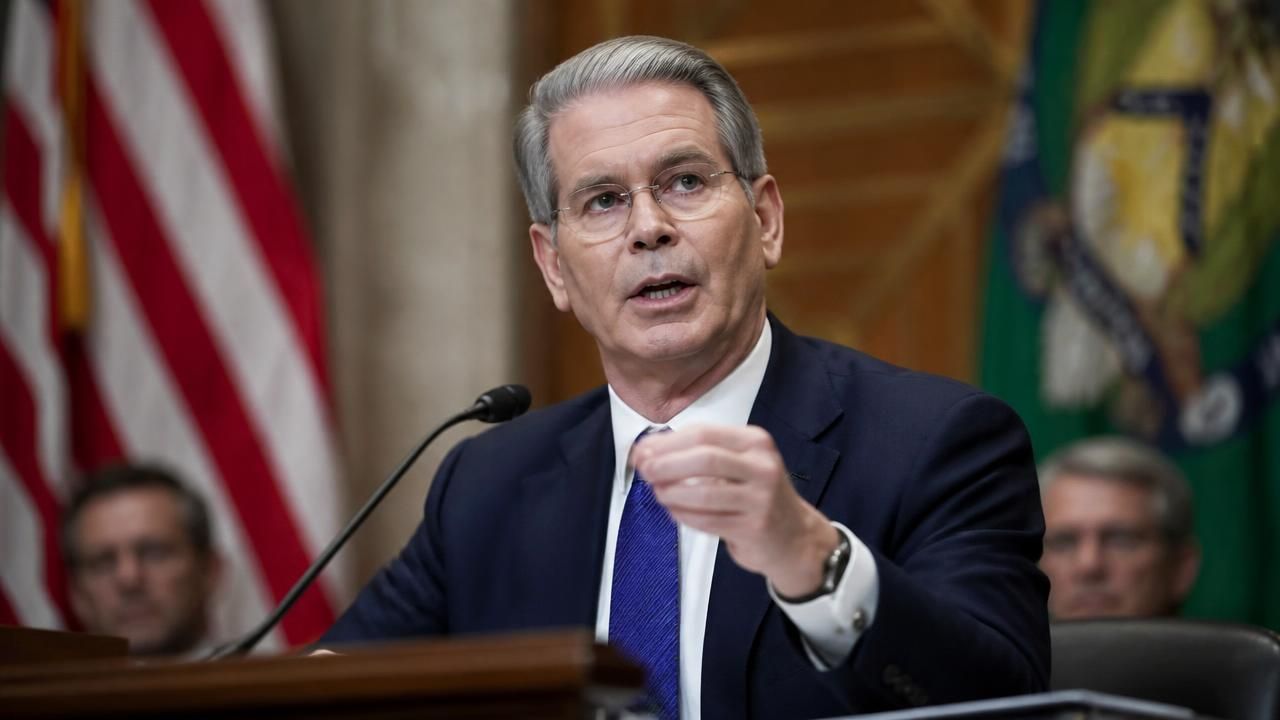
In a significant shift in debt management strategy, Treasury Secretary Scott Bessent is reportedly prepared to expand the department's bond buyback program even further after already doubling it, with officials eyeing the nearly $1 trillion Treasury General Account (TGA) to fund the purchases. The move, aimed at lowering long-term yields and reducing escalating borrowing costs, sent Treasury yields lower on Monday as investors braced for a key keynote address by Federal Reserve Governor Kevin Warsh at the Jackson Hole economic symposium.
The Buyback Strategy: What Changed?
According to a CNBC report citing two senior departmental officials, the U.S. Treasury could draw down some of its cash pile to fund buybacks of higher-yielding older securities, a tactic Bessent has championed as a way to "steady" the bond market. The Treasury doubled its buyback operations just one day before Bessent signaled he was ready to boost them further, with sources indicating that purchases could exceed $4 billion. This marks a notable acceleration from the program's initial modest scale, which was revived in recent years after a two-decade absence as a tool for managing the government's debt profile.
Tapping the Treasury General Account
At the heart of the strategy is the Treasury General Account—the government's primary checking account—which has swelled to near $1 trillion. By using these funds to repurchase older, higher-coupon bonds, the Treasury can effectively reduce the average interest rate on its outstanding debt without turning to new borrowing. "It's a form of liability management," said one market strategist. "If you have cash sitting idle, using it to buy back expensive debt is a rational move." However, officials stressed that any drawdown would be carefully calibrated to maintain a prudent cash buffer for fiscal operations.
Market Reaction: Yields Fall as Jackson Hole Looms
The announcement reverberated through fixed-income markets, with Treasury yields declining as investors interpreted the move as a direct effort to cap long-term borrowing rates. The yield on the benchmark 10-year Treasury note fell back from recent highs, reflecting renewed demand. Yet the broader mood remained guarded, as all eyes turned to Kevin Warsh, the Federal Reserve governor expected to deliver a keynote address at the annual Jackson Hole symposium. Warsh, a known hawk on inflation, has been at the center of bond-market jitters, and his remarks could either reinforce or unwind the easing sentiment triggered by Bessent's buyback news.
Skepticism: A 'Deck Chair Trade'?
Not everyone is convinced. In a sharp rebuke, Seeking Alpha analysts described the doubling of the buyback program as "just a deck chair trade," arguing that repurchasing bonds does little to resolve the underlying fiscal imbalances driving yields higher.
"This is cosmetic at best. The Treasury is effectively shuffling its debt portfolio while the real problem—persistent deficits and a structurally elevated term premium—remains untouched."Such criticisms echo concerns from some former Treasury officials that buybacks, while useful at the margin, cannot substitute for credible deficit reduction or a coherent monetary policy framework.
Implications for Borrowing Costs and Policy
For the average American, the stakes are tangible. Lower Treasury yields translate into cheaper mortgages, corporate borrowing, and eventually lower costs across the economy. But they also raise questions about financial repression—the idea that the government is artificially suppressing yields to ease its own debt burden at the expense of savers and investors. Moreover, tapping the TGA carries risks: depleting the cash buffer could expose the government to cash-flow disruptions if revenue or spending patterns shift unexpectedly.
Key developments to watch include:
- The size and scope of the next buyback auction, with expectations that it will exceed $4 billion.
- Whether Bessent signals further expansions in upcoming speeches or testimony.
- The level of the TGA, as frequent draws could draw scrutiny from rating agencies.
- Kevin Warsh's Jackson Hole remarks, which may influence the Fed's willingness to tolerate lower long-term yields.
Ultimately, Bessent's aggressive use of buybacks represents a bet that proactive debt management can smooth the waters in a turbulent market. Yet as investors sift through the details, the question remains: is this a genuine solution or merely rearranging deck chairs on a ship still taking on water? The coming weeks—and Warsh's speech—will provide the next clues.