Australia's largest lithium producer, PLS Group Ltd., delivered a bullish outlook for the battery metal on the back of a projected supply shortfall over the coming years, while simultaneously advancing plans to expand its capacity. The announcement, made alongside its full-year results, comes amid a dramatic surge in ASX-listed lithium stocks—some up more than 300%—as global energy security concerns accelerate the shift toward electrification.
A Supply Gap in the Making
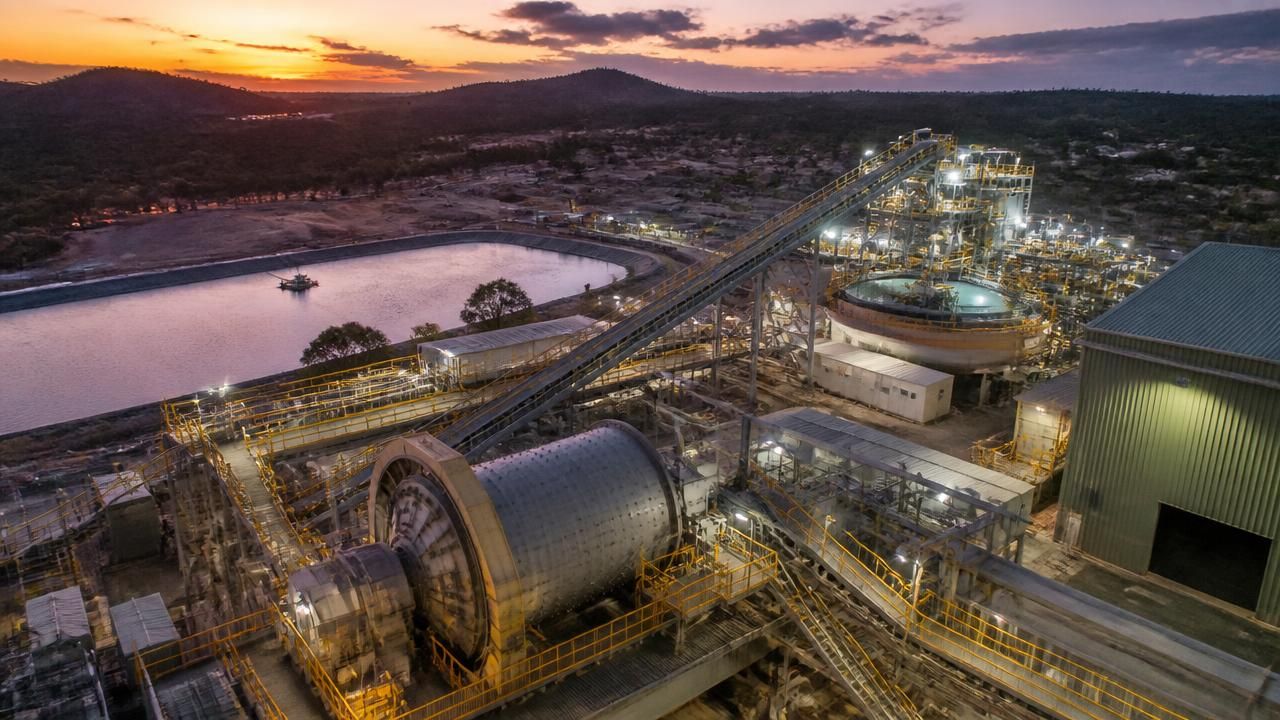
PLS Group, which operates one of the world's leading hard-rock lithium mines in Western Australia, told investors that the market is heading for a significant supply deficit as demand from electric vehicle (EV) and energy storage supply chains continues to outpace new mine developments. According to Bloomberg Markets, the company explicitly flagged the shortfall and indicated that a final investment decision (FID) on expanding its existing operations is now imminent.
The company's full-year financial results showed robust performance, underpinned by strong spodumene sales and favorable pricing. Yet PLS leadership emphasized that the current supply pipeline is insufficient to meet the electrification targets set by governments and automakers worldwide. The firm's expansion project is seen as a critical step in bridging that gap, positioning PLS as a 'scaled survivor' in an increasingly competitive and consolidating sector.
“The world is not building enough lithium supply fast enough to meet the 2030 demand trajectory. Energy security is now a core driver of strategic policymaking, and lithium has become a mineral of national importance.” — PLS Group executive comments reported by Reuters.
Energy Security: A New Catalyst
Reuters noted that PLS Group is specifically tying demand growth to energy security concerns. Traditionally framed as an environmental imperative, the transition to EVs and renewable energy storage is now being reframed as a geopolitical and security imperative. Countries are competing to secure supply chains for critical minerals, with lithium at the forefront. This shift is reshaping how governments, utilities, and automakers approach procurement, leading to long-term off-take agreements and strategic investments in mining projects.
“Energy security concerns are driving demand growth far beyond what simple EV sales forecasts would suggest,” PLS management said, according to Reuters. This perspective is echoed by analysts who note that battery storage for power grids—not just cars—is becoming a major driver of lithium consumption.
ASX Lithium Stocks Explode
Meanwhile, the broader Australian lithium sector is experiencing a spectacular rally. According to MSN, several ASX lithium stocks have surged more than 300% over recent months, prompting investors to ask whether the momentum can continue. The rally is attributed to a combination of short-covering, improving market sentiment, and real supply concerns. Smaller explorers and mid-tier producers have benefited most from the risk-on appetite, while larger players like PLS have seen steady gains.
But the surge has also raised questions about valuation sustainability. Some market watchers warn that the rapid run-up may be ahead of fundamentals, especially if lithium prices plateau. Yet PLS's bullish stance, backed by its expansion plans, suggests that the company believes the cycle is turning toward those with scale, low costs, and a clear path to grow.
The 'Scaled Survivor' Narrative
Seeking Alpha coverage, while access-restricted, hints at a theme that has been echoed across financial media: the lithium cycle is turning in favor of 'scaled survivors'—companies with large, low-cost resources and strong balance sheets. PLS fits this bill. As smaller, higher-cost producers struggle to finance expansion in a volatile price environment, PLS can leverage its cash flows to fund growth, acquire assets, and secure long-term contracts.
Analysts suggest that the current supply gap will not be solved by a single company, but by a handful of major players. The industry is consolidating, with juniors either being acquired or left behind. PLS's near-FID on expansion positions it to capture a significant share of future demand growth, especially from Chinese and Korean battery makers who are keen to lock in supply.
Implications for the Global Energy Transition
The implications extend beyond shareholders. Lithium is a linchpin of the global energy transition. Without adequate supply, EV adoption could slow, battery prices could rise, and grid-scale storage projects could be delayed. PLS's caution about a supply shortfall aligns with forecasts from major consultancies predicting that lithium demand could outstrip supply by the late 2020s.
For policymakers, the situation underscores the need for streamlined permitting, investment in recycling, and diplomatic efforts to diversify supply chains. For the mining industry, it signals that the era of cheap, abundant lithium is over—replaced by a more strategic, security-driven marketplace.
The Road Ahead
PLS Group will now move toward the final investment decision, which could unlock a major expansion of its processing capacity. The company's results and projections will likely set the tone for the broader lithium sector in the coming months. Investors will be watching closely to see if the ASX lithium rally extends or retreats in the face of macroeconomic headwinds, such as interest rates and inflation.
In any case, the message from PLS is clear: the lithium market is tightening, energy security is a powerful demand driver, and scale is essential to survive the cycle. For Australia, the world's largest producer of lithium, this is both an economic opportunity and a strategic responsibility.
As the world races to decarbonize, the lithium industry finds itself at the center of a geopolitical and industrial transformation. PLS's bullishness reflects a broader reality: the supply shortfall is not just a forecast—it is already beginning to shape investment decisions, company valuations, and national energy strategies.