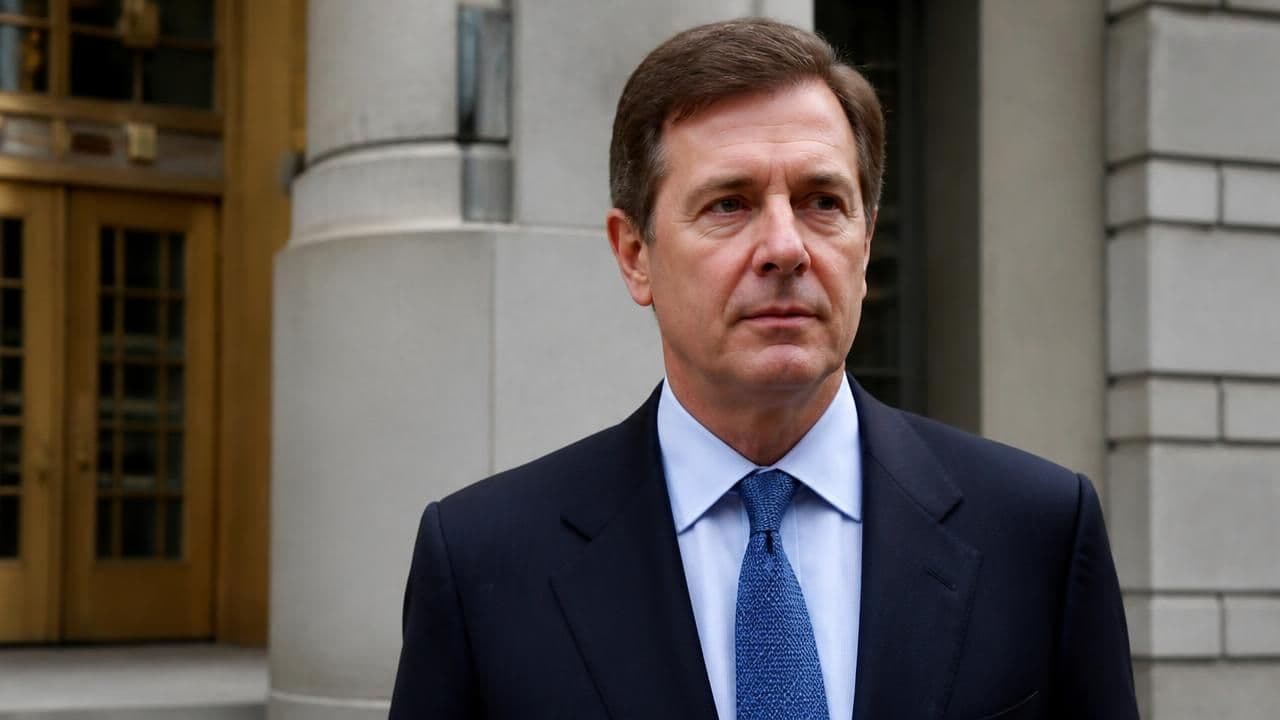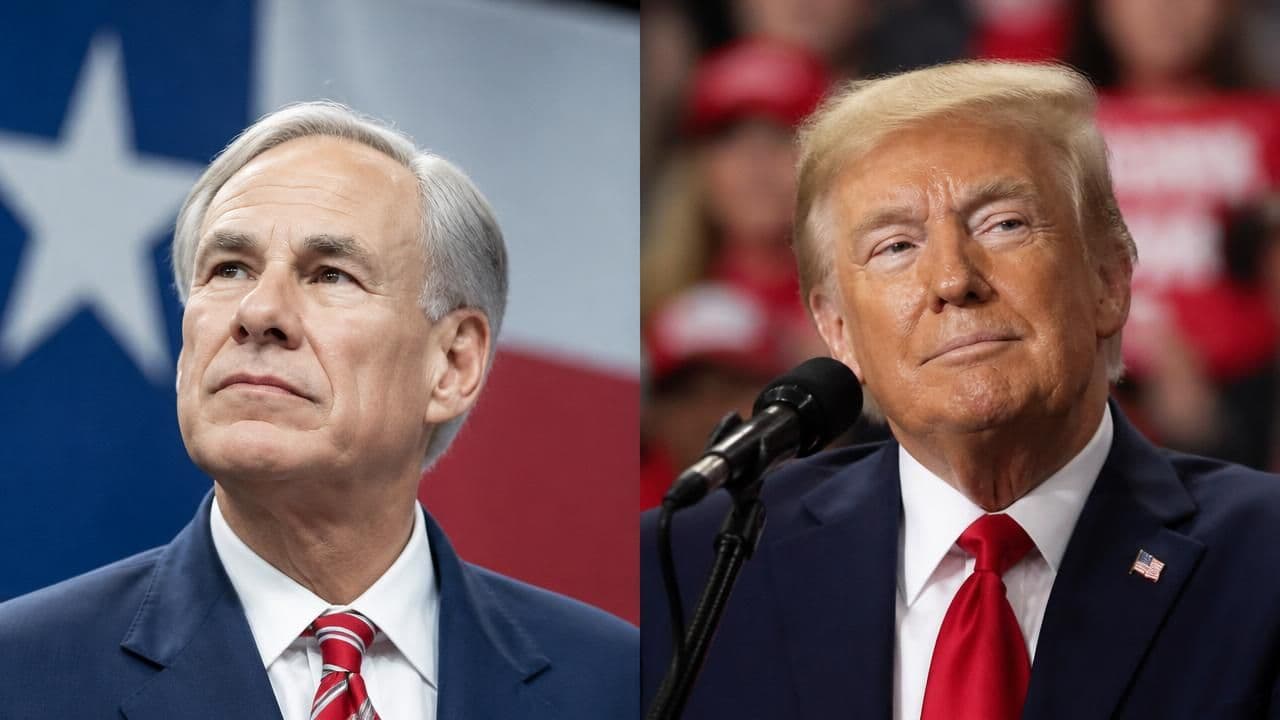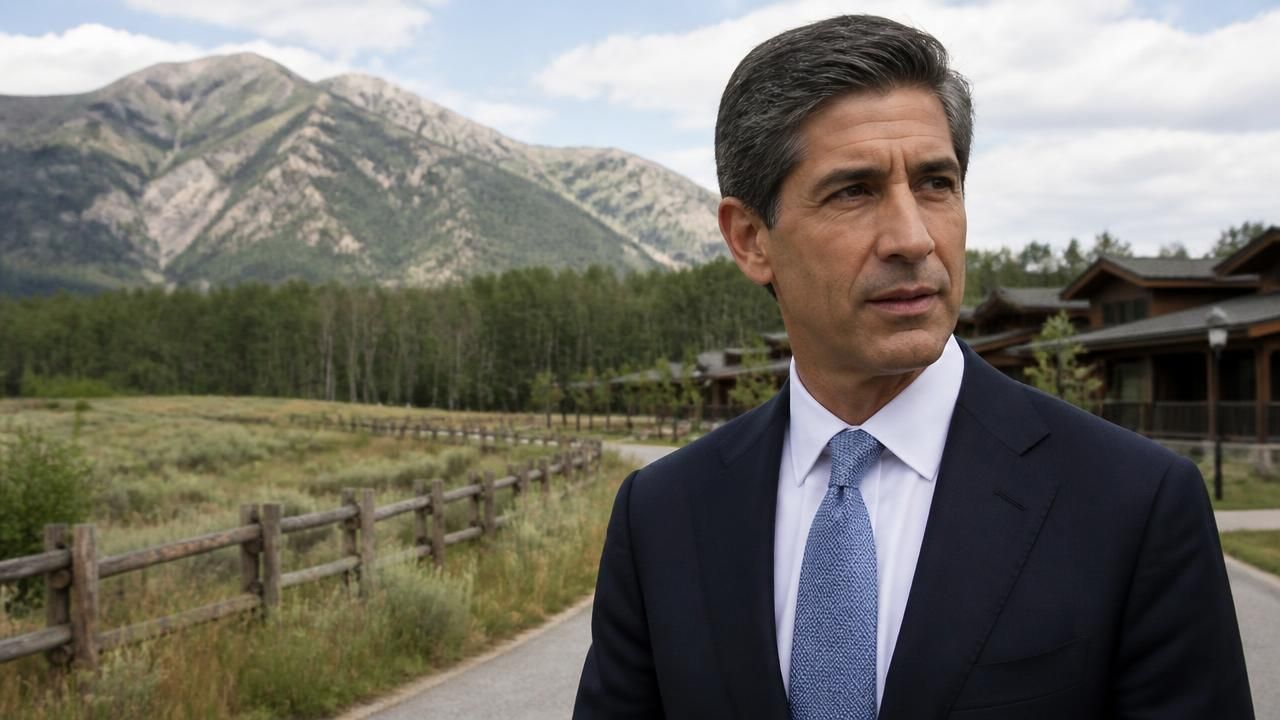
The Jackson Hole Economic Symposium is officially underway, and the financial world is holding its breath. All eyes are on Federal Reserve Chairman Kevin Warsh as he prepares to deliver his first annual address at the prestigious central-bank gathering. With inflation still running hot, a global bond selloff intensifying, and political pressure mounting on the Fed's independence, this year's symposium is shaping up to be one of the most consequential in years.
Bloomberg's previews set the tone: Joe Weisenthal, Lisa Abramowicz, Tracy Alloway, and Tom Keene noted that “all eyes will be on Fed Chairman Kevin Marsh and his first annual symposium address.” While the name in their broadcast was garbled, the message was clear: Warsh, a former Fed governor with a hawkish reputation, faces a crucible. The title of one Bloomberg segment put it plainly: “Warsh Faces First Big Test as Fed Chair.” Another asked whether the market is ready for “a Warsh Fed,” with strategist Jack Manley predicting that “we will continue to see dissent under Warsh Fed.”
Jackson Hole as a Market Risk
For many investors, the symposium has eclipsed even the most anticipated corporate events. Allspring's George Miletti told Bloomberg that Jackson Hole is a “bigger market risk than Nvidia,” pointing to the potential for a hawkish surprise that could disrupt rate-cut expectations. Evercore ISI echoed that caution, warning in a note cited by Investopedia that Powell's—or in this case, Warsh's—speech could “jolt markets” and potentially trigger a 15% drop in equities if he fails to strike a dovish chord. That stark warning has put traders on edge.
The anxiety is understandable. The past week has seen U.S. inflation data soften slightly, but the Federal Reserve remains committed to raising rates until price pressures are convincingly contained. Bloomberg's “Watch US Inflation Softens Ahead of Fed Data, Jackson Hole” suggests the latest CPI print offered some relief, but not enough to alter the central bank's trajectory. Meanwhile, bond yields have continued to climb, with the 10-year Treasury reaching multi-year highs. The release of the Fed minutes only added fuel to the fire, as investors parsed every word for clues about the pace of tightening.
The Policy Challenge: Inflation vs. Growth
The core dilemma facing Warsh is familiar: how to bring down inflation without tipping the economy into recession. A Bloomberg headline asks, “Fed Expected to Keep Raising Rates Until Inflation Cools,” and that expectation is firmly priced into markets. However, JPMorgan's Kim Crawford pushed back on the notion of an emergency inter-meeting cut, saying she sees “no need for inter-meeting Federal Reserve interest rate cut.” That comment underscores the tension: some market participants are hoping for a pivot, while the Fed's own communications suggest patience.
Economist Diane Swonk, a prominent Fed watcher, emphasized that “Fed independence and inflation” are the key themes for Jackson Hole. Her observation takes on added weight given the political environment. Reports from the Free Press indicate that the Department of Justice is probing Fed Governor Lisa Cook, with some urging her removal. While the details remain murky, the development highlights the encroachment of politics into the central bank's domain. Swonk's warning is a reminder that the Fed's credibility—and its ability to act independently—is on the line.
The “Amazon Effect” and Structural Headwinds
Beyond the immediate macro data, the symposium is also grappling with structural changes in the economy. A Bloomberg piece titled “'Amazon Effect' May Make Central Bank Job Harder: Jackson Hole” explores how e-commerce and technology are altering price dynamics, making it more difficult for central banks to gauge inflationary pressures. The rise of online retail has compressed margins and changed consumer behavior, complicating traditional models. This research, presented at the conference, suggests that even a skilled policymaker like Warsh will face unprecedented uncertainty.
The theme is timely. As new technologies reshape market structure, from algorithmic trading to decentralized finance, the Fed's toolkit may need to evolve. Another Bloomberg segment, “How New Technology Is Changing Market Structure,” delved into these shifts, asking whether the world's most powerful central bank is equipped to respond. These structural questions were already on the agenda before the immediate crisis of inflation, but they now feel more urgent.
What to Expect from the Address
So what should markets brace for? Bloomberg's coverage suggests Warsh will use the platform to reset expectations. One headline reads: “Powell Has Chance to Reset Market Expectations at Jackson Hole”—though the name is likely an error, the intent is clear. The chair could either reaffirm the Fed's hawkish stance or signal flexibility, depending on the latest data. Analysts are split: while some expect a more cautious tone, others predict Warsh will double down on the fight against inflation.
The hard road ahead was captured in another Bloomberg headline: “Fed's Jackson Hole Exposes Hard Road Ahead for Central Bankers.” The global economy is buffeted by supply-chain shocks, energy price spikes, and geopolitical tensions. A separate Bloomberg piece quotes former President Trump saying there's a “good chance of a deal with Iran” and that “Russia should make a deal with Ukraine,” suggesting that geopolitical forces could shift the inflation outlook, further complicating the Fed's job.
Historical Precedent
Jackson Hole has long been a stage for pivotal policy signals. In 2020, then-Chair Jerome Powell announced a major shift to average-inflation targeting. In 2010, Ben Bernanke hinted at QE2. This year, the context is different: the Fed is in the middle of one of the most aggressive tightening cycles in decades, and the bond market is revolting. For Warsh, a man known for his sharp critiques of quantitative easing, the irony is palpable. He now must steer a ship he once criticized.
The Bottom Line
The Jackson Hole Symposium is more than a talking shop; it is a barometer of central bank credibility. Warsh's speech will resonate through every asset class, from Treasuries to equities to cryptocurrencies. As Allspring's Miletti warned, the risk is real—perhaps bigger than any single earnings report. The market is listening, and the margin for error is thin.
“Jackson Hole is a bigger market risk than Nvidia,” said Allspring's George Miletti. That sentiment captures the mood perfectly.
With inflation still above target, a bond market in turmoil, and political interference looming, Warsh's debut at Jackson Hole will be a defining moment for his chairmanship. The world will be watching to see if he can navigate the hard road ahead.