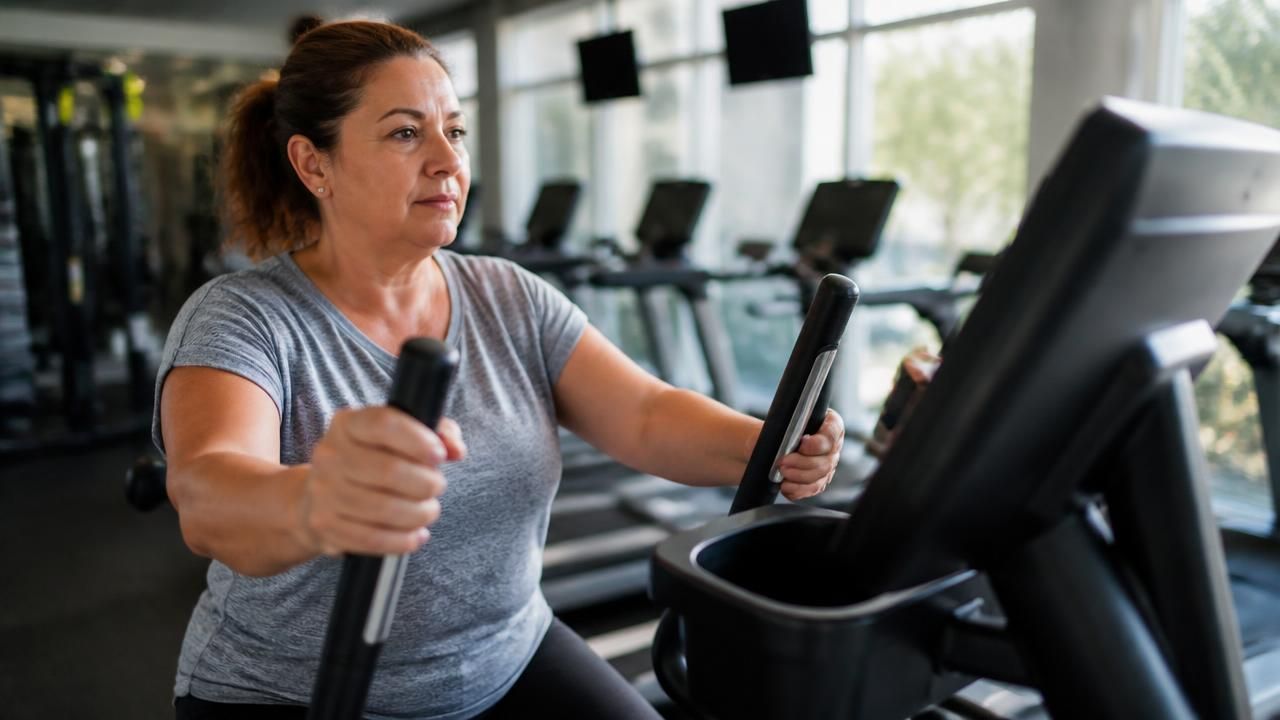
For decades, the weight-loss equation has been simplified to a choice between eating less and moving more. But a growing body of research—and a wave of new weight-loss medications—is rewriting that narrative. The answer, it turns out, depends on which phase of the journey you're in: losing weight is mostly about diet, while keeping it off is almost entirely about exercise. And for millions now using GLP-1 drugs, this distinction has never been more urgent.
The Science of Weight Loss: Diet First, Exercise Second
Exercise, on its own, is a surprisingly weak tool for shedding pounds. A landmark review in Vox summarizing over 60 studies found that the body compensates for extra physical activity by increasing hunger and reducing energy expenditure, making exercise alone an inefficient weight-loss strategy. The BBC Science Focus puts it bluntly: “Exercise won’t help you lose much fat. Changing this will”—the “this” being your diet.
Yet the same research reveals a critical counterpoint: exercise is the single strongest predictor of sustained weight loss. A report from Science Daily explains that while exercise may not be powerful for dropping pounds initially, it plays a much bigger role in preventing lost weight from returning. By preserving muscle, supporting metabolism, improving fat burning, and regulating appetite and blood sugar, regular activity makes long-term weight maintenance physiologically easier.
“Exercise may not be a powerful weight-loss tool on its own, but it appears to play a much bigger role in preventing lost weight from returning.” — Science Daily
Why Your Body Fights Back
The body is wired to resist weight loss. A New York Times investigation into The Biggest Loser contestants found that the body’s metabolism slows dramatically after rapid weight loss, and that hormonal changes drive hunger and cravings for years. This phenomenon, sometimes called the “fat trap,” explains why 80% of people who lose significant weight eventually regain it. The UCLA study “Dieting Does Not Work” adds that most dieters regain more than they lost within five years.
Strength training emerges as a key countermeasure. Harvard Health warns that losing weight often means losing muscle, which further slows metabolism. “Be careful not to lose muscle,” one headline advises. The National Institute on Aging emphasizes that resistance training helps older adults preserve muscle mass, making it essential for healthy, sustainable weight management.
The 8,500-Step Solution
For those looking for a concrete target, forget 10,000 steps. Recent research highlighted by Healthline and Everyday Health suggests that walking just 8,500 steps a day—roughly 4 miles—can help maintain weight loss. This aligns with advice from the American Council on Exercise and numerous experts who recommend consistency over intensity.
The GLP-1 Revolution and the Maintenance Crisis
The advent of drugs like Ozempic, Wegovy, and Mounjaro has transformed weight-loss treatment. But the same biological resistance that undermines diet-only weight loss also threatens patients who stop taking these medications. BBC News reports that “people coming off weight-loss injections risk fast weight gain,” and Orlando Health asks whether you have to stay on the drugs forever—the answer, for many, is “maybe not, but only if you change your habits.”
New data featured by Medical News Today shows that Wegovy patients maintained weight loss for four years while on the drug, but the moment they stop, hunger signals return with a vengeance. Harvard Health offers practical tips for weaning off GLP-1s: transition gradually, prioritize protein, and—crucially—ramp up structured exercise to compensate for the metabolic shift.
“The best way to come off weight-loss drugs without regaining fat is to build exercise into your routine before you stop.” — BBC Science Focus
GQ magazine raises a provocative question: “You’re on Mounjaro and the weight’s dropping off. Should you still work out?” The answer is a resounding yes—not for losing weight while on the drug, but for preserving muscle and creating a buffer against regain when the drug is discontinued. Healthline echoes this in its guide to maintaining weight after stopping Ozempic, Wegovy, or Mounjaro: diet may shrink you, but only exercise will keep you that way.
What Long-Term Maintainers Do Differently
Stories of people who lost 100 pounds or more—like the psychotherapist profiled by NBC News or the women featured by Prevention and Popsugar—share common threads. They don’t follow short-term diets; they build sustainable routines.
- Strength train at least twice a week to preserve muscle and metabolic rate.
- Move daily—whether walking 8,500 steps, cycling, or swimming—not just for burn but for appetite regulation.
- Stop counting calories and focus on whole foods, protein, and fiber, as Harvard recommends.
- Lose weight slowly—“slow but steady” wins the race, per Healthline.
- Treat maintenance as a lifelong project, not a finish line.
AARP’s 20 expert tips for weight loss after 50 stress the same fundamentals, while UCLA Health warns that dieting alone rarely works, and the ABC News analysis notes that the word “diet” itself has become toxic—what science actually supports is a permanent shift in eating patterns, not a temporary restriction.
From Weight Loss to Weight Management
The emerging consensus collapses the old binary. Yes, diet is paramount for losing weight: you cannot outrun a bad diet. But the metabolic adaptations that make weight loss so difficult are precisely why exercise becomes indispensable afterward. Muscle is metabolically active tissue; the more you have, the higher your resting energy expenditure. Exercise also improves insulin sensitivity and blunts the hunger hormone ghrelin, directly countering the “biggest loser” effect.
As the field moves toward a more integrated view, experts from Mayo Clinic, Harvard, and UCLA all land in a similar place: treat obesity as a chronic condition, combine nutrition and activity, and, in the era of pharmaceuticals, use drugs as a bridge—not a destination. The people who succeed long-term, like the women in Prevention, describe a daily commitment: “It’s a constant journey of reevaluating your diet and exercise routines.”
The science is clear: to lose weight, eat less. To keep it off, move more. And for anyone stepping off a GLP-1 drug, the evidence is equally clear: the exercise habit you build during weight loss is the strongest insurance policy against regaining every pound.