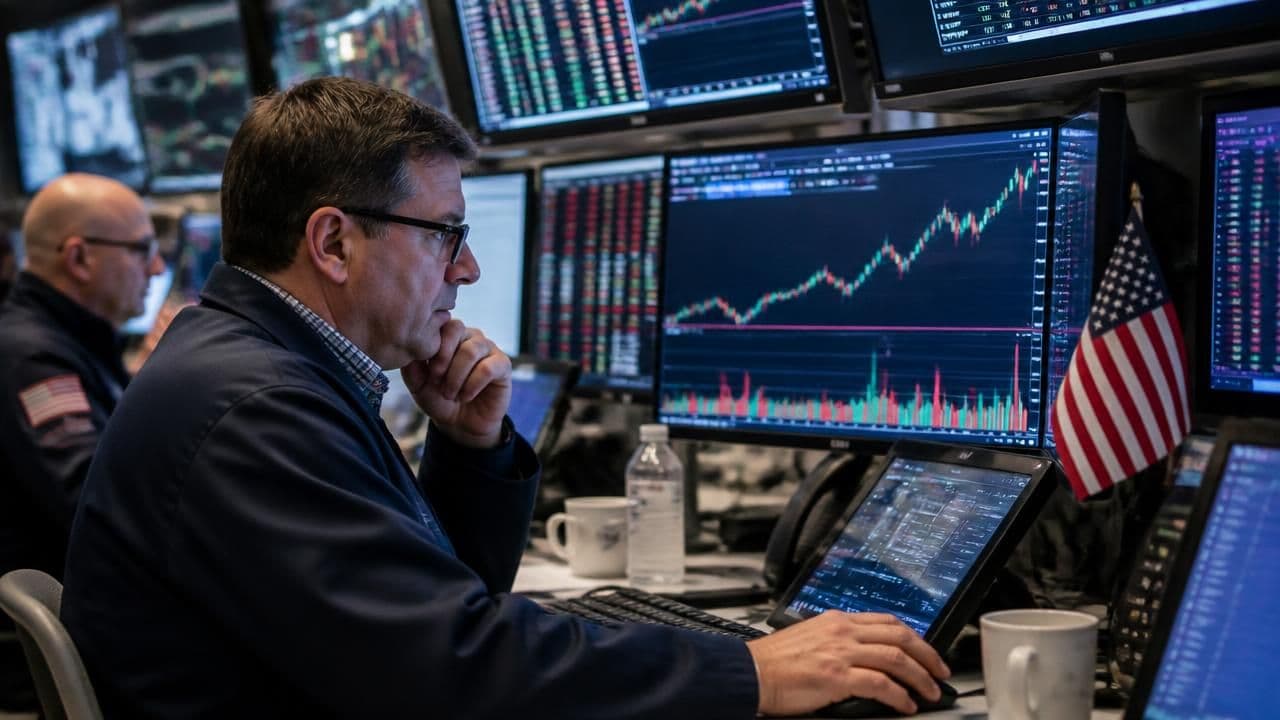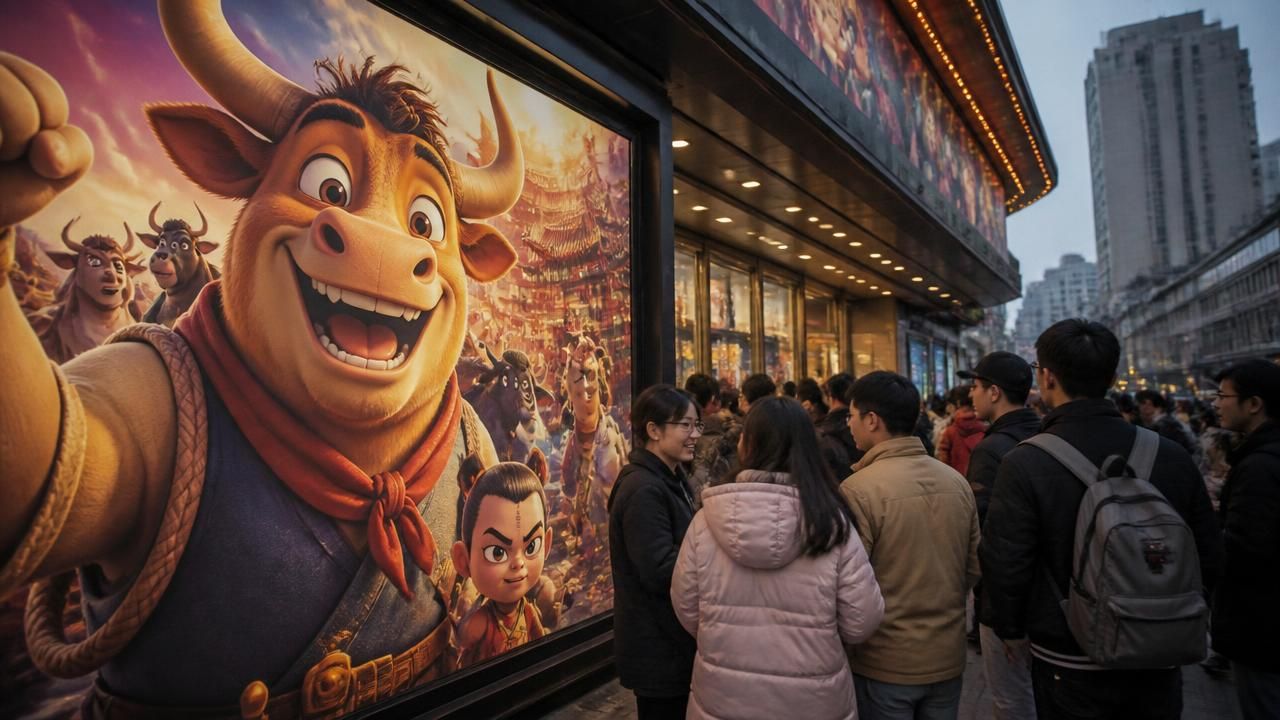
In the chaotic intersection of China's stock market, internet meme culture, and the country's notoriously unpredictable film industry, one unlikely artifact has captured the imagination of millions: Niu Lai (牛来, literally "bull comes"). What began as a crude, poorly animated movie has transformed into a multi-layered cultural phenomenon — a rallying cry for beleaguered retail investors, a surprise box-office hit, and even a speculative cryptocurrency. The story of Niu Lai is a lens through which to understand the hopes, frustrations, and self-deprecating humor of Chinese market participants.
From Joke to Box-Office Miracle
Niu Lai debuted with little fanfare, earning the kind of reviews that usually doom a film. Described as "so-bad-it's-good" by the New Fortune Times, the animated feature seemed destined for obscurity. But something strange happened: Chinese internet users began latching onto the film's title and its hapless protagonist, turning it into a meme. As Global Times reported, the movie experienced a "box office turnaround as growing online attention grabs moviegoers." Young audiences, particularly those active in stock trading forums, flocked to cinemas to see the film ironically, turning a flop into a sleeper hit.
A Mirror for Retail Investors
The deeper resonance of Niu Lai, however, lies in its symbolism for China's retail investors. The phrase "niu lai" has long been used in Chinese stock chat rooms as a mantra of hope — a plea for a bull market to finally arrive. Beijing's markets have been volatile, often disappointing small investors who feel left behind by institutional players. In the film's story — a bumbling underdog facing repeated setbacks — these investors see their own struggles.
"In 'Niu Lai,' investors see their own struggles," wrote Bloomberg Opinion columnist Shuli Ren, explaining why the film struck such a nerve. "It's a caricature of the retail trader's experience: hope, despair, and the eternal wait for a bullish turn."
The Edge Malaysia echoed this analysis, citing Bloomberg's take that the "bad movie" is actually "a good guide to China’s stock market." The film's narrative arc — from failure to a semblance of triumph, only to slide back again — mirrors the cycles of China's equities market, where policy announcements and sudden rallies often give way to prolonged downturns.
From Meme to Meme Coin
The internet's tendency to monetize anything led to the inevitable next step: a Niu Lai meme coin. Crypto exchange Phemex announced the token on the BNB Chain, branding it as "sparking joy across BNB Chain." The cryptocurrency, riding the wave of meme coin mania, is a speculative bet on the viral nature of the phrase itself. For a new generation of Chinese traders who have turned to digital assets, Niu Lai represents both a joke and a genuinely hopeful signal — a way to participate in a community united by a shared desire for financial betterment.
The Crypto Connection
Meme coins have become a global phenomenon, but in China, where cryptocurrency trading is officially banned, the Niu Lai token on BNB Chain (a decentralized blockchain) exists in a regulatory gray zone. Still, Chinese investors are known to participate via offshore exchanges, and Phemex's promotion of the coin suggests a market for this kind of cultural token. The coin's launch adds a layer of financial speculation to an already complex narrative, turning a film meme into a tradeable asset.
Why It Matters
The Niu Lai phenomenon is not just a quirky footnote in China's cultural and financial year. It underscores a few critical trends:
- Retail investor sentiment: The meme provides a rare outlet for expressing frustration with the stock market in a way that is both comedic and cathartic.
- The power of internet virality: A film with no marketing budget can become a hit if it connects emotionally with online communities.
- Blurring lines between finance and entertainment: As meme coins and film memes interact, the distinction between market participation and pop culture is eroding.
- China's regulatory environment: While securities regulators encourage "long-term value investing," the popularity of a "Niu Lai" suggests a more playful, risk-taking mindset among younger traders.
Different Portrayals, One Story
The way different outlets have framed Niu Lai reveals the story's multi-faceted nature. Bloomberg Markets and The Edge Malaysia focused on the stock-market metaphor, analyzing the film as a reflection of investor psychology. Global Times highlighted the box-office turnaround, emphasizing the power of internet attention in driving commercial success. Phemex, a crypto exchange, cashed in on the meme by launching a token, spreading it to the digital-asset world. Meanwhile, New Fortune Times celebrated the film's "so-bad-it's-good" charm, placing it in the context of cult cinema.
What unites these perspectives is the recognition that Niu Lai is far more than a movie. It is a Rorschach test for China's market mood — an expression of hope that, despite a challenging environment, the bull may one day come. Whether that translates to a sustained market rally, a lasting film franchise, or a volatile meme coin remains uncertain. But for now, Niu Lai has given Chinese traders something they desperately need: a reason to laugh, and a reason to believe.
Looking Ahead
As with all memes, Niu Lai's shelf life may be short. But its emergence speaks to a broader shift in how retail investors engage with financial markets. Social media, film, and cryptocurrency now form an interconnected ecosystem where a single phrase can electrify a nation. For market analysts, the phenomenon is a reminder that sentiment — often dismissed as noise — can itself become a market-moving force. For investors, it is a lesson in the power of shared narratives. And for the rest of us, it is a window into the resilience and humor of China's retail traders, who continue to stand guard at the gates of the bull market, whispering, "Niu Lai, niu lai."