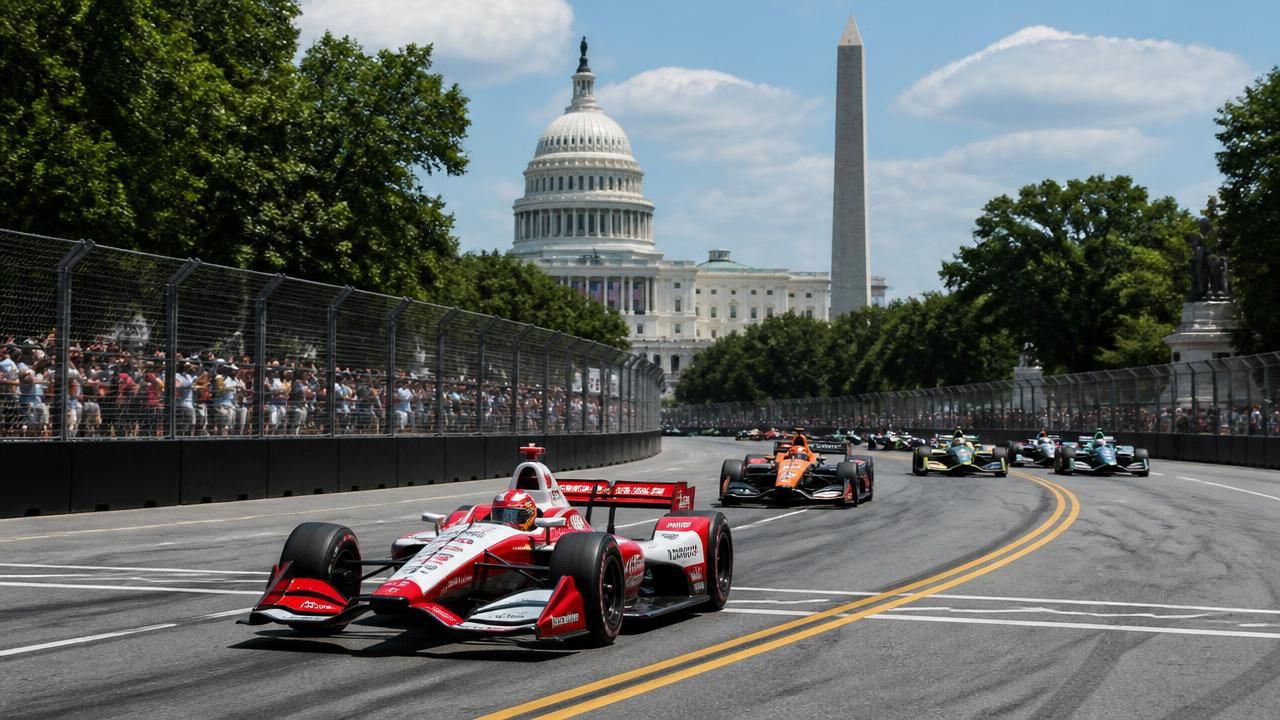
This weekend, the roar of IndyCar engines will replace the usual hum of tour buses on the National Mall as Washington, D.C., hosts the Freedom 250 Grand Prix—a spectacle that marries American patriotism, high-speed motorsport, and the political ambitions of President Donald Trump. The race, which snakes past the Capitol, the Washington Monument, and the Lincoln Memorial, is the centerpiece of America's 250th birthday celebration, a weekend-long event that has divided residents, thrilled racing fans, and tested the limits of street-course engineering.
A Race Years in the Making
The Freedom 250 is the brainchild of President Trump, who reportedly wanted to commemorate the Semiquincentennial in a way that matched his larger-than-life style. "Donald Trump wants to celebrate America's 250th birthday with an IndyCar race around the National Mall," noted the Washingtonian, which first reported the plan. The race was officially unveiled months ago, with Trump hosting IndyCar drivers at the White House ahead of the August event. Roger Penske, the billionaire owner of IndyCar and the Indianapolis Motor Speedway, has been the driving force behind making the president's vision a reality—a feat Forbes is already calling "among Roger Penske's greatest achievements."
The course itself is a tight, technical street circuit that winds through the heart of the nation's capital. According to Washington Times, the race will see drivers "race past Capitol, National Mall in August," with speeds reaching up to 200 mph on streets that normally have a 25 mph speed limit. The contrast is jarring, even for seasoned IndyCar veterans.
Logistics, Security, and Controversy
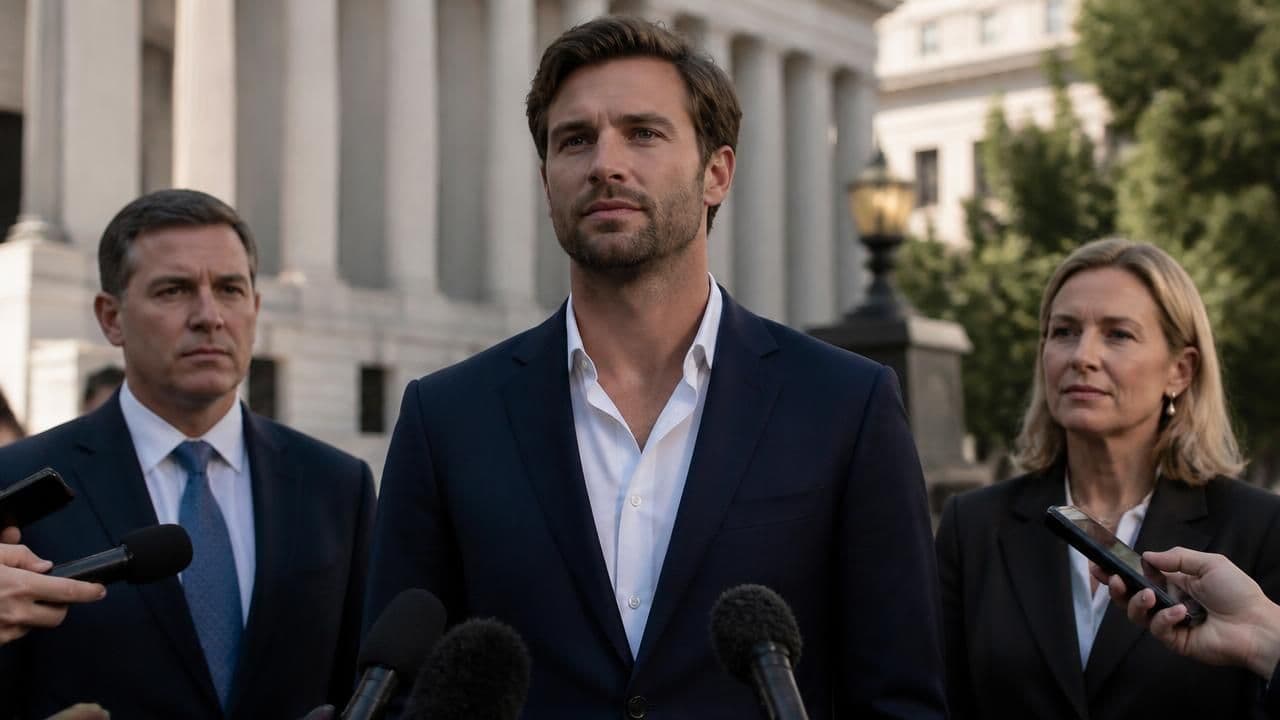
Bringing a race to the National Mall is no small feat. The event requires closing major roads, detouring buses, and even shutting down some of the city's most beloved museums. The Washingtonian detailed the disruptions: "Noise, Bus Detours, and Closed Museums—How the Freedom 250 Grand Prix Will Disrupt DC's Weekend." Local residents have voiced mixed feelings. "It's exciting, but also a huge hassle," one downtown worker told MSN. "I just hope the noise doesn't drive everyone crazy." Not all are enthused. A Yahoo article captured the mood: "Not all DC residents are enthused about Trump's Freedom 250 race." Concerns range from security logistics to the militarization of public space, with CNN calling the race "a test of politics, security and spectacle in Trump's DC."
The physical challenges are equally daunting. Baltimore Sun's headline—"Doing 200 in a 25 mph zone with manhole cover-displacing torque"—highlights the danger. Street circuits are notoriously bumpy, and the National Mall's aging infrastructure poses unique risks. Race officials have had to weld down manhole covers and reinforce curbs to prevent them from becoming projectiles. "Could be a little bit of carnage," IndyCar president Jay Frye told MSN, acknowledging the unpredictability of racing on public streets.
"Could be a little bit of carnage." — IndyCar president Jay Frye, on the challenges of the National Mall course
Drivers Brace for a 'Washing Machine'
For the drivers, the Freedom 250 represents one of the most demanding tests of their careers. The course's uneven pavement—described by some as a "washing machine" effect—will rattle both cars and bodies. "It's going to be brutal," one driver told MSN. "You're constantly being thrown around, and you have to stay perfectly precise for 250 miles." The race distance is record-long for a street course, making it as much an endurance test as a speed contest. Drivers will also contend with the distraction of running past monuments that millions of tourists visit each year, adding psychological pressure to an already intense physical challenge.
Spectacle and Business: Penske's Gamble
For Roger Penske, the Freedom 250 is both a personal triumph and a business gamble. The race is expected to draw tens of thousands of spectators, generating significant revenue for the region. But as NPR asked, "Who's paying for it?" While the event is privately funded, security and city services come at a cost to taxpayers. The economic impact could be substantial, but critics question whether the short-term boost justifies the disruption. "This is about putting IndyCar on the biggest stage possible," Penske told Forbes. "The National Mall is the most recognizable address in America."
The race also marks a bold expansion for IndyCar, which has historically been overshadowed by NASCAR and Formula 1. By taking over the nation's front yard, the series aims to capture a broader audience—and prove that street racing can thrive in the capital. The event will be streamed live, with NPR providing a viewer's guide: "Will it be streaming?" Yes, fans can catch every lap on network television and major streaming platforms.
What to Know Before You Go
- When: The Freedom 250 Grand Prix runs this weekend, with the main race on Sunday afternoon. Practice and qualifying take place Saturday.
- Where: The course loops around the National Mall, past the Capitol, Washington Monument, and Smithsonian museums.
- Access: Many roads will be closed, and bus routes detoured. Museums on the Mall will be closed Saturday and Sunday.
- Viewing: Spectator stands are located near the Smithsonian Castle and along Independence Avenue. General admission tickets are still available.
- Streaming: Live coverage will appear on NBC, Peacock, and the IndyCar Radio Network.
A Moment of Unity—or Discord?
As the engines cool and the crowds disperse, the Freedom 250 may ultimately be remembered as either a patriotic triumph or a logistical nightmare. For now, it's a testament to what happens when sport, politics, and public space collide. Supporters see it as a fitting tribute to 250 years of American independence; detractors see it as an overreach of executive power and a disruption to the city's sacred calm. Either way, the world will be watching as 200 mph machines thunder through the seat of American democracy—a spectacle unlike any the capital has ever seen.