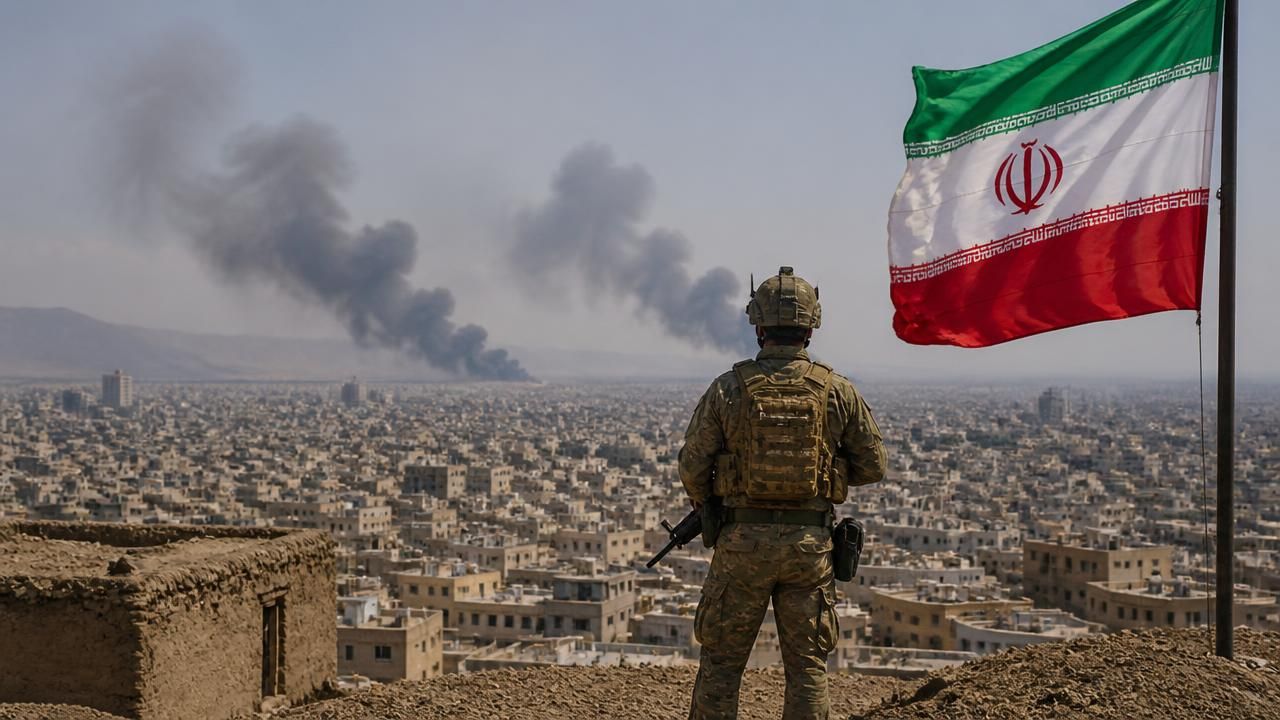
The war with Iran is approaching its six-month mark, and a growing chorus of journalists, lawmakers, veterans, and global economists are asking the same question: What is the endgame? From the halls of Congress to the streets of Tehran, the conflict has become a vortex of mixed messaging, unresolved nuclear dilemmas, and economic disruption.
The Strategy Puzzle: Two Off-Ramps at Once?
President Trump's approach to Iran has been marked by what the BBC calls "two off-ramps at once" — a dual-track strategy that simultaneously seeks a diplomatic settlement and prepares for continued military escalation. The Financial Times echoes this, describing "mixed signals on plans to end Iran war," while The Guardian notes "mixed messages on Iran leave questions unanswered." This ambiguity is not accidental, analysts say; it keeps adversaries guessing and domestic audiences on edge. After Iran talks falter, the BBC asks, the big question is what happens next?
As Trump prepares a primetime address to the nation, questions swirl over his next move. PBS adds that Trump "continues to shift course on Strait of Hormuz strategy, raising questions about U.S. war preparedness." The shifting stance has made it difficult for both allies and enemies to discern a coherent policy.
Boots on the Ground: The Most Difficult Decision
One of the most pressing questions is whether the U.S. will commit ground troops. CNN reports on "Trump's most difficult war decision yet: whether to put boots on the ground in Iran." Trump himself has not ruled out ground troops, but he has said he won't use Kurdish forces, according to KCRA. The Guardian's Simon Tisdall calls the contemplation of a ground invasion "the sheer folly" and asks, "How did it come to this?"
Defense Secretary Pete Hegseth has added to the confusion by saying the clock is "paused" on a deadline to seek approval for the Iran war, raising constitutional questions about war powers. Meanwhile, the Pentagon is reportedly developing new plans that, according to Politico, "give Trump a way out of war crime accusations" — a tacit acknowledgment of the legal risks inherent in the conflict.
The Nuclear Question: Enriched Uranium and the Deal's Murky Details
Central to the conflict is the fate of Iran's nuclear program. The New York Times reports that a truce has left questions over the fate of Iran's enriched uranium. The Nuclear Threat Initiative (NTI) asks a critical question: "When the Shooting Stops: Securing Iran's Nuclear Program After the War." The details of any U.S.-Iran deal remain murky, according to PBS, with questions lingering over what exactly was promised.
One particularly contentious issue is the $300 billion the U.S. reportedly promised Iran as part of a deal. Lawmakers, including Republicans, are questioning the source of these funds, as reported by Spectrum Local News.
Congressional Oversight: A Clash of Branches
House Foreign Affairs Committee members — including Meeks, Smith, Himes, McCollum, and DeLauro — have sent a letter to Iran briefers demanding direct answers on U.S. military operations. Yet The New York Times reports that many GOP lawmakers are "deferring to Trump" and resisting a public accounting on Iran. This partisan divide is hampering oversight efforts, leaving many questions unanswered.
Economic Shockwaves: The Global Price of War
The economic toll of the war is becoming impossible to ignore. Deutsche Welle reports that the Iran war "sends shock waves through global economy." The Financial Times is answering reader questions on whether the war will derail the global economy, while The Guardian notes that "Trump's war on Iran is pulling billions from the US till." From oil prices to supply chains, the conflict is reverberating across markets.
South Korea's Wake-Up Call
The Japan Times offers a sobering perspective: "South Korea is learning the hard truth about U.S. promises." The war has tested the reliability of American security guarantees, leaving allies to reconsider their strategic dependencies.
China's Role: A New Complication
Adding another layer, Reuters reports exclusively that China's top chipmaker has supplied chipmaking technology to Iran's military, according to U.S. officials. This revelation could further strain U.S.-China relations and complicate efforts to isolate Iran technologically.
Diplomatic Fray: UK Tensions and King Charles
The war is also straining transatlantic ties. CNN reports that a planned King Charles visit is in question as Trump berates the UK over its position on the Iran war. This diplomatic friction underscores the widening rifts between the U.S. and its traditional allies over the conflict's conduct and objectives.
The Human Angle: Veterans, Recruits, and the Public
Amid the geopolitical maneuvering, the human cost is front and center. WBUR's "On Point" features veterans sharing what they want you to know about the war. Meanwhile, a Los Angeles man is weighing enlisting amid the conflict, for reasons that may surprise you, according to Spectrum Local News. The prospect of a draft has re-emerged as a public concern.
News outlets are responding to a public hungry for answers. The New York Times, CNN, BBC, and NBC News have all launched "ask a correspondent" features, soliciting reader questions often focused on the war's trajectory. Even BBC Newsround, aimed at younger audiences, is asking, "What do you want to know about the war in Iran?"
Conclusion: A Conflict Defined by Uncertainty
Six months in, the Iran war remains a conflict defined by uncertainty. Trump's dual-track strategy, the unresolved nuclear question, the economic fallout, and the strain on alliances all point to a situation that is far from stable. As the FT's Gideon Rachman asks, "What is Trump's plan in Iran?" The answer, it seems, is still being written — and many fear it may be written in the chaos of escalation rather than the clarity of diplomacy.