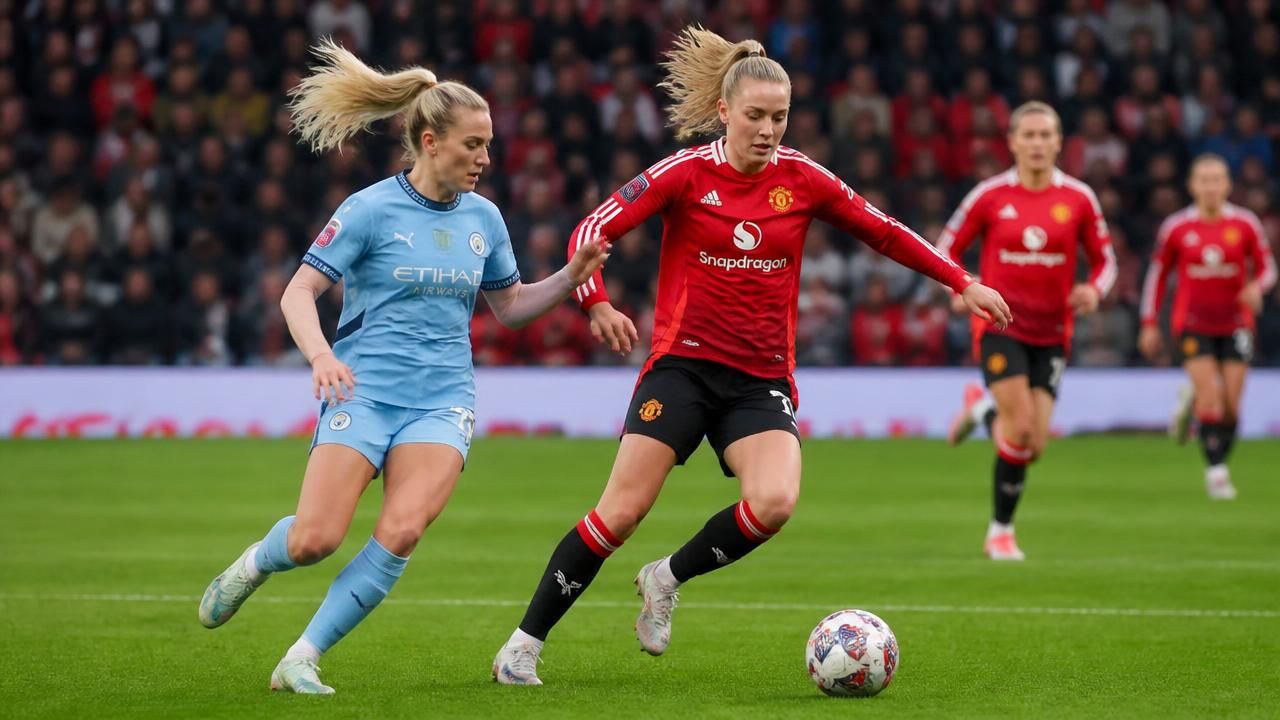
The Women's Super League (WSL) and the National Women's Soccer League (NWSL) are both launching official fantasy games this season, a move that could fundamentally alter how fans engage with women's soccer. The WSL's debut fantasy product, developed in partnership with Sorare, puts player photos front and center—a design choice that is less common than one might expect in a digital space dominated by male-centric interfaces. Meanwhile, the NWSL's app, announced by media company All For XI, boldly declares that fantasy football is no longer just for men's sports. These developments come at a pivotal moment for the sport, as attendance and broadcast numbers continue to climb globally.
Fantasy sports have long struggled with a persistent problem: retention. Most leagues play out over months-long seasons, require regular attention, and can heavily punish even a single missed week. This challenge is even more acute for a new game in a growing sport, where the goal is to convert casual viewers into lifelong fans. For the WSL, the timing is strategic—the league's opening match sees Manchester United host London City Lionesses next month, and the fantasy game will be live from day one.
Why Player Photos Matter
The Verge, which first reported on the WSL game, notes that featuring player photos prominently is a deliberate attempt to humanize the athletes and build emotional connection—a contrast to the often sterile, data-heavy interfaces of traditional fantasy platforms. In a sport where female players have historically been under-marketed, seeing their faces on a fantasy dashboard is a subtle but powerful statement. As one league official told The Verge, "We want fans to feel like they're managing a team of real people, not just statistics." This approach also helps new fans learn names and faces, lowering the entry barrier.
The NWSL app, unveiled by All For XI, takes a similar approach but with an explicit gender-equality message. "This is about reclaiming the pitch—and the digital pitch—for women's sports," the publication argues. The app is designed to be mobile-first and social, with features that encourage weekly engagement rather than punishing lapse attention. Both games aim to solve the retention crisis by shortening the feedback loop and offering daily or weekly mini-leagues, rather than season-long slogs.
A Growing Ecosystem
The launch of these games is not just a technical novelty; it's a business pivot. Fantasy sports generate billions in revenue globally, and women's soccer has largely been left out of that economy. By creating official licensed games, the WSL and NWSL are tapping into a lucrative revenue stream—and likely attracting a new cohort of sponsors. The underlying tech is also noteworthy: Sorare's blockchain-based cards add a collectible element, while the NWSL app reportedly uses AI-powered suggestions to help novices build teams. This innovation is being watched closely by other leagues that see fantasy engagement as a gateway to deeper fandom.
Meanwhile, in the Men's Game: A Season of High Stakes
While women's soccer is making headlines for its digital breakthroughs, the men's game is delivering its own drama across multiple fronts. CBS Sports' "Footy Fix" newsletter has been tracking a season packed with plotlines, from title races to international tournaments. Here's a roundup of the stories that are shaping the soccer landscape:
- Inter Milan chase a domestic double in Italy, while Manchester City's fading title hopes suggest the Premier League race may have a new outcome. (Footy Fix)
- UEFA Champions League qualifiers are back on Paramount+, with teams battling for spots in the group stage. (Footy Fix)
- Crystal Palace are chasing the Conference League trophy, a competition that has given smaller clubs a taste of European glory. (Footy Fix)
- Champions League round of 16 features six Premier League sides, including a heavyweight clash between Real Madrid and Bayern Munich. (Footy Fix)
- Arsenal have already lifted a Premier League trophy (the Community Shield), and Aston Villa could add Europa League success. (Footy Fix)
- World Cup 2026 expansion is coming, and questions swirl over whether Lionel Messi's final dance with Argentina is on the horizon. (Footy Fix)
- PSG vs. Liverpool and Barcelona vs. Atlético Madrid headline the Champions League quarterfinals, promising high-stakes action. (Footy Fix)
- The USMNT will have its 26-man roster announced Tuesday as Mauricio Pochettino prepares for upcoming friendlies and World Cup qualifying. (Footy Fix)
These stories underline the sheer breadth of soccer—from grassroots fantasy leagues to the world's most-watched club competitions. The introduction of women's fantasy games is a natural extension of that ecosystem, offering fans a fresh way to connect with players who deserve equal billing.
Framing the Story: Tech vs. Sports Media
The two outlets covering the women's fantasy launch come from very different angles. The Verge, a technology publication, focuses on user experience, interface design, and retention mechanics—treating the fantasy game as a tech product. All For XI, a women's soccer site, frames it as a cultural breakthrough, emphasizing that fantasy sports have long been a "men's club" and that these apps are breaking down barriers. CBS Sports, meanwhile, barely mentions the women's game, dedicating its Footy Fix to the men's calendar. This disparity in coverage reveals a broader media bias: women's soccer innovations still fight for space in the mainstream, even as they push the industry forward.
Yet there is reason for optimism. The WSL and NWSL are not just copying male counterparts—they're iterating. By prioritizing player visibility and forgiving participation, they are solving problems that have plagued fantasy sports for years. That's a model that could eventually be adopted by the very leagues that inspired them.
The Road Ahead
As the season opens, the success of these fantasy games will be measured not just in active users, but in whether those users stick around. The WSL is betting that a person who manages Alexia Putellas on a fantasy team is more likely to tune into a Sunday afternoon match. The NWSL is betting that a fan in Kansas City will feel a tether to a player in Houston. If these bets pay off, we may look back on 2025 as the year fantasy sports finally went co-ed—and changed the game for everyone.
For now, the countdown is on. Manchester United vs. London City Lionesses kicks off in weeks, and fantasy managers are already assembling their squads. In the words of one WSL spokesperson, "This is just the beginning." And with men's soccer making its own headlines, the beautiful game is showing that it can adapt to the digital age—one app at a time.