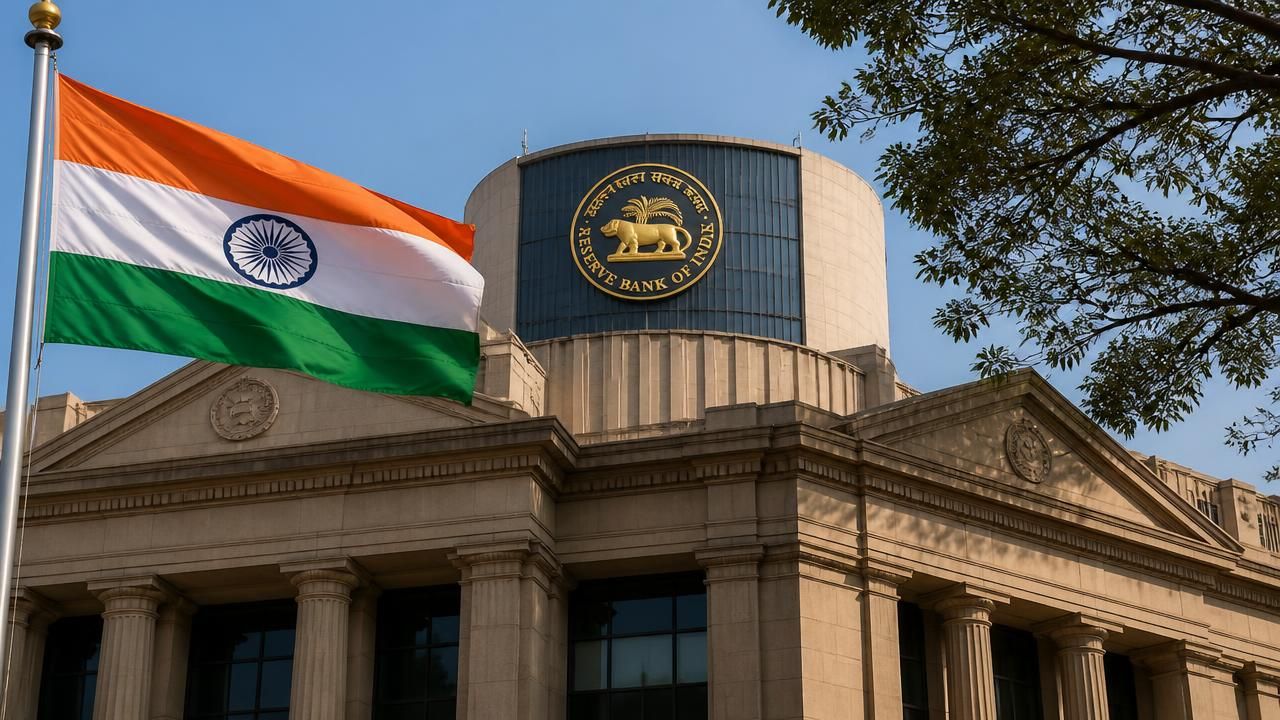
Indian financial institutions have sold a record-breaking nearly $9 billion in dollar bonds this year, according to Bloomberg data, as lenders rush to capitalise on a central bank facility that slashes the cost of hedging overseas borrowings. The fundraising blitz, which includes HDFC Bank, ICICI Bank, and other major lenders, has injected fresh momentum into Asia's debt markets and come at a pivotal moment for the Indian rupee, which has been sliding to record lows amid a widening current account deficit.
The surge is driven by the Reserve Bank of India's (RBI) foreign exchange swap window, originally designed to encourage banks to bring in dollars by offering them a subsidised hedge against currency fluctuations. But in a surprise move, the RBI pulled the deadline forward, compressing the issuance calendar and triggering a race among lenders to secure cheap dollar funding before the window closes. According to Reuters, the shift has "fast-tracked" dollar fundraising by Indian banks, with several issuers pulling forward deals that were originally slated for later in the year.
HDFC Bank Leads the Charge
HDFC Bank, India's largest private lender by market value, has been at the forefront of this overseas borrowing push. The Hindu BusinessLine reported that HDFC is leading private banks in raising billions overseas, and Bloomberg noted that the bank achieved the tightest-ever spread on its dollar bond issuance — a sign of strong investor appetite for Indian bank credit despite global headwinds. The landmark deal has set a benchmark for other issuers, allowing them to price their bonds more aggressively.
ICICI Bank, another private-sector heavyweight, is planning a $500 million global debt issuance through the RBI's subsidised swap route, according to Briefs.co. The bank's move underscores the scale of the opportunity: by locking in low-cost dollars via the swap, lenders can fund their expanding loan books while bypassing expensive onshore rupee funding.
"The RBI's swap window has created a unique arbitrage for Indian banks," said a Mumbai-based debt capital markets banker, speaking on condition of anonymity. "They can raise dollars at competitive rates, swap them into rupees at a subsidised cost, and still earn a healthy spread on domestic lending. The only question was timing — and the RBI's deadline change accelerated everything."
What's Behind the RBI's Deadlock?
The RBI's decision to move the FX swap window deadline is widely seen as a defensive measure to protect the rupee. The currency has been under severe pressure, hitting a record low earlier this month on concerns over India's current account deficit, which has been exacerbated by elevated oil prices. Sources told Reuters that the central bank has also asked lenders to cut speculative bets against the rupee, effectively nudging them to bring dollars home through the formal banking channel.
By fast-tracking the swap window, the RBI is attempting to improve dollar supply in the onshore market, thereby supporting the rupee without draining its own foreign exchange reserves. The strategy appears to be working, at least in the short term: the rupee has stabilised above its record low, helped by state-run banks' dollar sales and foreign bank inflows. Bloomberg reported that the rupee extended its rally after its biggest one-day surge in 12 years in response to RBI's measures.
A Record Year for Indian Dollar Bonds
The scale of the fundraising is unprecedented. According to The Edge Singapore, Indian lenders have set a record with $8 billion in dollar bond sales — a figure that Bloomberg pegs closer to $9 billion when including all financial institutions. The deals have been concentrated in the mid-year period, with a flurry of issuance hitting the market in June and early July. The pipeline remains robust, with several banks reportedly preparing to tap the market before the RBI's revised deadline.
- Record volumes: India's money market volumes hit an all-time high in June 2026, with bank lending growing 16.2% year-on-year, according to Univest.in.
- Tight spreads: HDFC Bank's dollar bond priced at a spread that was the tightest ever for an Indian bank, setting a new benchmark.
- Diaspora demand: MSN.com described the trend as a "race for diaspora dollars," noting that Indian banks are increasingly targeting overseas Indian investors to fund domestic growth.
Broader Asian Context
The Indian issuance boom is part of a wider surge in Asian bond markets. Reuters reported that Asia's bond markets have shaken off war angst with record local currency issuance, while yuan-denominated debt is also rising as a funding currency. However, India stands out because of the explicit central bank subsidy, which has created a window of opportunity that lenders are rushing to exploit. The strategy has implications beyond India: it shows how central banks in emerging markets can use creative policy tools to manage currency pressures while simultaneously supporting credit growth.
Yet some analysts warn of risks. A surge in foreign-currency debt could leave Indian banks exposed to rupee depreciation if the hedge is not fully covered. The RBI's swap facility reduces that risk, but it is not a permanent solution. "The window is temporary, and once it closes, banks will need to diversify their funding sources," said a bond strategist at a global investment bank. "The record issuance also adds to the country's external debt burden, which could become a concern if global financial conditions tighten."
What This Means for the Rupee and the Economy
For now, the dollar bond bonanza is providing a crucial buffer for the rupee. The influx of foreign currency helps offset the current account deficit and reduces the need for RBI intervention. But the central bank is walking a tightrope: too much support could fuel inflation, while too little could trigger a crisis of confidence. The RBI's move to ask banks to cut speculative bets suggests it is determined to maintain stability, even if it means using administrative measures alongside market tools.
For Indian banks, the record dollar issuance is a vote of confidence in their creditworthiness. It also positions them to meet the strong demand for credit, which grew at its fastest pace in years. As the economy expands, banks need capital, and the dollar window has provided a cheap way to get it. The challenge now is to ensure that the funds are deployed productively and that the country does not become overly reliant on fickle global capital flows.
Conclusion
The convergence of a subsidised hedging facility, a weakening rupee, and robust loan demand has produced a historic moment for India's financial markets. By pulling the FX swap deadline forward, the RBI has deliberately accelerated the pace of dollar fundraising, and banks have responded with record issuance. The story is still unfolding, but the early signs are that the strategy is stabilising the currency while funding a credit boom. Whether it proves to be a masterstroke or a short-term fix will depend on how global markets evolve and how quickly India can address the underlying current account pressures.