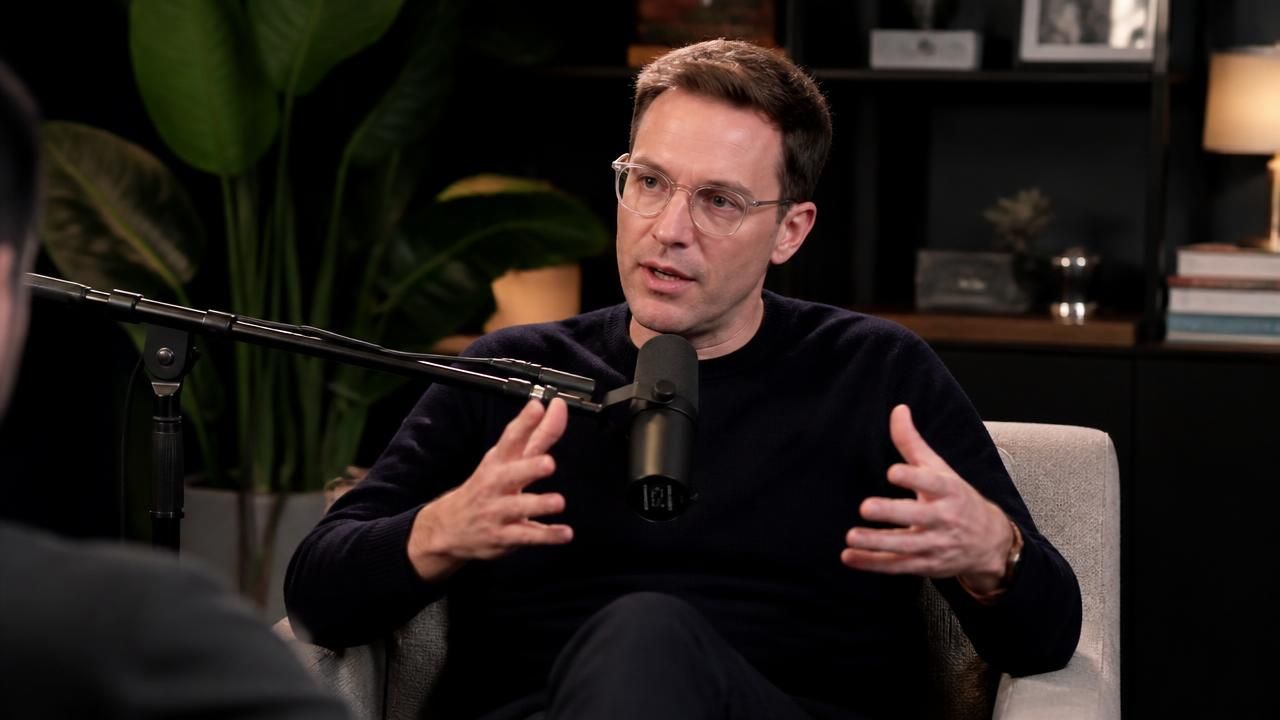
When Ben Smith co-founded Semafor in 2022, the media landscape was in turmoil. Trust in legacy outlets was sinking, audiences were fragmenting toward Substack newsletters, podcasts, and TikTok news influencers, and even storied brands like CBS News were struggling to adapt. Yet Smith, the former editor-in-chief of BuzzFeed News, saw an opening for a new global news organization. Four years later, he says the gamble is paying off—though not in the way he originally envisioned.
Smith recently joined Nilay Patel on The Verge's Decoder podcast to discuss how Semafor has evolved, its unusual business model, the ethics of hosting the people you cover at events, and how the newsroom is approaching artificial intelligence. The conversation offered a rare, candid look at the strategic thinking behind one of the most closely watched media startups of the decade.
From BuzzFeed to Semafor
Smith's career has been defined by riding media waves. He ran BuzzFeed News during the peak of the Facebook traffic boom, a period he chronicled in his 2023 book Traffic. He discussed that book on Decoder back in 2023. Now, as co-founder and editor-in-chief of Semafor, he is trying to build something more durable.
Semafor launched in 2022 with an ambitious stated goal: reaching 200 million college-educated readers. Smith acknowledges that the company has since shifted its focus. "We've figured out a model that is quality journalism," he told Patel, summarizing the company's evolution. That model, he explained, is now what he calls an "anti-scale company."
"I think we've figured something out. There are a lot of different things to figure out, and we're in this unbelievably strange and unstable moment in media." — Ben Smith
What Is an Anti-Scale Company?
Instead of chasing massive audience growth through social media or viral content, Semafor has deliberately reversed course. It does not have a website paywall, but it generates about half of its revenue from events—what media executives now euphemistically call the "convening business." The other half comes from advertising, sponsorships, and partnerships, though Smith declined to share detailed revenue figures.
The events business has become a major focus. Semafor's upcoming gathering, "Silicon Valley & The World," will feature some of the biggest names in tech and AI. Hosting the subjects you cover on stage is a lucrative but ethically fraught practice. When a news organization sells access to its reporting subjects, it risks blurring the line between journalism and promotion.
Ethics in the Age of AI
The conversation also delved into how Semafor's newsroom is approaching AI. Smith said the company has been experimenting with AI tools for newsgathering and production, but he emphasized the importance of maintaining editorial independence. "The question isn't whether to use AI," he said. "It's how to use it without surrendering the values that make journalism credible."
Semafor has reportedly developed internal guidelines for AI use, requiring human review of any AI-generated content. Smith acknowledged that AI could help newsrooms cover more topics with fewer resources, but he warned against relying on it for nuanced reporting. "It's a tool, not a reporter," he said.
Trust and Independence
Patel pressed Smith on whether independence is still something audiences are willing to pay for. Smith argued that while people say they don't trust the media, they consume more of it than ever. The challenge, he said, is not earning attention but earning credibility.
- No paywall: Semafor avoids a hard paywall, relying on events and partnerships for revenue.
- Transparency: The newsroom publishes its own ethics guidelines and discloses conflicts of interest.
- Global reach: Semafor maintains bureaus around the world, targeting a college-educated readership.
Smith acknowledged that putting people you cover on conference advisory boards creates potential conflicts, but he defended the practice as a form of transparency. "If we're going to cover these people, we should engage with them directly," he said. "The key is disclosing those relationships to readers."
Lessons for the Media Industry
Semafor's experience offers a counterintuitive lesson for an industry obsessed with scale. By deliberately staying small and focusing on high-value audiences and events, the company has found a sustainable path in an otherwise brutal market. Smith's optimism stands in stark contrast to the doom-and-gloom narrative sweeping many legacy newsrooms.
Still, the model is not without risks. The events business can be cyclical, and relying on the goodwill of tech giants for revenue raises questions about editorial independence. Smith, however, seems unfazed. "We're in the substance business," he told Patel. "If the journalism is good, the rest will follow."
What's Next?
With the "Silicon Valley & The World" event on the horizon, Semafor is betting big on AI and tech as defining issues of the coming decade. Smith's appearance on Decoder doubled as a preview of that event and a masterclass in media strategy. For journalists and media executives alike, the takeaway is clear: adaptation is not a betrayal of the craft—it's a condition of survival.
As the conversation wrapped up, Patel noted that Smith had come a long way since their last chat, when BuzzFeed News was shuttering. Smith laughed. "It's nice to be on the other side for once," he said. For Semafor, the future looks bright—even in a world where the media seems perpetually on the brink.