China's economy stumbled into the second half of 2026, with growth slowing to 4.3% in the second quarter from a year earlier, as domestic demand weakened and factory activity lost momentum. The disappointing numbers, reported across multiple outlets, have reignited debate over Beijing's policy response and raised alarms about global spillovers.
A Broad-Based Slowdown
The gross domestic product figure, reported by MSN and others, undershot expectations and marked a troubling start to the half. "China's economic woes mount as growth remains sluggish," noted CNBC TV18, while Bloomberg's markets coverage framed it as a "disappointing start to the half." The weakness extended beyond GDP: industrial production and retail sales growth both slumped in July, according to Reuters, dealing a blow to hopes of a consumption-led recovery. The data point to a domestic demand problem that policymakers have struggled to reverse, despite a string of measures.
"The Chinese economy is facing rising pressure from shrinking domestic consumption and a fragile property sector, and the latest data underscore the scale of the challenge," said Yu Jie, senior research fellow at Chatham House's Asia-Pacific Programme, on Bloomberg's The Pulse.
Global Fallout
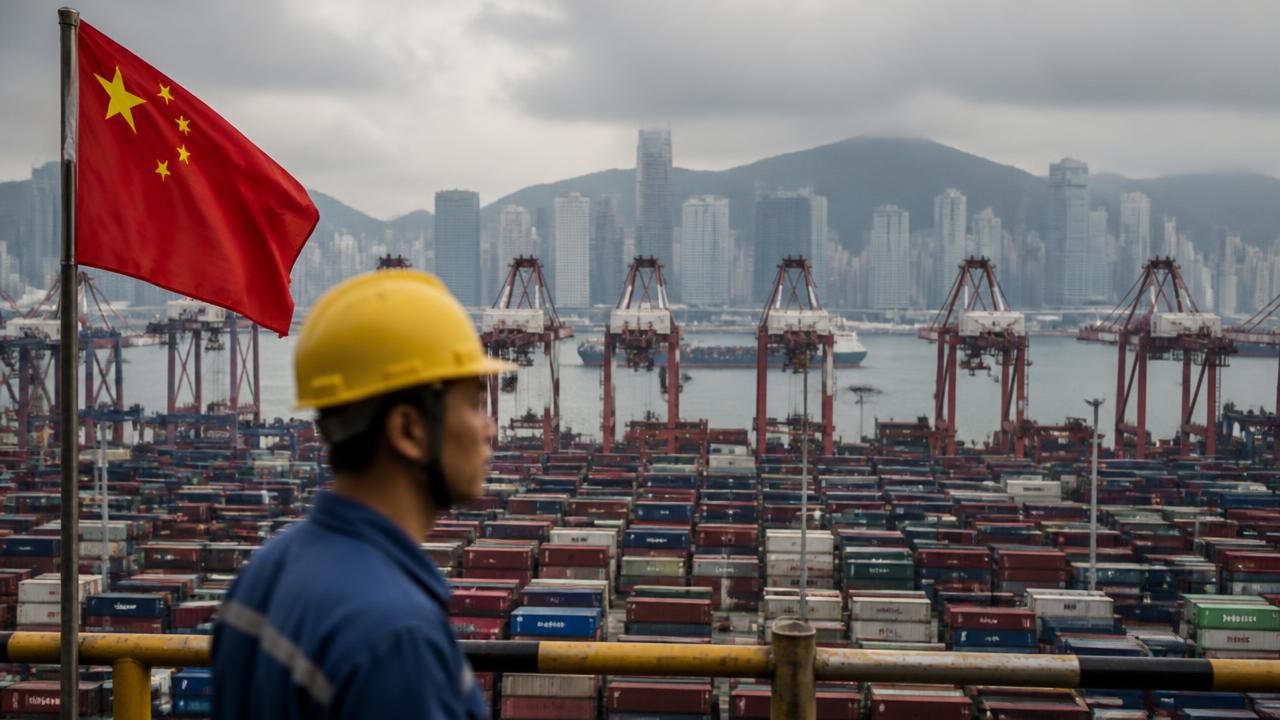
The slowdown is not just China's problem. The Atlantic's headline was blunt: "China's Economy Is Taking Everyone Down." With the global economy already buffeted by an energy crisis and conflict, the Chinese downturn adds a powerful deflationary force. The Wall Street Journal specifically linked the weakness to fallout from the Iran war, noting that global supply chains and trade routes remain disrupted. Fintech.global echoed the concern, reporting that the energy crisis and conflict are dragging down growth worldwide, with China's slowdown amplifying the impact.
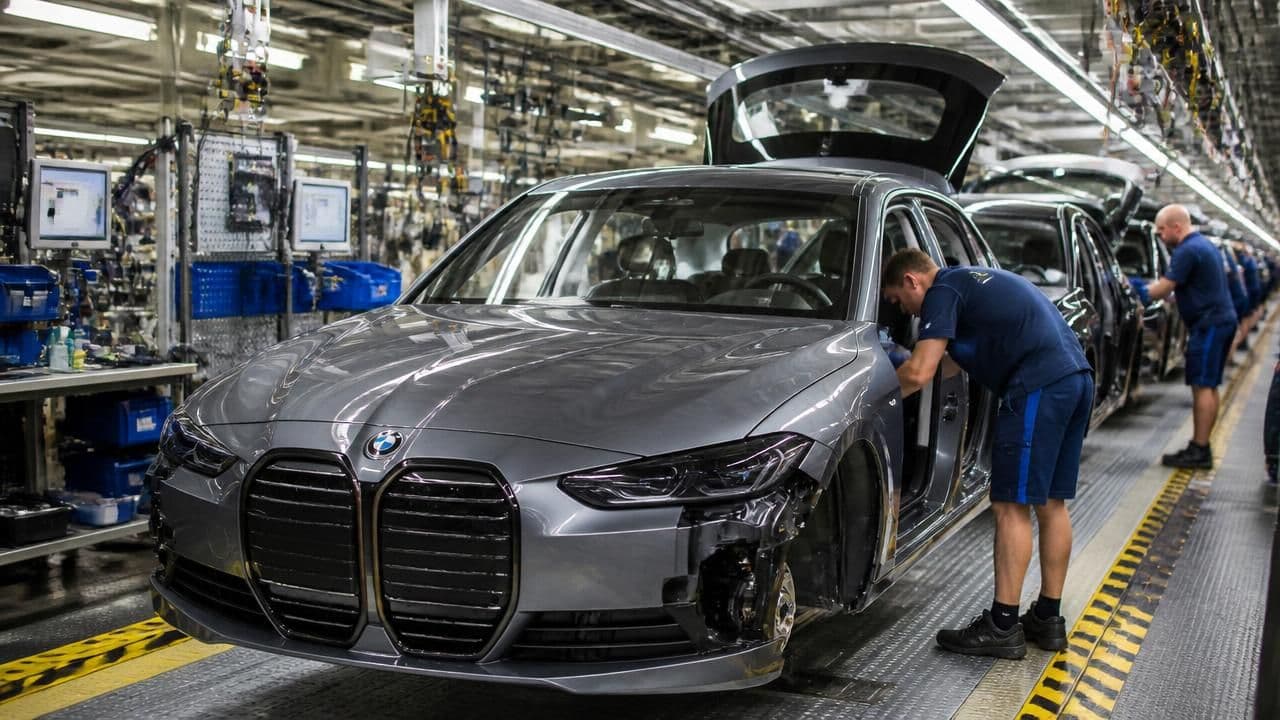
The pain is particularly visible in heavy industry. The OECD Steel Committee warned that the global steel excess capacity crisis is deepening as Chinese exports surge, a direct consequence of weak domestic demand. "Surplus production is being pushed onto world markets," the committee said, exacerbating trade tensions. Brookings' TIGER update offers a more nuanced view: surface resilience in some economies masks "underlying fragilities," and for emerging markets that depend on Chinese demand, the slowdown is a serious headwind.
Beijing's Policy Dilemma
Despite the weak data, China's economic policy appears to "hold the line," as MERICS put it. The government has avoided aggressive stimulus, mindful of debt risks and the need to support the yuan. But pressures are mounting. "The case for stimulus is growing," wrote Reuters in a retrospective on 2023, noting a patchy recovery that persists into 2026. Times of Malta underscored the "mounting pressures over future GDP growth," suggesting that Beijing's long-term targets are increasingly at risk.
The political backdrop complicates decision-making. As CNN reported, the fourth plenum occurs "roiled by purges and buffeted by US frictions," making bold economic moves politically difficult. The upcoming Five-Year Plan, previewed by MERICS, will be a crucial test of whether Beijing can reset priorities.
Structural Reforms or More of the Same?
Some analysts argue that what China needs is structural reform, not stimulus. State Street's Michael Metcalfe told Bloomberg that markets are watching for signals on whether policymakers will lean into new growth engines like green tech and high-end manufacturing. Others point to the steel sector as an example of where reform has stalled. Historical context is instructive: Nippon.com noted that even in 2022, Beijing was "searching for stability," and the challenges have only accumulated. The 4.3% growth rate, while still high by developed-world standards, is below China's potential and far from what officials want to see to achieve their long-term goals.
The bottom line: China's economy remains a critical pivot for global growth. With domestic demand weak, exports facing headwinds, and policy constrained, the world is watching to see what Beijing does next. As the data show, patience may be wearing thin.
- Q2 2026 GDP growth: 4.3% year-on-year, below expectations
- July factory output and retail sales: both missed forecasts
- Global steel overcapacity crisis worsens as Chinese exports surge
- OECD warns of deepening excess capacity
- Fourth plenum and Five-Year Plan to shape policy response
For now, the risk is rising that China's slowdown becomes a drag on the entire global economy. How Beijing navigates the tension between stability and reform will determine whether the current "woes" become a full-blown crisis.