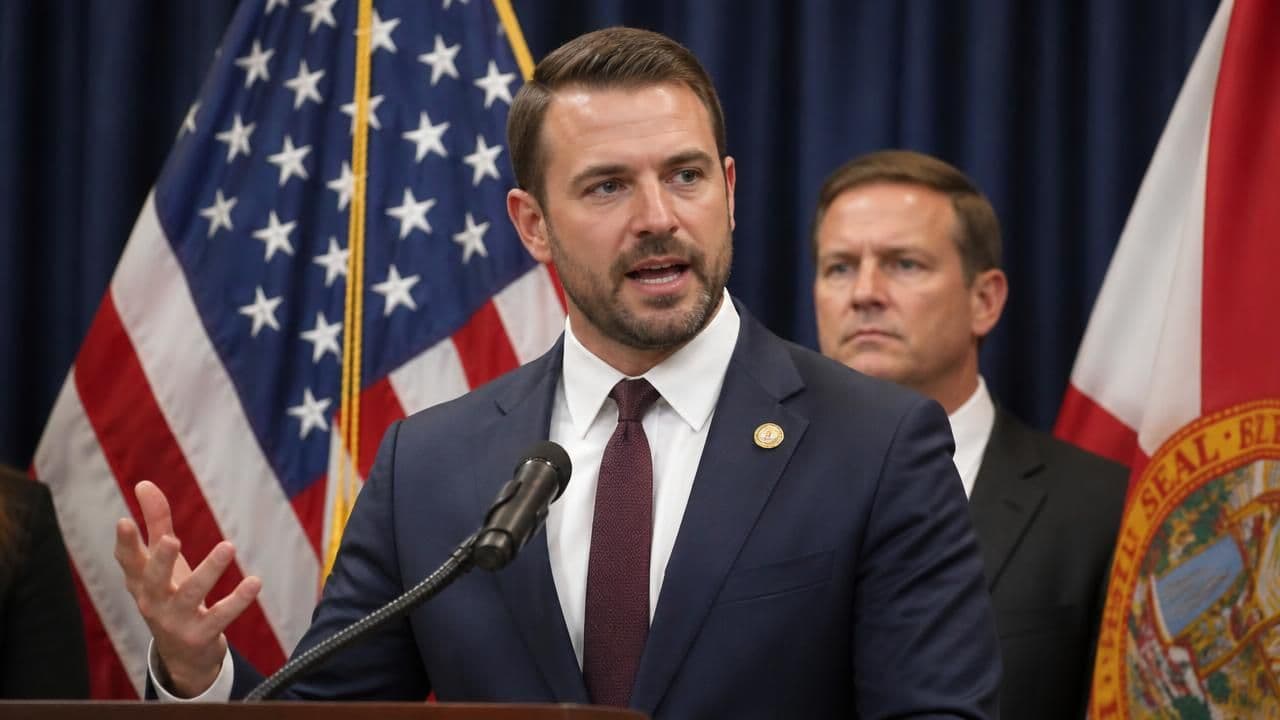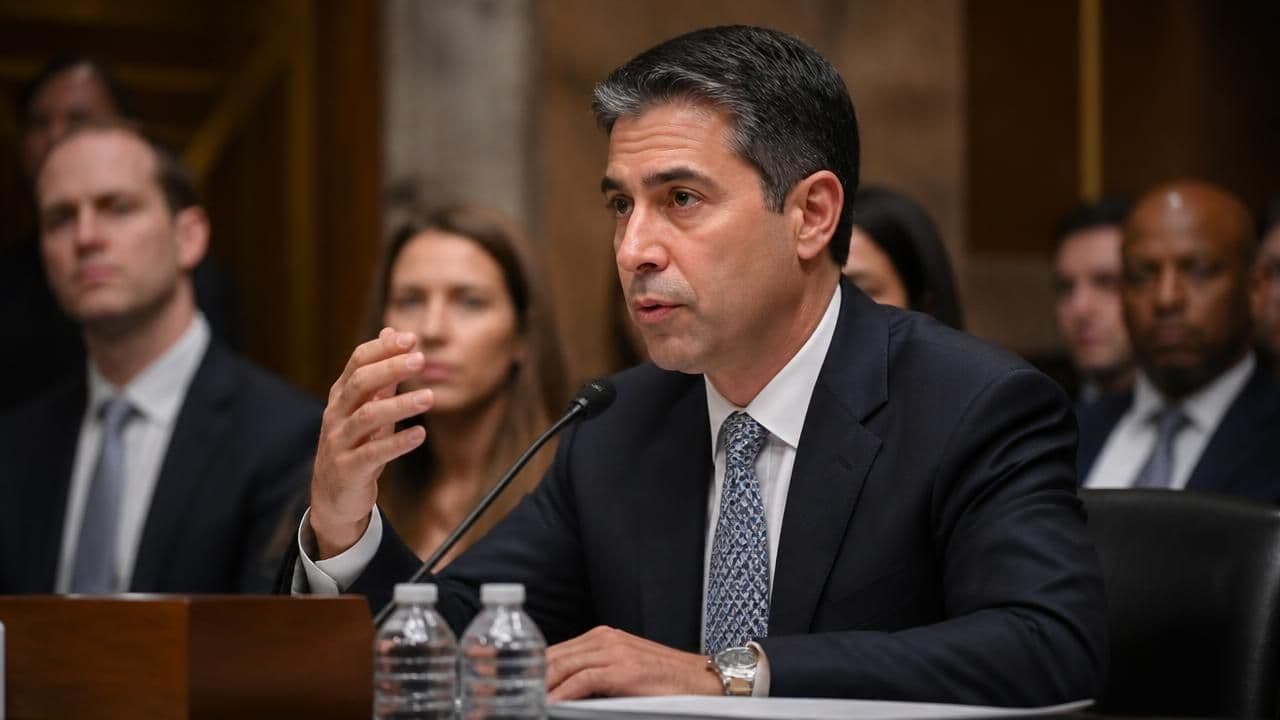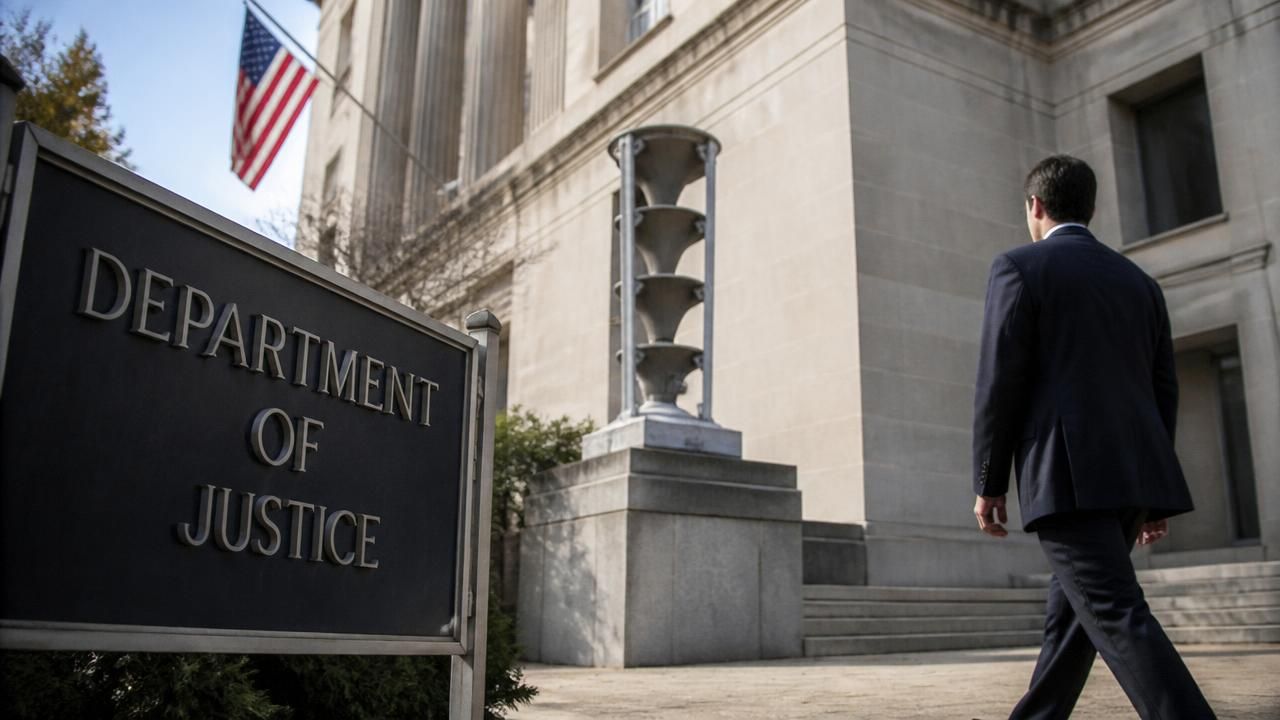
The Trump administration is waging a sweeping and unprecedented legal war on multiple fronts. On one side, the Justice Department is dropping cases against corporations and the wealthy, sparing them billions in penalties. On the other, it is aggressively pursuing small-scale fraud, denaturalization of citizens, and criminal charges against political opponents. This dual-track approach has sparked alarm among legal experts, civil rights advocates, and even some former prosecutors, who see it as a fundamental reshaping of the Justice Department's mission.
Recent reporting from The New York Times, The Guardian, Reuters, and other outlets reveals a pattern: the administration is using the full power of the federal government to target perceived enemies while shielding allies and business interests. The result is a justice system that appears increasingly politicized, with long-term implications for the rule of law.
A Crackdown on Citizenship and Small-Time Fraud
One of the most significant, and little-noticed, moves has been the administration's ramped-up effort to strip citizenship from naturalized Americans. According to CNN and CBS News, the Justice Department has launched the largest-ever effort to denaturalize citizens accused of fraud or other crimes, with a target of 250 cases by October. The administration is leveraging what The Guardian calls a “moral character” loophole, arguing that even minor misstatements during the naturalization process can be grounds for revocation. A little-known federal software system, reported by The Intercept, can automatically flag potential cases, making the process even more efficient.
At the same time, the administration has announced a crackdown on “birth tourism,” a practice where pregnant women travel to the U.S. to give birth and gain citizenship for their children. The attorney general’s plan, reported by The Guardian, follows a Supreme Court ruling that appears to greenlight such enforcement.
These efforts stand in stark contrast to the administration’s treatment of corporate wrongdoers. The New York Times reported in 2018 that the administration was sparing corporate wrongdoers billions in penalties, and a more recent investigation found that the Justice Department is now targeting smaller cases, such as that of a weathered food truck operator in California, while dropping charges against major corporations. As one former prosecutor put it, “They are going after the fish in a barrel while letting the sharks swim free.”
Political Retribution: Comey, James, and Others
The most visible manifestation of this agenda is the administration’s campaign against its political enemies. James Comey, the former FBI director, has been indicted on charges related to mortgage misstatements—a step that Reuters notes is exceedingly rare for such minor allegations. Letitia James, the New York Attorney General, has also been charged with bank fraud, though a grand jury declined to indict her. The Justice Department has vowed to appeal, according to The New York Times.
These cases have drawn widespread criticism. The BBC describes Comey’s indictment as an escalation of Trump’s promise of political retribution. The New York Times notes that James is among several prominent Black women targeted by the president. Bruce Ohr, a former Justice Department official who fought Russian organized crime, has also been targeted. And Trump has called for Democratic rival Adam Schiff to be “brought to justice” for alleged fraud, as Reuters reported.
“This is not about justice; it’s about revenge,” a former federal prosecutor told The Guardian. “The Justice Department is being used as a cudgel against the president’s enemies.”
The administration’s tactics extend beyond individual prosecutions. An FBI raid in Georgia, which The Guardian says has little legal basis, appears designed to undermine trust in election results. And the administration has pushed for broader election power, raising fears that it will “subvert” the midterms, as The New York Times reported.
Weakening Oversight and Watchdogs
A separate but equally troubling trend is the administration’s efforts to undermine inspector general capacity. A report from the Partnership for Public Service documents unprecedented attempts to weaken these internal watchdogs, who are responsible for auditing and investigating government agencies. This, combined with the targeting of federal employees like Bruce Ohr, sends a chilling message throughout the civil service.
Governor Gavin Newsom of California has amplified these concerns with his “Trump Criminals” tracker, which includes a new list of Trump’s pardoned fraudster friends. The tracker, reported by the Governor’s office, highlights the administration’s selective application of justice.
Pushback from Courts and the Public
Despite the administration’s efforts, there have been notable legal setbacks. A federal judge has blocked the administration from freezing billions in social services funds. The Supreme Court’s divided ruling eliminated a half-billion-dollar fine in a fraud case against Trump, but the decision was narrowly crafted. And grand juries have declined to indict both James and Comey, at least initially.
Politico’s analysis argues that while Trump is weaponizing the government against his enemies, it doesn’t mean he’ll succeed. But the very attempt to do so may cause lasting damage to public trust. As the Prison Policy Initiative’s tracking shows, the administration is also making the criminal legal system worse in ways that disproportionately affect marginalized communities.
A Tale of Two Justice Systems
The pattern is clear: the Justice Department is aggressively pursuing cases that align with the president’s political interests, while giving a pass to powerful and wealthy allies. This was starkly illustrated in 2018, when The New York Times reported on the administration sparing corporate wrongdoers billions in penalties, and it continues today with the focus on a food truck operator and denaturalization cases.
At the same time, the administration is targeting small towns, like those in Connecticut, for budget cuts based on what it claims are “wasteful projects,” while freezing social services funds that millions of Americans rely on. The cumulative effect, as the Partnership for Public Service warns, is a weakened system of checks and balances.
Legal experts note that the administration’s tactics may ultimately fail in court, but the damage to democratic norms may be lasting. As The Guardian’s reporting on Minnesota’s ICE crackdown shows, these policies are creating fear and division across the country.
In the end, the story is not just about one president or one Justice Department. It is about the erosion of the rule of law and the rise of a system where justice is meted out based on political loyalty. Whether through denaturalization, retaliation, or the dismantling of oversight, the message is clear: no one is beyond the reach of a politicized Justice Department—except, it seems, the president’s friends.