The assassination of Charlie Kirk, the charismatic founder of Turning Point USA, has become a defining moment in America’s fractious political landscape. On a crisp afternoon at a Utah campus, the conservative firebrand was shot in the throat, collapsing in front of horrified students and supporters. Within hours, the country was engulfed in a storm of speculation, grief, and finger-pointing. Now, as the suspect, Tyler Robinson, fights to avoid the death penalty, the case is forcing a reckoning with the escalating rhetoric and violence that increasingly characterize American public life.
The Shooting and Its Aftermath
Kirk, 39, was at the height of his influence as a Trump loyalist and youth-focused provocateur. He had just finished a heated debate on religion, according to witnesses, when a gunman opened fire. The bullet struck him in the throat, and despite frantic efforts by medics, he was pronounced dead at a local hospital. The attack was captured on cellphone video, showing the chaos and terror that unfolded. Witnesses described “a lot of blood” and the desperate screams of the crowd. A video taken just after the shooting also appeared to show someone on a nearby rooftop, fueling initial confusion about whether there were multiple attackers.
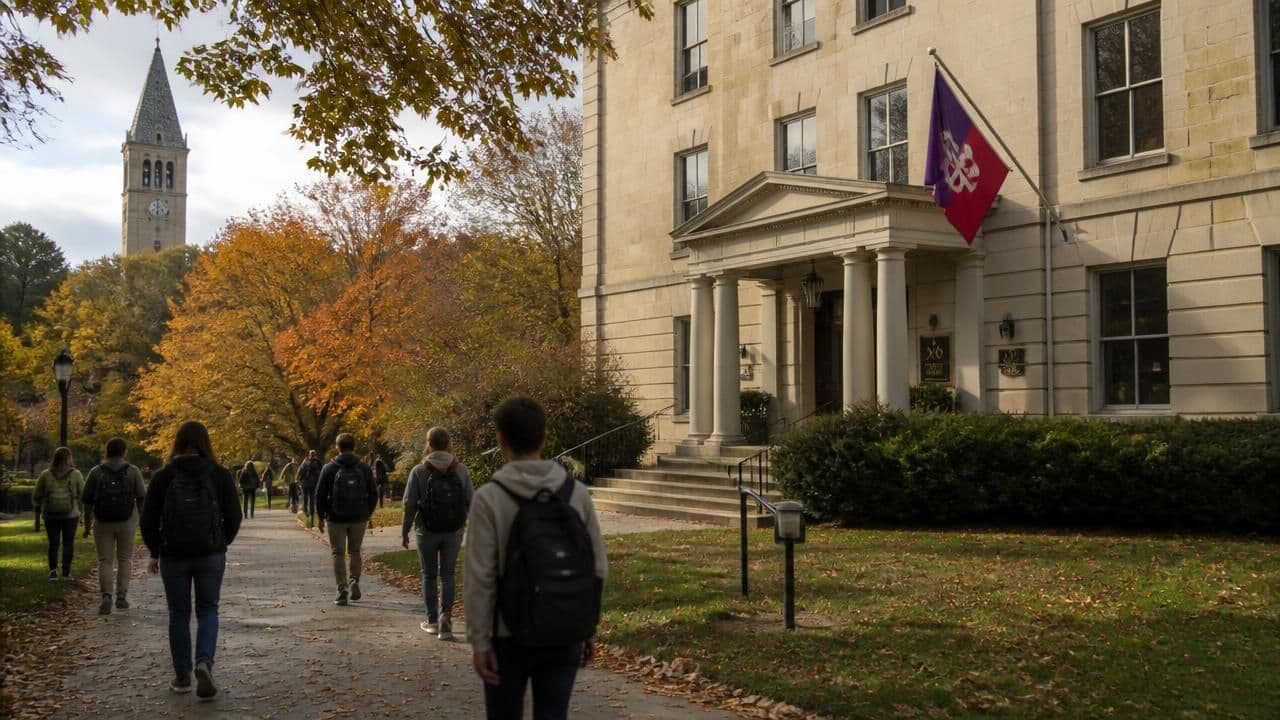
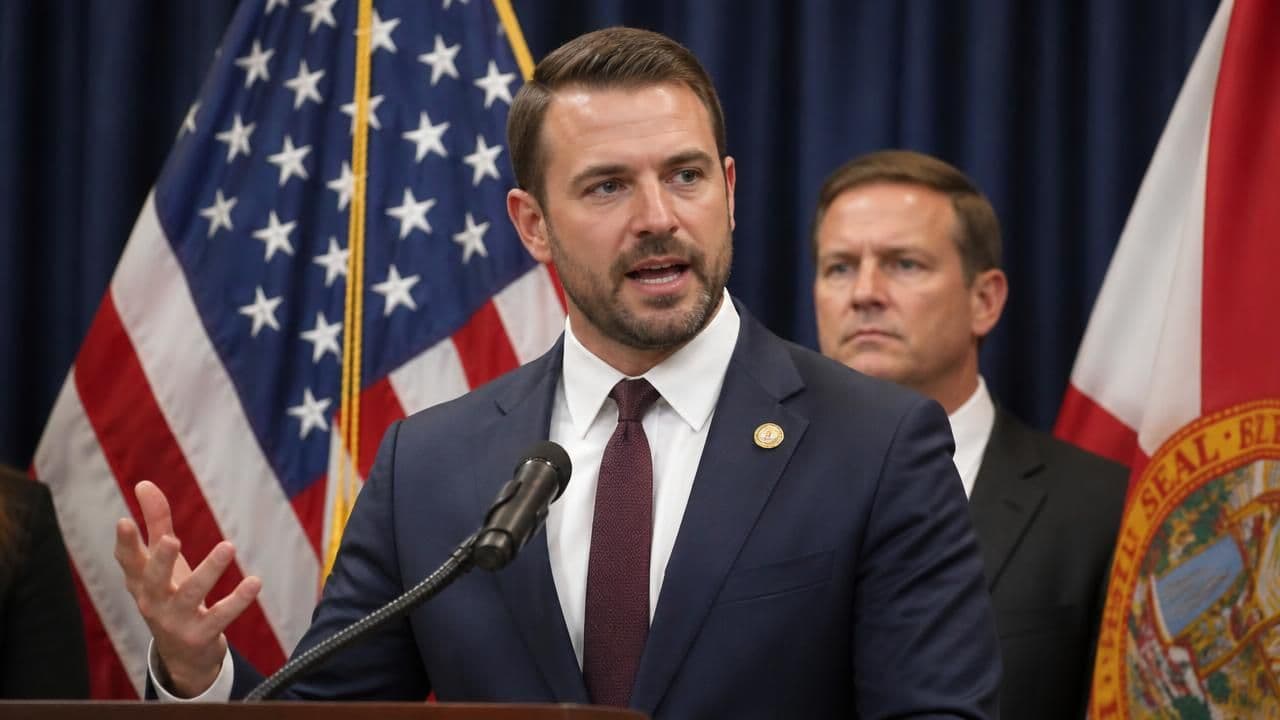
Police quickly identified 24-year-old Tyler Robinson, a former scholarship student at a prestigious university, as the sole suspect. Robinson was arrested after a brief manhunt, with authorities crediting a note, a gun, and a mother’s conscience for leading to his capture. His mother reportedly recognized her son in surveillance images and alerted law enforcement. Officials later revealed that Robinson had texted messages expressing “leftist ideology” and hatred for Kirk’s political influence, though the precise motive remains murky. Utah Governor Spencer Cox, who had recently championed a campaign to “disagree better,” said Robinson “held far-left views” and acted alone.
The Legal Battle Over Capital Punishment
Prosecutors have charged Robinson with first-degree murder and are seeking the death penalty, arguing that the attack endangered many people beyond Kirk. In a motion filed this week, however, Robinson’s defense attorneys pushed back, insisting that “the bullets traveled above the crowd” and that the gunman struck only his target. “No others were in danger,” they wrote, framing the shooting as a singular act of political violence rather than a mass-casualty plot. The legal fight has drawn national attention, with USA Today reporting that Utah’s pursuit of execution is “no slam dunk” given the state’s practical difficulties in carrying out the penalty.
In court, Robinson has declined to testify during the examination of evidence, and his lawyers have sought to suppress certain statements. Meanwhile, a deeply troubling subplot has emerged: a man falsely confessed to the shooting in an attempt to help Robinson escape, police say. That person has been detained, and investigators are probing whether a broader network aided the suspect. The case has also raised questions about FBI Director Kash Patel’s handling of the investigation, with critics accusing him of backtracking on promises of a fast capture and allowing political interference.
Political Reactions and Conspiracy Theories
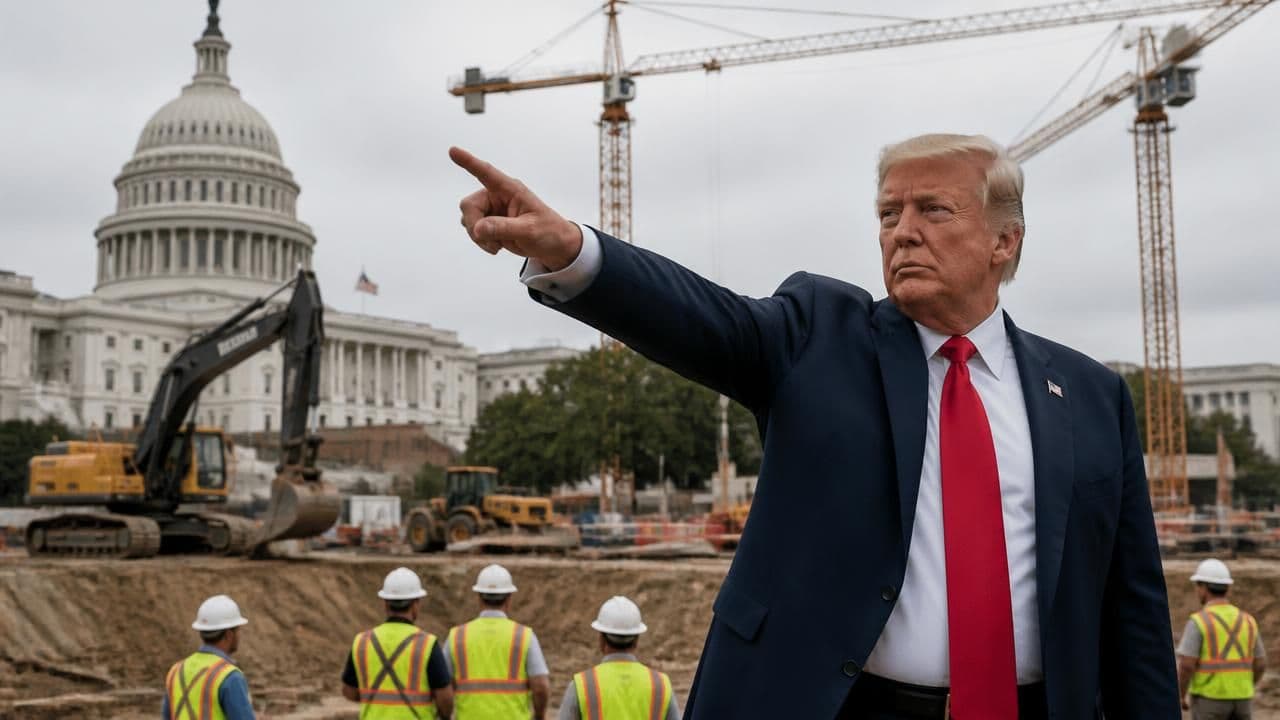
The assassination has ignited a firestorm of political reaction, often in starkly divergent directions. President Trump, who spoke at Kirk’s memorial in Phoenix, used the occasion to escalate attacks on his opponents, declaring, “I hate my opponent,” and suggesting that TV networks “against” him should “maybe” lose their licenses—a remark that drew comparisons to authoritarian tactics. Former President Barack Obama responded by calling the moment a “political crisis,” while Kirk’s widow, Erika, vowed to continue his mission, even as a haunting photo of her fighting back tears circulated online.
Yet, even as leaders weighed in, conspiracy theories ran rampant. Some on the right immediately blamed left-wing activists without evidence; others on the left insinuated that the shooting was a false-flag operation. The New York Times, which has provided extensive coverage, noted that “finger-pointing began before the evidence was in” and that “wild speculation abounds.” The absence of definitive details allowed misinformation to flourish, including false claims about the shooter’s identity and motives. A particularly bizarre twist involved engravings on bullet casings with cryptic symbols, which amateur sleuths interpreted as everything from occult references to coded political messages.
Broader Implications for a Polarized Nation
Kirk’s assassination has become a lens through which Americans are examining their own political pathologies. Scholars and historians point to a worrying surge in politically motivated violence, even as they caution that today’s era is not necessarily more dangerous than the 1960s or 1970s. “The data shows spikes, but also resilience,” one expert told the Times. What is different, however, is the 24/7 amplification of outrage on social media, where Kirk’s death has been both mourned and weaponized.
For Kirk’s movement, his martyrdom has already had tangible effects. His organization, Turning Point USA, has seen an influx of young recruits, and his ideas—particularly his emphasis on masculinity and faith—are gaining a broader audience. In Europe, right-wing leaders have claimed him as one of their own, using his memory to stoke nationalist sentiment. At home, the White House has announced plans to crack down on liberal groups, citing the shooting as justification, a move that critics warn could curtail civil liberties.
Framing the Story: Media Coverage and Public Perception
The media’s handling of the tragedy has been as contested as the event itself. The New York Times has published a series of investigative pieces, including a reconstruction of the suspect’s path and an examination of how official access to FBI files drew pushback. USA Today has focused on the legal system’s challenges, noting that seeking the death penalty could prolong the case for years. The BBC, covering the fallout abroad, highlighted Trump’s attacks on the press in the wake of the assassination, a reminder of how the case is being used to justify restrictions on media freedom.
Some outlets have also explored the human angle: the students at the Utah campus where Kirk died, the supporters who saw him as a martyr, and the young men who credited him with giving them confidence. Others have delved into the darker corners—questioning whether posting about Kirk on social media could be used as a loyalty test or a warning sign. The result is a fragmented narrative, where the facts of the case risk being drowned out by the noise of a polarized nation.
“We are in a political crisis,” said former President Obama, echoing the sentiment of many who see Kirk’s death as a symptom of a deeper malaise.
As Tyler Robinson awaits trial, the United States is left to grapple with uncomfortable questions: Can a democracy survive when political opponents are seen as enemies? How do we balance justice with revenge? And what will be the lasting legacy of a man who spent his life inflaming those divisions—and died because of them? The answers remain uncertain, but the urgency has never been greater.