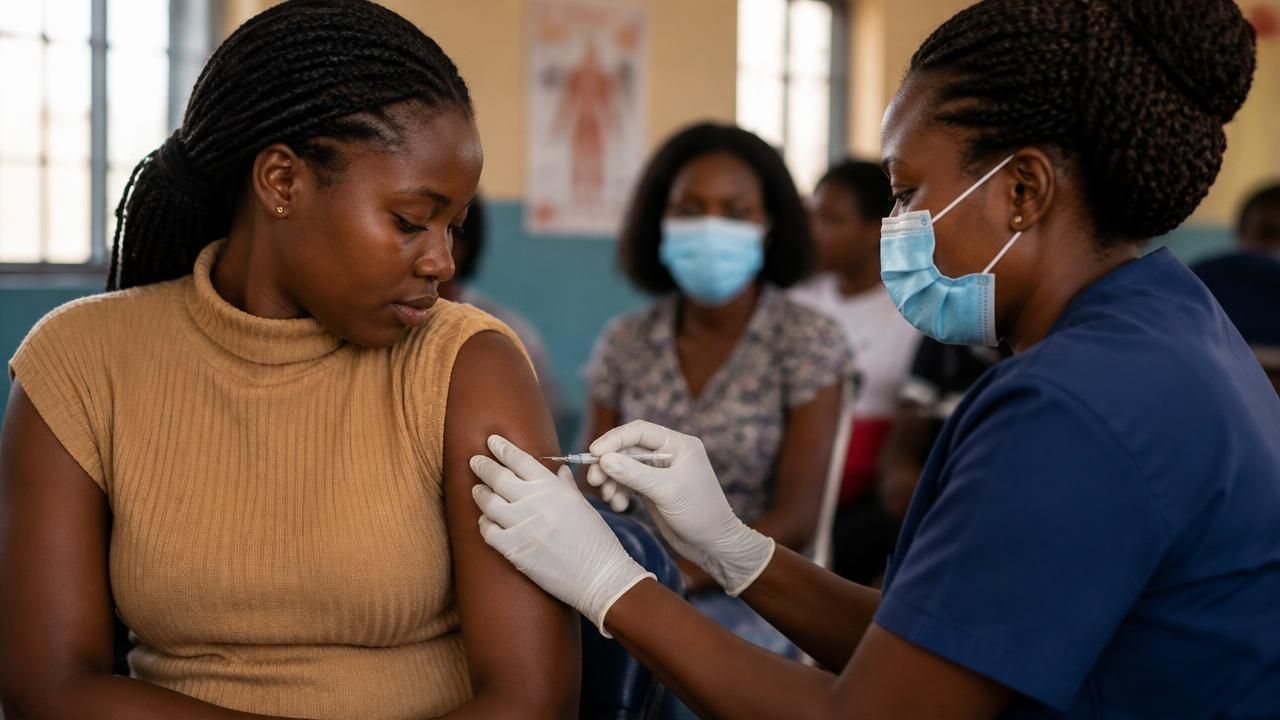
In a landmark moment for global health, the twice-yearly injectable drug lenacapavir — hailed as Science's 2024 Breakthrough of the Year — is beginning to roll out across Africa, the continent hardest hit by HIV. South African President Cyril Ramaphosa officially launched the groundbreaking prevention injection on [date], calling it a turning point in the fight against HIV/AIDS. But as the drug reaches clinics in Zambia and South Africa, public health experts are raising concerns about whether it will truly reach those who need it most.
A Game-Changer in HIV Prevention
Lenacapavir, developed by Gilead Sciences, is a capsid inhibitor that blocks the HIV virus's protein shell, making it highly effective at preventing infection. In clinical trials, it showed near-100% efficacy when administered as a subcutaneous injection every six months. This represents a monumental leap over daily oral pre-exposure prophylaxis (PrEP), which requires strict adherence and can be stigmatizing or impractical for many at-risk individuals.
Science magazine named lenacapavir its 2024 Breakthrough of the Year, describing it as "opening the door to a new era of HIV prevention." The recognition underscores a shift from daily pills to long-acting injectable options that could dramatically reduce new infections, particularly among young women and marginalized communities in sub-Saharan Africa.
Rollout Begins in Africa
The first shipments of lenacapavir have arrived in Zambia and South Africa, two countries with among the highest HIV burdens in the world. South Africa alone accounts for nearly one in five new global HIV infections, with approximately 7.8 million people living with the virus. President Ramaphosa's launch event, reported by multiple outlets including MSN and Central News, framed the rollout as a vital step toward ending AIDS as a public health threat by 2030.
"This is a turning point in our fight against HIV," Ramaphosa said. "Lenacapavir offers new hope to millions of South Africans, especially young women and girls who bear the brunt of new infections."
In Zambia, the drug is being distributed through public health facilities, with initial doses targeted at priority populations including adolescent girls, young women, and key affected groups. The Zambian Ministry of Health has partnered with international organizations to ensure cold-chain storage and trained healthcare workers are in place.
Mixed Reviews on Distribution
Despite the optimism, NPR and other outlets report that the rollout is receiving "mixed reviews." While the drug's efficacy is unquestioned, logistical hurdles, high costs, and health system bottlenecks threaten to undermine its impact. Dr. Nomonde Ngcobo, an infectious disease specialist in Johannesburg, told NPR: "We have the tool, but we don't have the delivery system in many rural areas. This drug demands that patients come to a clinic twice a year, but for some that journey is impossible."
Key challenges include:
- Cost: At an estimated $40,000 per patient per year in high-income countries, lenacapavir remains prohibitively expensive for many low-resource settings. Gilead has signed voluntary licensing agreements for generic versions in developing countries, but production capacity and pricing tiers are still being worked out.
- Health infrastructure: The injection must be administered by trained healthcare providers, requiring clinic visits, cold storage, and supply chain management that overwhelmed clinics may struggle to maintain.
- Community awareness: Demand generation and education are essential. Many communities remain unaware of the new prevention option, and stigma around HIV prevention persists.
Equity Concerns in Zambia
The New York Times reported in detail on Zambia, asking whether the drug will reach those who need it. The country has a high HIV prevalence, particularly among young women aged 15–24, where rates are over three times higher than in men of the same age. However, the initial rollout is concentrated in urban centers like Lusaka, leaving rural populations at risk of being left behind.
"We have learned from the daily PrEP rollout that equity does not happen by accident," said Dr. Chisela Mwila, a public health researcher in Lusaka. "Without deliberate investment in community-based distribution and mobile clinics, this breakthrough will only benefit those who are already easiest to reach."
Expert Perspectives and Implications
Public health officials and activists see lenacapavir as a powerful complement to existing HIV prevention tools, not a replacement. The drug's twice-yearly dosing could be particularly advantageous for women in stable relationships, sex workers, and injecting drug users who face challenges with daily pills. In South Africa, the launch is part of broader HIV prevention efforts, including free condoms, voluntary medical male circumcision, and oral PrEP.
Science's recognition of lenacapavir as Breakthrough of the Year highlights the potential for long-acting antivirals to transform epidemic control. But as News24 columnist Mpumi Zikalala argued, "Lenacapavir offers SA a real shot at ending HIV — if we seize it." Seizing it, she writes, requires political will, sustained funding, and community engagement.
What's Next?
Gilead has committed to increasing generic production and working with global health agencies to expand access. The Global Fund to Fight AIDS, Tuberculosis and Malaria and PEPFAR (The U.S. President's Emergency Plan for AIDS Relief) have indicated interest in supporting broader rollout. In the coming months, more African countries are expected to receive shipments, pending regulatory approvals and financing.
As the rollout continues, the world will be watching to see whether this scientific breakthrough can withstand the real-world test of reaching the most vulnerable. The promise is enormous; the challenges are significant. What is certain is that lenacapavir has changed the conversation around HIV prevention — offering a tangible path toward ending AIDS as a public health threat.