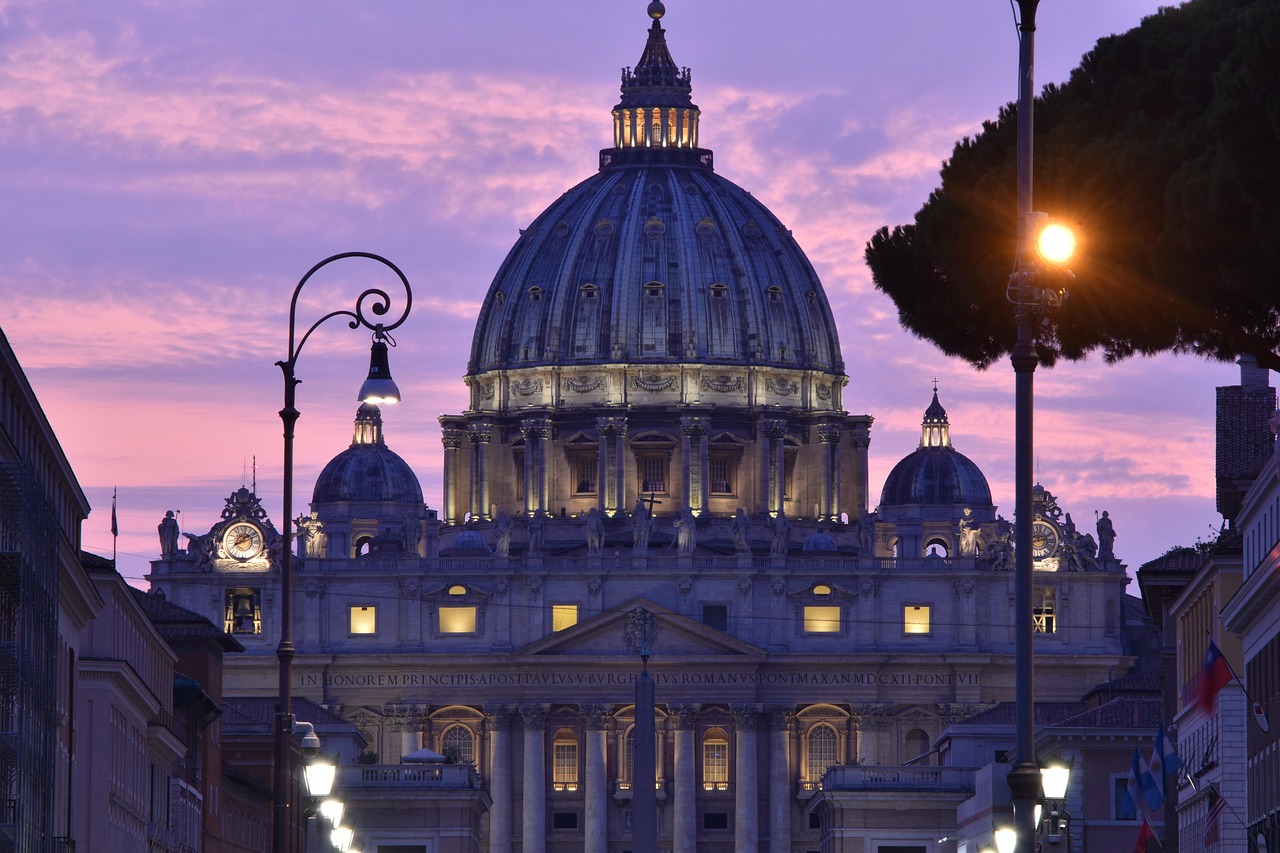
The Vatican has taken the dramatic step of declaring the traditionalist Society of St. Pius X (SSPX) to be in a state of schism, excommunicating its bishops and priests, and invalidating all sacraments performed by the group. The announcement, made Thursday, marks a significant escalation in the long-running conflict between the Holy See and the Lefebvrian movement, which has rejected many reforms of the Second Vatican Council.
What Happened?
The Vatican's Congregation for the Doctrine of the Faith issued a decree stating that the SSPX had incurred automatic excommunication by consecrating bishops without the pope's mandate. The decree also declared that all sacraments administered by the society are invalid, including marriages and confessions. The move effectively severs the group from the Catholic Church, barring its members from receiving communion or participating in other rites within the mainstream Church.
"The Society of St. Pius X is in a state of schism," the Vatican statement read, according to multiple sources. "Its bishops and priests have incurred automatic excommunication."
Background and Context
The SSPX was founded in 1970 by Archbishop Marcel Lefebvre, a French traditionalist who opposed the liturgical and doctrinal reforms of the Second Vatican Council (1962–1965). The society grew rapidly, attracting Catholics who favored the Latin Mass and traditional teachings. In 1988, Lefebvre consecrated four bishops without papal approval, leading to an earlier excommunication. Pope Benedict XVI lifted those excommunications in 2009 in an effort to heal the rift, but doctrinal talks stalled. The current pope, Francis, has taken a harder line, seeking to rein in the group's activities.
Sources note that the Vatican's latest action stems from the SSPX's continued ordination of priests and bishops without permission, as well as its rejection of Vatican II's teachings on religious liberty, ecumenism, and interfaith dialogue. The decree also invalidates the society's sacraments, meaning that marriages performed by SSPX priests are not recognized by the Church, and confessions are not considered valid absolution.
Differing Perspectives
News outlets have framed the story in various ways. NPR emphasized the excommunication and schism declaration, focusing on the Vatican's authority. Reuters highlighted the rebel nature of the group, calling it a "rebel Catholic group." Other sources, such as KARE11 and the Telegraph Herald, added that the Vatican warned the faithful to avoid the society's sacraments. Audacy.com noted that the site is not available in the EU, reflecting regional access issues. The KDH News source provided technical details but limited content due to access restrictions.
Vatican's Position
The Vatican views the SSPX as disobedient and schismatic, undermining papal authority. By consecrating bishops without approval, the society has broken communion with Rome. The invalidation of sacraments is a pastoral measure to protect the faithful from invalid rites.
SSPX's Response
The SSPX has not yet issued an official response to the latest decree, but historically, the society has argued that it remains Catholic and that the Vatican has itself departed from tradition. Supporters claim the group is preserving the true faith amidst what they see as a post-conciliar crisis.
Implications for the Faithful
Catholics who attend SSPX chapels now face a difficult choice. According to the Vatican, they cannot receive valid sacraments from SSPX priests. The decree warns the faithful to "refrain from attending their liturgies and to seek sacraments from legitimate ministers." This could lead to a decline in attendance at SSPX centers, which number hundreds worldwide.
Canon lawyers note that the excommunication is automatic (latae sententiae) for those who commit the act of schism. However, laypeople who simply attend SSPX Masses may not be excommunicated, but they are urged to return to full communion.
Historical Precedents
The SSPX is not the first traditionalist group to face such sanctions. The Society of St. John, for example, was suppressed in the 1980s. But the SSPX remains the largest and most organized, with its own seminaries and religious orders. The Vatican's action may set a precedent for dealing with other dissident groups, such as the sedevacantists who claim the papacy is vacant.
Expert Views
Dr. John Allen Jr., a Vatican analyst, commented: "This is a major step. Pope Francis has shown he is willing to enforce discipline even if it means alienating traditionalists. The question is whether this will bring the SSPX back to the table or push them further away."
Others, like canon lawyer Edward Peters, note that the invalidation of sacraments is particularly severe: "It means that marriages performed by SSPX priests are null and void. Couples in such unions are not sacramentally married in the eyes of the Church."
What's Next?
The Vatican has left the door open for reconciliation if the SSPX accepts the Second Vatican Council and submits to papal authority. However, given the group's history, a quick resolution seems unlikely. The schism may deepen, with the SSPX potentially ordaining more bishops to ensure its survival.
For now, the Catholic world watches as one of the most significant ruptures in modern Church history unfolds. The faithful are urged to pray for unity, while the hierarchy enforces the boundaries of communion.